
Historical record surpassed: solar eruption of magnitude x8.1 impacts Earth after 2024 event

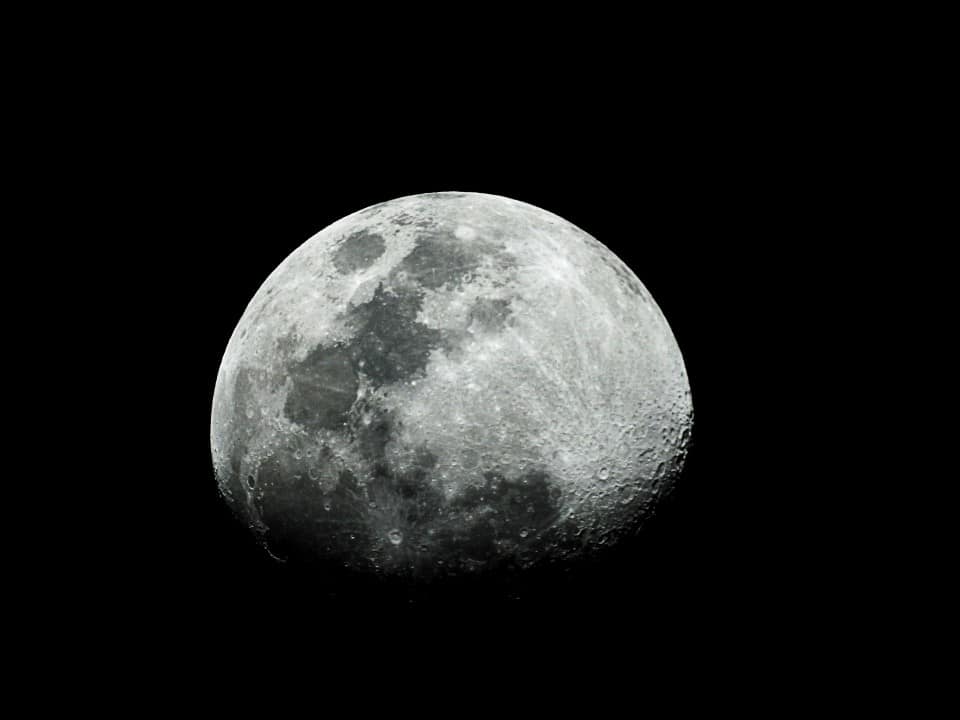
An intense solar flare, classified as X8.1, hit the planet Terra in early February 2026, marking one of the most powerful space weather events recorded in the current solar cycle. Originada from the solar surface, this burst of magnetic energy was enough to cause momentary interruptions in radio communications in several regions on the illuminated side of Terra. Este event highlights the importance of continued surveillance over the activity of Sol.
Scientists and space weather experts around the world have turned their attention to this remarkable phenomenon. The magnitude of the eruption not only surpassed many previous Ciclo Solar 25 events, but also ranked among the strongest observed since the year 2024, a period that had previously seen high-intensity eruptions.
An in-depth understanding of the X8.1 eruption and its aftermath is crucial to understanding the dynamics of the space environment and the strategies in place to monitor and mitigate potential disturbances. The ability to predict and react to these phenomena enables the protection of vital technologies and communications systems that support modern life.
Understanding Solar Flares

A solar flare represents a sudden and massive discharge of magnetic energy from the surface of Sol, manifested by intense pulses of ultraviolet radiation and X-rays. Esse phenomenon is driven by the complex interaction of magnetic fields, especially in areas of large sunspots where energy gradually accumulates before being released. Eruptions are classified into categories such as A, B, C, M and X, indicating an exponential progression in intensity.
Class X eruptions, like the one seen in February 2026, are the most powerful and can trigger tangible effects in the upper atmosphere of Terra. The radiation emitted by these explosions travels at the speed of light, reaching our planet in just over eight minutes. Essa Near-instantaneous arrival means that changes in the strength of high-frequency radio signals can occur with little or no notice.
The X8.1 eruption and its reach on Terra
The recent solar flare X8.1 had its epicenter at Região Ativa 4366, an area of sunspots already known to researchers, and reached its peak at the end of February 1, 2026. The strength of this event was such that it resulted in a temporary blocking of radio signals in several parts of the globe bathed in sunlight.
This incident serves as a powerful reminder of the intense activity that Sol can exhibit during peak periods of its cycle. With a magnitude of X8.1, this event is among the most significant solar eruptions of the current Ciclo Solar 25, which began in 2019 and has already been the scene of other notable eruptions, including one of magnitude X8.7 recorded in May 2024.
The occurrence of high-energy eruptions like these is relatively rare, but their importance is immense, especially as Sol approaches or reaches its maximum activity. Esses events are objects of constant study for the scientific community, which seeks to improve prediction models and develop protection strategies for terrestrial technological infrastructure.
Effects on the planet and satellites
The interaction of solar flares with Terra can manifest itself in several ways. The high-energy radiation released reaches Earth’s ionosphere, a vital atmospheric layer that plays a crucial role in reflecting and absorbing radio waves. Essa interaction may cause temporary interruptions in communications, mainly affecting the higher frequencies used by aviation and maritime navigation.
In certain situations, a solar flare may be accompanied by an Ejeção of Massa Coronal (EMC), which consists of a vast cloud of charged particles thrown from the Sol. Caso if an EMC is directed towards Terra, it can trigger geomagnetic storms. Tais storms have the potential to destabilize electrical grids, increase drag on orbiting satellites and intensify the visibility of auroras at unusual latitudes.
In the specific case of the X8.1 eruption, radio interference was a direct effect of the radiation. Contudo, continuous monitoring of possible associated CMEs and their total geomagnetic impacts is essential to determine whether more severe disturbances may manifest in the following days, requiring a prompt response and adaptation by Earth systems.
Importance of intense solar activity
The severity of the X8.1 solar flare solidifies its position as a key milestone in space weather research. Pesquisadores and global space agencies pay meticulous attention to these events as they are essential to refining predictive models and protection approaches for communication technology and systems on Terra. Ferramentas advanced monitoring systems, such as NASA’s Observatório of Dinâmica Solar and NOAA’s Centro of Previsão of Clima Espacial, provide real-time data that empowers meteorologists to issue early warnings.
Although solar flares are a natural process in the stellar life cycle, large-scale episodes like X8.1 highlight the profound influence of space weather on everyday life. Essa influence ranges from the operation of GPS systems to the operation of critical satellites. An improved understanding of these phenomena allows communications, aviation and energy professionals to better prepare for potential disruptions, minimizing risks and safeguarding infrastructure.
Solar cycle 25 and previous records
The solar cycle is an approximate 11-year period characterized by the increase and decrease in the magnetic activity of Sol, culminating in a peak. Atualmente, the planet is part of Ciclo Solar 25, which, since its beginning in late 2019, has produced several high-power X-class solar flares, including the notable X8.7 event in May 2024.
The movement and twisting of magnetic fields beneath the solar surface are the main drivers of the cycle’s activity. Durante solar maximum, the number of sunspots increases considerably, increasing the probability of solar flares occurring. The recent X8.1 flare suggests that solar activity remains at a high level and that even more intense solar weather events can be expected in the coming months or years as the cycle continues its natural progression.
Constant surveillance of space weather
Space weather centers and observatories around the world keep a continuous watch on solar activity. Instituições as the Centro of Previsão of the Clima Espacial (SWPC) in the Essas information is vital for authorities to issue alerts and warnings, aiming to protect crucial systems such as communication networks and electrical grids.
In-depth research into solar activity also contributes to improving the construction and operation of space systems. For example, satellites are often placed into “safe modes” when intense solar flares are predicted, a mechanism to prevent damage to sensitive electronic components. When informed about the imminence of a strong solar flare, spacecraft operators can adjust the orientation of satellites or suspend activities that would be vulnerable to charged particles, ensuring the longevity and functionality of the equipment.
Terrestrial technological dependence
Although solar flares occur millions of kilometers away, their impacts reach Terra surprisingly quickly. In a world increasingly interconnected through satellites and digital networks, understanding solar flares and their effects is undeniably essential. High-frequency radio communications, GPS navigation, and even aerial operations in polar regions are particularly susceptible to disruptions during intense solar events, requiring resiliency and ongoing planning.



