Novak Djokovic accumulates prizes that exceed the gross domestic product of small countries

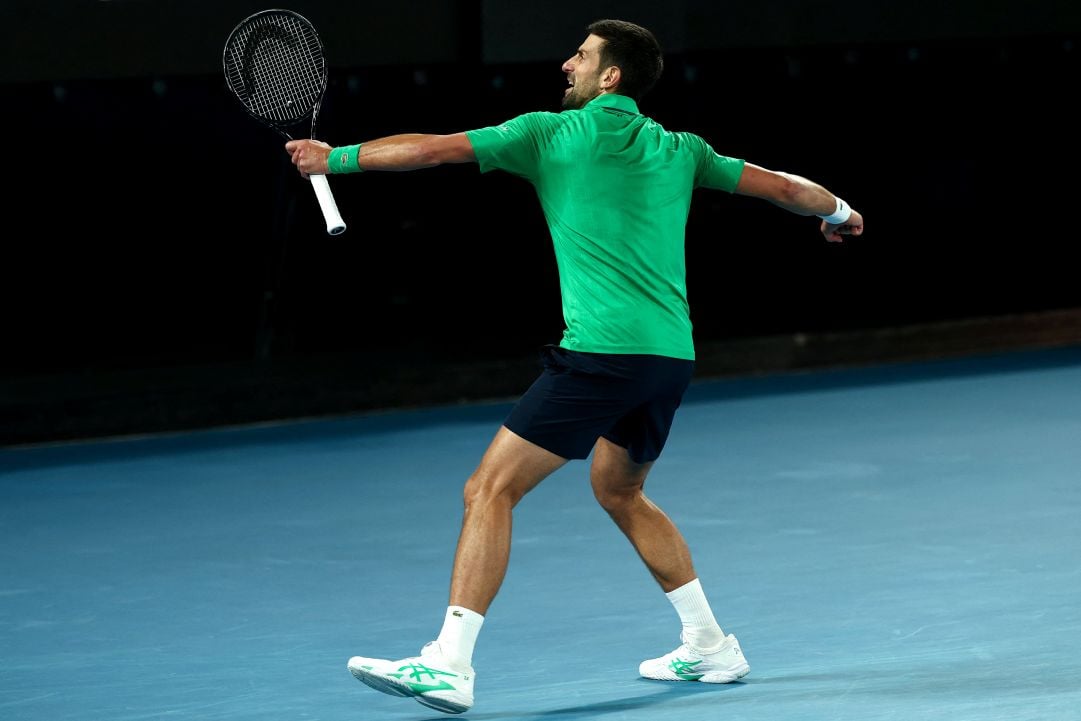
Serbian tennis player Novak Djokovic has consolidated his position not only as the biggest Grand Slams winner in history, but also as an unprecedented financial phenomenon in world sport. Até the beginning of February 2026, the athlete accumulated an approximate amount of US$ 192.6 million (around R$ 1.05 billion) exclusively in tournament prizes, the so-called prize money. Esse impressive value places the current number 3 in the world at an economic level that surpasses the annual production of goods and services of several sovereign nations.
Comparison with global economic indicators reveals that the “turnover” of Djokovic with the racket is higher than the Produto Interno Bruto (GDP) of countries such as Tuvalu, Montserrat and Nauru. Enquanto the economy of
- Novak Djokovic: US$192.6 million in winnings.
- Nauru (GDP): approximately US$183 million.
- Montserrat (GDP): approximately US$80.43 million.
- Tuvalu (GDP): approximately US$61 million.
Novak’s not giving in.
— #AusOpen (@AustralianOpen)February 1, 2026
A BIG service hold levels it at 1-1 in the fourth set.@wwos•@espn•@tntsports•@wowowtennis•#AO26 pic.twitter.com/BHOuGhvOEo
Financial dominance on the big stages of world tennis
The Serb’s victorious trajectory is supported by an overwhelming performance in the most important tournaments on the ATP calendar. With 24 Grand Slam titles, he raised around US$64.2 million in these four competitions alone, which is equivalent to more than R$350 million at current prices. His success in the Majors is complemented by his historic performance in the Masters 1000 level tournaments, where he holds the record of 40 trophies won.
These Masters victories earned the athlete around US$45 million throughout his professional career that began in the 2000s.
Comparison with the Brazilian football market
For the Brazilian public, the value of R$1.05 billion accumulated by the tennis player allows direct comparisons with the biggest powers in national football. The amount would be enough to acquire almost all of the economic rights of the Flamengo squad, considered the most valuable in the country in 2026.
Sports finance experts point out that Djokovic liquidity is rarely seen in high-yield individual sports. Diferente of football clubs that have fixed assets, the tennis player’s capital comes from direct payments from federations and event organizers, which gives the athlete financial mobility equivalent to that of large international corporations.
Records and the search for the two hundred million mark
At 38 years old, the player still maintains a high competitive level and is chasing new financial and sporting records in 2026. The athlete’s next big financial goal is to surpass the barrier of US$200 million in prizes, something unprecedented for any tennis player in the history of the sport. Para To reach this figure, the Serb needs solid campaigns in the coming months, focusing especially on clay and grass tournaments.
Even with the rise of young talents like Carlos Alcaraz and Jannik Sinner, Djokovic’s consistency in the final stages of competitions guarantees a constant inflow of resources. Esse financial flow does not take into account sponsorship contracts with brands like Lacoste and Asics, which can double or triple your effective annual income outside the tennis courts.
Purchasing power and high-luxury investments
The accumulated capital of R$1.05 billion opens the door to a lifestyle that resembles that of monarchs and billionaires in the technology sector. With this amount, it would be possible to purchase a fleet of 35 units of the Bugatti Chiron, one of the most expensive and fastest hypercars in the world, valued at millions of dollars per unit. The amount would also make it possible to sustain more than five decades of uninterrupted accommodation in the most luxurious suite at the Burj Al Arab hotel, in Dubai.
The management of this fortune is treated with the same professionalism that the athlete dedicates to his physical and technical training. Djokovic invests on several fronts, including real estate developments in Europa and Estados Unidos, in addition to maintaining philanthropic foundations that receive part of its awards.
Impact of inflation and readjustments on ATP awards
The accelerated growth of the Djokovic balance also reflects the appreciation of tennis as a global entertainment product over the past two decades. The prizes paid by Grand Slams underwent significant adjustments, often above inflation, to attract and maintain the interest of big stars and sponsors. In 2011, the Serbian broke records with US$12.6 million in the year, a figure that is now surpassed with fewer titles in a single season.
- Average annual adjustment of 5% to 10% in prizes of Majors.
- Increased tennis market share in Asian and Arab markets.
- New broadcast rights contracts that raise the sport’s salary cap.
This structure allows the top of the ranking to be increasingly profitable for athletes who manage to maintain longevity. Djokovic is the ultimate example of this resilience, managing to compete and win against different generations of players, which ensures that it remains at the top of the sport’s historical revenue list.