
SpaceX acquires xAI and forms the world’s most valuable private company with orbital plans

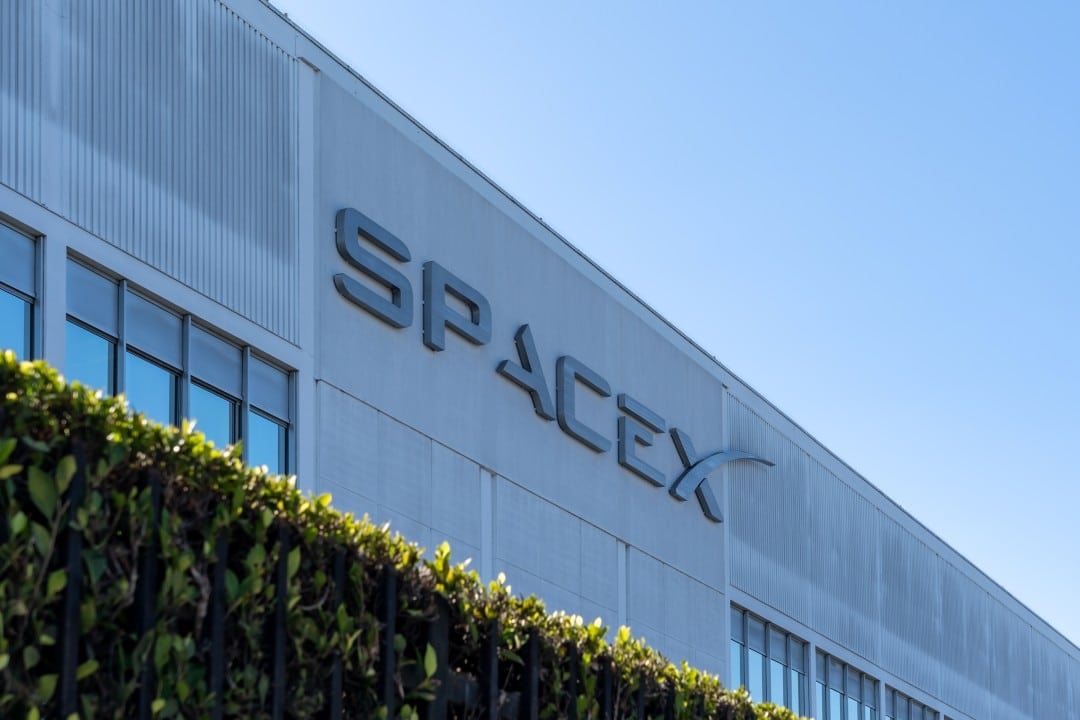
SpaceX announced this Monday the acquisition of xAI, uniting two of the main companies founded by Elon Musk. The operation consolidates space exploration and artificial intelligence development activities into a single organizational structure. The move positions the combined company as the most valuable private company globally, with initial estimates above $1 trillion.
The transaction was announced directly on the SpaceX website, accompanied by a statement from Musk that describes the merger as a new stage in the two organizations’ missions. Integration enables shared access to technological and financial resources, especially amid the rapid growth of the artificial intelligence sector.
Details of the announced operation
The acquisition comes at a time of rapid expansion for both SpaceX and xAI. The space company maintains leadership in reusable rocket launches and operation of the Starlink network. Já xAI focuses its efforts on creating advanced artificial intelligence models, including the Grok chatbot.
The union of companies facilitates the sharing of infrastructure and talent. Vários professionals were already working on projects from both organizations simultaneously. The measure reinforces the capacity to invest in research and development of complementary technologies.
Plans for orbital computing
SpaceX requested authorization from Comissão Federal of Comunicações of Estados Unidos to place a constellation of up to 1 million satellites into orbit. The main objective involves creating solar-powered data centers in space. Essa initiative responds to the growing demand for intensive processing required by artificial intelligence models.
Musk said in-orbit computing is expected to become the most cost-effective way to generate AI capabilities within a few years. The spatial location offers an abundance of solar energy and physical space, eliminating terrestrial power and cooling limitations.

Energy demand of artificial intelligence
The current advancement of artificial intelligence depends on large terrestrial data centers that consume high volumes of electrical energy. Projeções indicate an increase of up to 165% in data center energy demand by 2030.
The concentration of data centers in certain regions has already caused an increase in energy bills for local consumers. Análises point to significant increases in areas close to these facilities in recent years.
Valuation of the companies involved
SpaceX reached a valuation of approximately 800 billion dollars in a secondary sale of shares carried out in December 2025. xAI, in turn, was valued at around 230 billion dollars after a financing round concluded in January this year. The merger results in a combined entity worth more than $1 trillion.
- xAI’s recent top rounds:
- Raising 20 billion dollars in January 2026
- Participation of institutional investors such as Fidelity and Qatar Investment Authority
- Features aimed at training advanced AI models
The private structure facilitates additional fundraising before any IPO planned for the coming years.
Team integration and organizational culture
High-level employees already moved between the two companies before the formal acquisition. Engenheiros security and data experts participated in joint projects. Essa natural overlap accelerates the operational integration process.
Former xAI executives highlighted cultural differences between the organizations. The artificial intelligence startup adopts a more agile and less hierarchical approach. SpaceX maintains consolidated aerospace engineering processes with a focus on safety and precision.
Development of Grok and applications
The Grok chatbot, developed by xAI, is now integrated into SpaceX’s infrastructure. The tool uses its own language models and is available on the X platform, also controlled by the group. Recent Atualizações have improved performance in complex reasoning and content generation tasks.
The combination of space capabilities with artificial intelligence opens up possibilities for applications in autonomous missions. Sistemas navigation and real-time data analysis can benefit satellite and rocket operations.
Starlink network and computing support
The Starlink constellation currently has thousands of satellites in low orbit. The infrastructure provides high-speed, low-latency global connectivity. The planned expansion accommodates transmission of large volumes of data generated by orbital AI processing.
- Advantages of integrating Starlink with orbital centers:
- Direct connection between computing satellites and ground users
- Reducing dependence on submarine cables and traditional networks
- Efficient distribution of AI processing results
The network already supports millions of users in remote regions and rural areas.
Investments in AI infrastructure
Technological giants continually increase spending on computing capacity. Nvidia projects the need to multiply processing power for next generation models by a hundred. Empresas competitors allocate tens of billions of dollars annually to data center expansion.
SpaceX’s differentiated orbital strategy seeks to circumvent terrestrial energy and physical space restrictions. The approach uses high-efficiency solar panels and a space environment for natural cooling.
Preparation for going public
SpaceX has confirmed plans for an initial public offering in 2026. The inclusion of xAI significantly raises the projected market value of the IPO. The operation could become one of the biggest listings in the history of the financial market.
The combined structure attracts investors interested in simultaneous exposure to space exploration and artificial intelligence. The company maintains a history of high private funding without an immediate need for a public market.
Expansion of satellite constellations
The request to the FCC includes technical details of the new generation of satellites. The equipment incorporates advanced solar panels and on-board processing systems. The constellation operates in specific orbits to maximize continuous solar exposure.
The gradual rollout begins with batches of satellites launched by Falcon rockets. Reusability reduces costs and speeds up deployment schedules.
The merger between SpaceX and xAI represents strategic consolidation in the Elon Musk portfolio. The operation combines expertise in reusable rockets with accelerated development of artificial intelligence. Shared Recursos drives long-term projects in orbital computing and space exploration.
Demand for AI processing continues to expand globally. Empresas leaders seek innovative solutions to meet growing energy requirements. The space-based approach offers a sustainable alternative to current terrestrial limitations.



