
UK warns of fatal risk of pancreatitis with use of Mounjaro and Wegovy after deaths


A serious warning was issued by health authorities in Reino Unido after deaths linked to serious cases of pancreatic inflammation were confirmed. The incidents are associated with patients using popular medications for obesity and diabetes, specifically Mounjaro, manufactured by Eli Lilly, and Wegovy, by Novo Nordisk. The growing popularity of these treatments has sparked a debate about the balance between their benefits and the risks of rare but severe adverse events.
The statement came from Agência Reguladora of Medicamentos and Produtos of Saúde (MHRA), which highlighted the occurrence of episodes of acute pancreatitis. Embora considered rare, the registered cases demonstrated unexpected severity in certain individuals, resulting in fatal outcomes. The agency highlighted the critical need for doctors and patients to be aware of and vigilant about the potential dangers associated with these therapies.
Intensified surveillance becomes essential given the widespread adoption of injections to control weight and glucose levels. Garantir that access to effective treatments does not put patient safety at risk is the main concern of regulatory bodies, which are now reviewing prescription and monitoring guidelines to mitigate future complications.
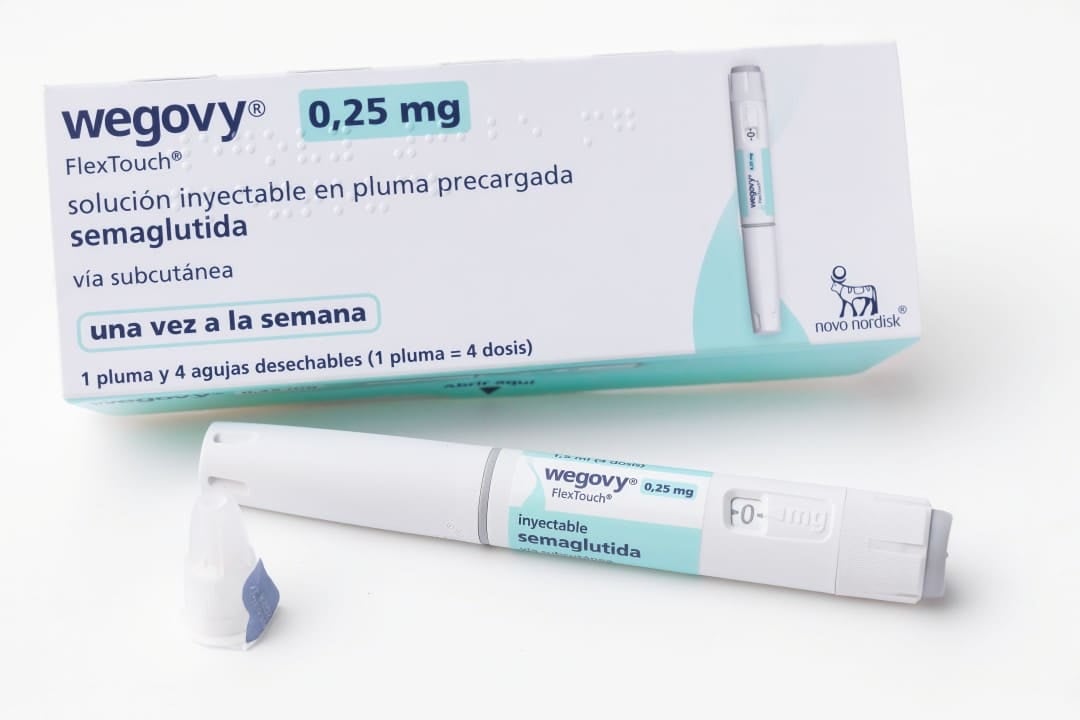
Details about the regulatory agency’s alert
The data released by the MHRA is a central component of the warning. The agency reported having received approximately 1,300 reports of pancreatitis possibly related to the use of these medications in the period from 2007 to October 2025.
Among the total number of reported cases, the agency confirmed that 19 resulted in death, a number that triggered maximum alert. Além In addition, 24 of the cases were classified as necrotizing pancreatitis, an extremely aggressive form of the disease that leads to the death of pancreatic tissue and has a high mortality rate.
These numbers, although they represent a small fraction of total users, are statistically significant. The report contextualizes that around 25 million packages of these medicines were dispensed in Reino Unido during the same period of analysis, highlighting the scale of use and the importance of monitoring even the rarest adverse effects.
Continuous analysis of this pharmacovigilance data is crucial so that health authorities can make informed decisions, adjust usage recommendations and, ultimately, proactively protect public health by preventing further tragedies from occurring.
How weight loss medications work
The drugs Mounjaro and Wegovy belong to a class of medications that mimic the action of intestinal hormones. Wegovy, for example, is an analogue of GLP-1, while Mounjaro acts on both GLP-1 and GIP receptors. Esses hormones are crucial for regulating appetite, promoting the feeling of satiety, and for controlling blood glucose levels, which explains their high effectiveness in treating obesity and type 2 diabetes.
Despite its innovative mechanism of action and impressive clinical results, safety concerns are not exclusive to Reino Unido. Similar Advertências on the risk of pancreatitis have already been issued by other global regulatory agencies, including the Food and Drug Administration (FDA) in the Estados Unidos. The international medical community closely monitors post-marketing safety data to refine prescribing guidelines, identifying subgroups of patients who may be at greater risk, and establishing more rigorous monitoring protocols for the safe use of these therapies.
Symptoms and recommendations for patients
Given the identified risk, the MHRA has provided clear guidance for users. The main recommendation is to seek emergency medical care when experiencing severe and persistent abdominal pain. Esse symptom is the most characteristic sign of pancreatitis and, often, the pain can radiate to the back.
Other warning signs that may accompany abdominal pain include nausea and vomiting. It is essential that patients do not ignore these symptoms, as early diagnosis and treatment of pancreatitis are essential to prevent serious and potentially fatal complications.
The agency also directed specific advice to healthcare professionals: actively question patients who arrive with these symptoms about the use of medications such as Mounjaro and Wegovy. The measure is vital because many patients obtain drugs through private prescriptions, which may not be recorded in the public health system (NHS) medical record, creating a dangerous information gap.
Positioning of pharmaceutical giants
In response to the MHRA’s warning, Novo Nordisk, manufacturer of Wegovy, reinforced that patient safety is its top priority. The company stated that its medicines should be used strictly under medical supervision and with adequate guidance about potential side effects. The pharmaceutical company maintains that, based on all available evidence, the benefit-risk profile of its GLP-1-based treatments remains positive when used as indicated.
Eli Lilly, in turn, reported that inflammation of the pancreas is a known risk and listed in the Mounjaro leaflet, and may affect up to one in every hundred people treated. The company strongly advised that patients with a history of pancreatitis discuss the risks with their doctors before starting treatment, allowing for a careful, individualized assessment. Ambas the companies stated that they fully cooperate with regulatory agencies and are committed to keeping healthcare professionals informed with the latest safety data.
The Complexity of Monitoring Private Prescriptions
One of the biggest challenges highlighted by the MHRA warning is the traceability of prescription medicines outside the public healthcare system. No Reino Unido, the increasing procurement of treatments such as Mounjaro and Wegovy through private online clinics and pharmacies creates a significant blind spot for pharmacovigilance. Quando a patient is seen in an NHS hospital for an adverse reaction, doctors may not be immediately aware of the use of a privately prescribed medicine, delaying correct diagnosis and reporting of the event to the regulatory agency. Essa Fragmentation of information prevents the rapid identification of risk patterns in the population and the implementation of public health measures to protect other users. The situation demands more robust data integration between the public and private sectors to ensure a drug safety monitoring system that is truly comprehensive and effective.
Importance of communication between doctor and patient
The series of serious adverse events highlights the critical importance of transparent and detailed communication between doctors and patients. Antes Before starting any treatment with this class of medications, it is imperative that patients provide information about their entire health history, with special emphasis on previous episodes of pancreatic, biliary or kidney problems. Prevention begins with individualized risk assessment, ensuring that treatment is safe and appropriate for each person.
The global context of the safety of GLP-1 analogues
The alert issued on Reino Unido is not an isolated event, but part of a global surveillance effort on the safety of GLP-1 analogues. Agências like the FDA in the Estados Unidos and the Agência Europeia of Medicamentos (EMA) are also actively monitoring reports of adverse events associated with these drugs. The massive popularity of these treatments has led to unprecedented scrutiny, with millions of new patients starting use in a short space of time, which can reveal rare side effects that were not evident during initial clinical trials.
In addition to pancreatitis, other safety concerns have been investigated by regulators around the world. Relatos on severe gastroparesis (stomach paralysis) and intestinal obstruction led to updates to the leaflets in several regions. The investigation into possible links to suicidal thoughts and self-harm, although still inconclusive, also demonstrates the level of caution adopted by authorities. Esse scenario reinforces that, despite the proven efficacy, the journey of understanding the complete safety profile of these medicines is ongoing, requiring continuous vigilance from the entire healthcare community.



