
Xiaomi begins global testing of HyperOS 3.1 with Android 16 on nine premium devices


Xiaomi began testing the global version of HyperOS 3.1, built on Android 16. The update initially reaches nine flagship models of the brand and the Poco sub-brand. The process began shortly after the Mi Pilot program at China, completed in January 2026.
Compilation work for global ROMs has been progressing since the end of January. Engineering teams perform internal checks to ensure compatibility and performance on selected devices. Essa phase represents the first step towards widespread distribution outside the Chinese market.
The initial focus is on recently launched high-end devices. The company prioritizes stability before expanding rollout to other regions and models.
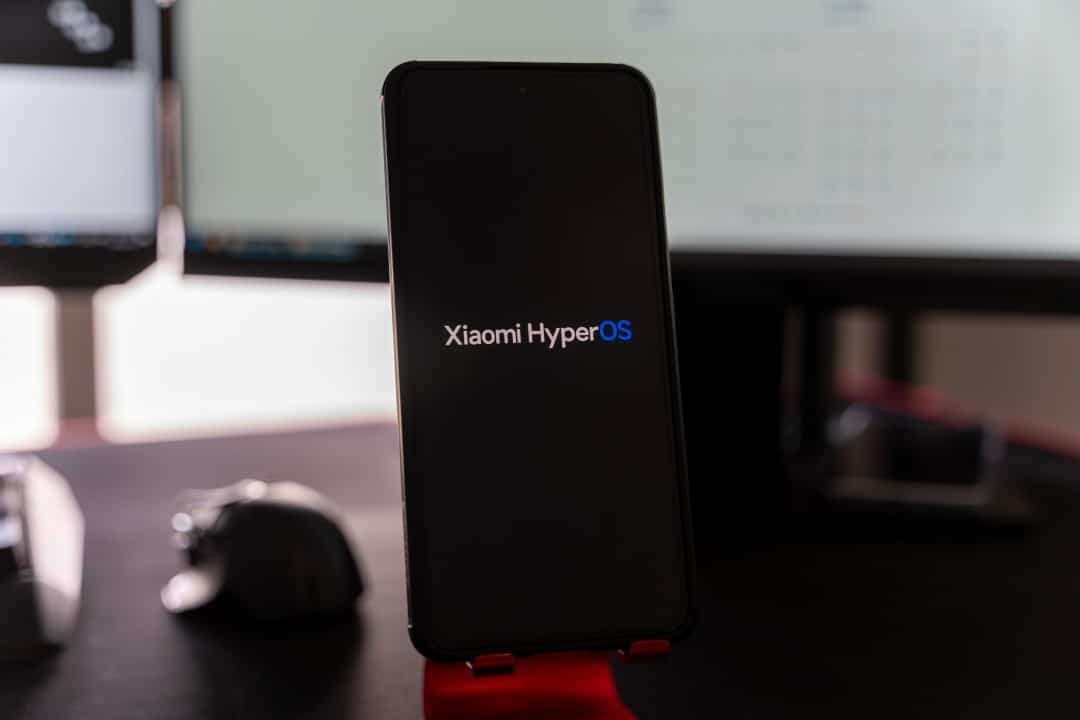
Devices included in the first wave of testing
The list of devices that receive HyperOS 3.1 global builds includes nine premium models. Esses devices combine advanced hardware with the new foundation of Android 16.
- Xiaomi 17
- Xiaomi 15
- Xiaomi 15 Ultra
- Xiaomi 14
- Xiaomi 14 Ultra
- Xiaomi MIX Flip
- Xiaomi Pad Mini
- Poco F7 Pro
- Poco F7 Ultra
- Poco F8 Ultra
These smartphones and the tablet stand out for their latest generation processors. The update exploits unique features of the Android 16 to improve fluidity and energy efficiency.
Technical basis of HyperOS 3.1
HyperOS 3.1 is built exclusively on top of Android 16.
The Android 16 brings advances in battery management and artificial intelligence processing. Xiaomi adapts these elements to offer smoother animations and faster interface responses.
New features expected in the update
Version 3.1 introduces visible user interface improvements. The system’s animations are completely redesigned to convey greater naturalness in movements.
The lock screen receives depth effects that adjust to the content displayed. The Super Island feature expands interactive functionality directly in the notification area.
Native compatibility with accessories like AirPods makes connection and advanced controls easier. Essas additions make the experience more intuitive on a daily basis.
Testing process and initial stability
Global testing began immediately after the end of Mi Pilot on China on January 22, 2026. Builds destined for international markets undergo rigorous performance checks.
Teams check behavior across different networks and real-world usage scenarios. Correções applied in the Chinese phase serve as a basis to avoid recurring problems in the global version.
Users participating in the beta program report good initial stability in the available builds. The company monitors feedback for adjustments before broad public release.
Expected distribution schedule
The global rollout of HyperOS 3.1 is expected to begin between the end of January and February 2026 for first wave devices. Distribution occurs gradually to avoid overload on servers.
Flagship models receive priority in the update calendar. Após At this stage, the company plans to expand to intermediate lines compatible with Android 16.
Differences from the previous version
HyperOS 3.1 advances over 3.0 with deeper integration into Android 16. Changes include unique optimizations that exploit new APIs from the base system.
Native application interfaces get a renewed look with more fluid transitions. Memory management improves significantly in intense multitasking.
How to check update availability
Eligible device users access the updates menu in the Configurações app. The option appears automatically when the build becomes available in the region.
Participants in the global Mi Pilot program receive priority notifications. Ferramentas community platforms like MemeOS Enhancer help with status monitoring.
Recommended preparation before installation
Experts suggest complete data backup before installing any beta build. The practice avoids loss of information in the event of occasional instabilities.
Clearing application cache contributes to smoother transition. Verificar Sufficient free space on storage also makes it easier to download the package.
Benefits for Poco users
The Poco F7 Pro, F7 Ultra and F8 Ultra models gain early access to new features. Esses devices maintain aggressive performance identity combined with the new interface.
The update reinforces the sub-brand’s positioning in the premium segment. Recursos customization tools go deeper with built-in Android 16 tools.
HyperOS 3.1 Future Expansion
Xiaomi plans to add more devices after initial testing is complete. Linhas compatible intermediaries will receive the update in subsequent stages throughout 2026.
The focus remains on devices capable of running Android 16 natively. Essa restriction guarantees adequate performance for the new features implemented.
HyperOS 3.1 represents a significant advance on the Xiaomi platform. The foundation on Android 16 paves the way for innovative features in artificial intelligence and dynamic interface. Ongoing global tests indicate the proximity of public release for the first models. Usuários awaits concrete improvements in fluidity and customization that should elevate the daily experience.




