
Apple releases improved connection for smartwatches in Europe in iOS 26.3 to comply with digital law


Apple began implementing significant changes to its operating system with the arrival of iOS 26.3, focusing on improving interoperability between the iPhone and smartwatches from other brands. The update, which is in the beta testing phase, is intended exclusively for users on the União Europeia and represents a direct response to the requirements of the Lei of the Mercados Digitais (Digital Markets Act), which seeks to promote a fairer competitive environment in the technology sector.
The new features enable third-party wearable devices, such as those made by Samsung and Garmin, to offer a more integrated and fluid user experience. Entre the main improvements are proximity pairing and a more efficient notification system, which were previously points of friction for those who chose not to use the Apple Watch.
This technical opening signals a change in the company’s strategy, which has historically kept its hardware and software ecosystem tightly controlled. The implementation occurs gradually, starting with the versions for developers, and aims to align the company’s operations with the new regulatory guidelines of the European bloc, which is pushing for greater freedom of choice for consumers.
What changes with proximity pairing
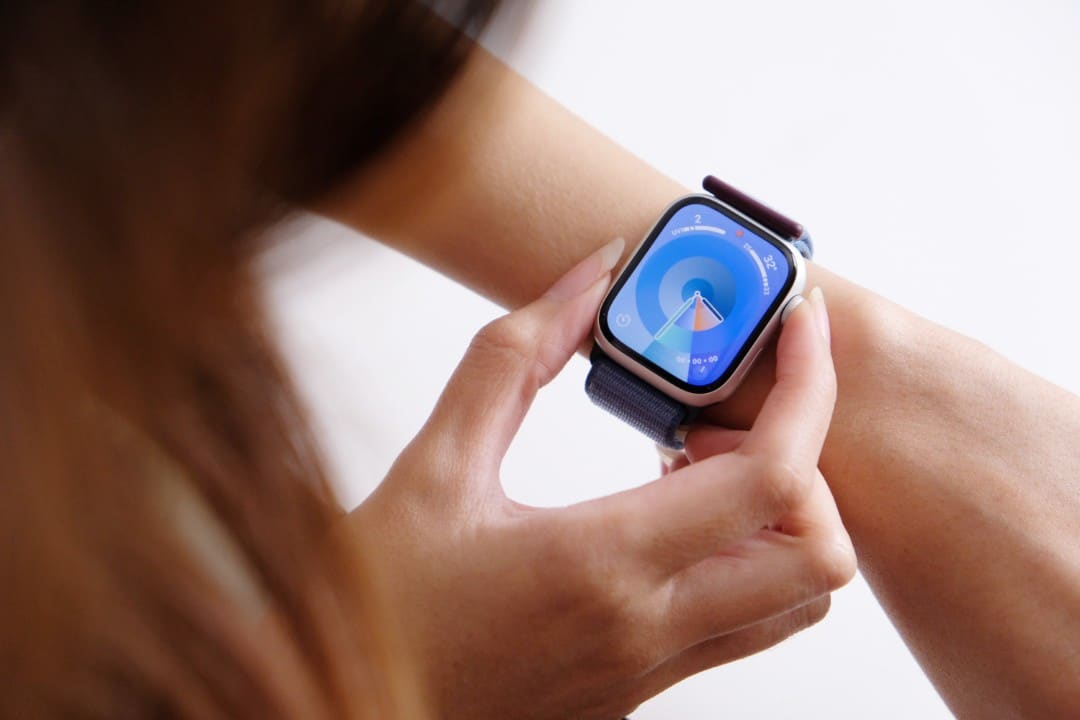
One of the most anticipated changes is the introduction of proximity pairing for smart watches from other brands. With iOS 26.3, the connection process will resemble that of AirPods: simply bring the new device closer to the iPhone and a configuration window will automatically appear on the screen, drastically simplifying the initial synchronization.
This functionality replaces the previous method, which often required installing a dedicated application, navigating multiple configuration menus, and manually entering codes. The new approach makes the experience more intuitive and faster, reducing barriers for users who want to combine the performance of an iPhone with the expertise of a wearable from another manufacturer.
Notification system improvements
The notification routing system has also been profoundly redesigned in the new version of the operating system for the European market. Anteriormente, the delivery of alerts to third-party smartwatches depended on constant communication with the brand’s application on the iPhone, which could result in delays, crashes and excessive battery consumption. With the update, iOS now manages the sending of notifications more natively and directly to paired devices. Isso means that messages, calls and application alerts will reach the user’s wrist with greater reliability and lower latency, regardless of the watch used. The change guarantees a more consistent and stable experience, bringing the functionality of competing watches closer to that offered by the Apple Watch, at least with regard to basic communication with the smartphone.
The strength of Digital Markets Act
The updates in iOS 26.3 are not a voluntary initiative by Apple, but a direct consequence of Lei of Mercados Digitais (DMA) of União Europeia. Essa Landmark legislation was created to regulate large technology companies, classified as “gatekeepers”, and ensure that they do not use their market power to suppress competition. The law establishes a series of obligations and prohibitions, including the need to allow greater interoperability with third-party services and hardware.
By forcing Apple to open up parts of its ecosystem, Comissão Europeia seeks to increase consumer freedom of choice and encourage innovation among device manufacturers. The restricted geographic application of the update shows that the change is a response to regulation, as users in other parts of the world, such as América from Norte and América from Sul, will not have access to these integration improvements, maintaining the already known limitations.
Features that remain exclusive to Apple Watch
Despite the opening forced by European legislation, the Apple maintains a robust set of features as an exclusive differentiator for the Apple Watch. Recursos advanced health and safety features such as car crash detection, Emergência satellite SOS, and atrial fibrillation monitoring will not be made available for third-party devices.
This strategy allows the company to comply with regulatory requirements without cannibalizing its own product. Deep integration with the Saúde app and the Fitness app’s badge and challenge system also remain competitive advantages of the brand’s ecosystem.
In this way, the company balances legal compliance with the protection of its proprietary innovations. Consumers gain more flexibility in the basic connection, but the most complete and integrated experience is still reserved for those who invest in the Apple’s own hardware.
The differentiation is clear: while basic connectivity improves for everyone on the Europa, the features that define the Apple Watch’s identity as a health and wellness device remain a strong selling point for the house’s product.
Impact for competing manufacturers
The iOS update on Europa represents a significant opportunity for brands like Garmin, Samsung, and Huawei. The Garmin, for example, is a leader in watches for athletes and adventurers, with high-precision GPS and advanced training metrics. The improved connection with the iPhone makes its products, such as the Venu series, an even more viable option for athletes who do not want to give up the Apple ecosystem.
Likewise, Samsung, with its Galaxy Watch models that stand out for their high-quality screens and sleep monitoring features, will be able to compete more effectively for the pulse of iPhone users on the continent. The same goes for the Google Pixel Watch, with its integration with the voice assistant, and for the Huawei watches, known for their long battery life.
This change partially levels the playing field, allowing European consumers to choose a smartwatch based on its specific features, such as design, sport focus or autonomy, without the iPhone notification and connection experience being severely compromised.
The user experience outside of Europa
It is essential to highlight that iOS 26.3 integration improvements are geographically restricted to União Europeia. iPhone Usuários in Brasil, Estados Unidos and other international markets will not receive these features and will continue to face existing limitations when connecting to third-party smartwatches.
For these consumers, the experience will remain dependent on each manufacturer’s applications for data synchronization and notification management. Apple has not made any announcement about the possibility of expanding this opening to other regions, which suggests that the policy will only be maintained where legally required.
Availability details
Currently, the new features are only available to developers registered with Apple Developer Program who have installed the beta version of iOS 26.3 on their devices. The testing phase is crucial so that Apple and wearable manufacturers can refine the implementation and correct any flaws before the official launch. The expectation is that the final and stable version of the system will be released to the general public on União Europeia in the coming weeks, through a standard software update for all compatible iPhones.



