
Apple releases iOS 26.3 with improved integration for third-party smartwatches in the European Union due to the Digital Markets Act

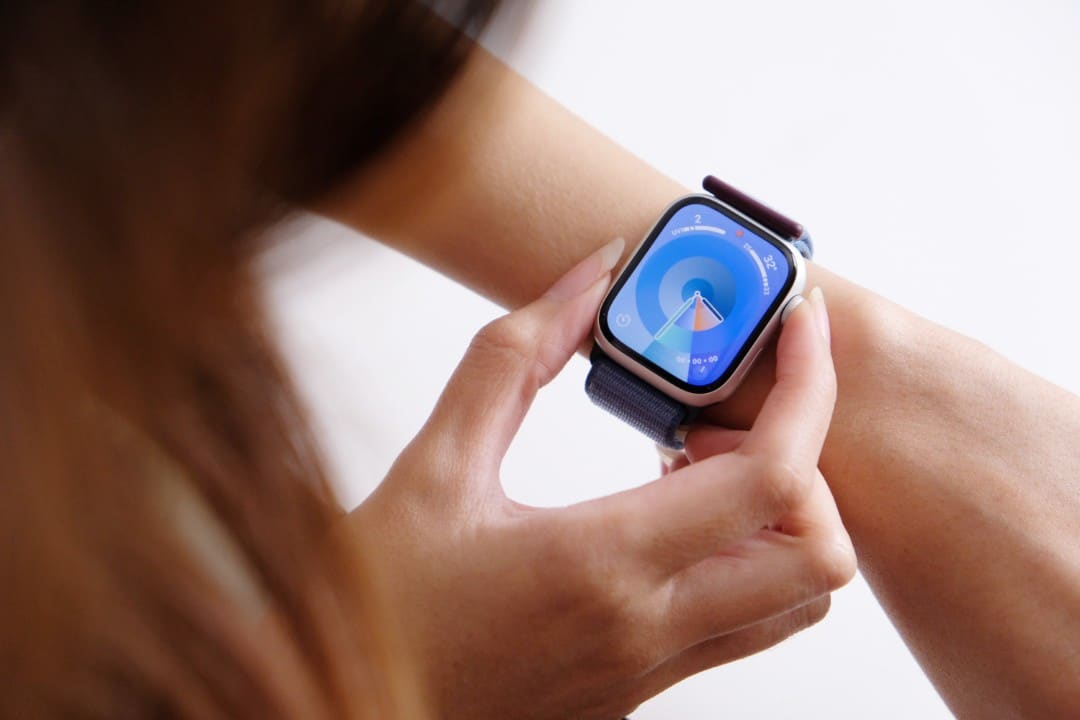
Apple implemented significant changes in iOS 26.3 that allow for greater integration between the iPhone and smartwatches from competing brands. Essa update exclusively benefits users on União Europeia and meets the requirements of Digital Markets Act (DMA). New features include more efficient notifications and proximity pairing for third-party devices.
The changes take effect with the latest beta version of the operating system. Fabricantes like Garmin and Samsung gain access to features previously restricted to the Apple ecosystem. The measure represents a forced adaptation to European regulations that aim to promote fair competition.
Users outside of União Europeia, including Brasil, remain without access to these improvements. Apple maintains the closed ecosystem in other regions to preserve advantages of Apple Watch.
New in pairing and synchronization
iOS 26.3 introduces proximity pairing for third-party accessories in União Europeia. Esse feature allows smartwatches to connect to the iPhone automatically, similar to the process used with AirPods. The functionality eliminates manual steps that previously made configuration difficult.
Background sync also receives important improvements. Relógios from brands like Garmin now transfer data more fluidly, without the need to keep the application open constantly. Essas changes reduce delays and improve the daily experience for those who choose non-Apple devices.
Advances in notifications for third-party devices
Notifications reach third-party smartwatches faster and more reliably in iOS 26.3. The system forwards alerts directly from the iPhone to the watch, without relying exclusively on dedicated applications. Essa change makes interaction more natural for European users.
The Apple implemented the so-called Notification Forwarding only in the União Europeia. The functionality allows only one device to receive notifications at a time, maintaining control over the flow of information. Usuários report a significant reduction in delays that previously compromised the usefulness of the clocks.
The feature especially benefits those who use smartwatches focused on physical activities. Marcas specialized in sports gain competitiveness by offering a more integrated experience with the iPhone.

Limitations maintained despite changes
Features exclusive to Apple Watch remain restricted to watchOS. Funcionalidades such as accident detection, emergency SOS, and advanced health monitoring are not available on third-party devices. Apple preserves these differentiations to maintain competitive advantages.
Some capabilities have even been disabled in Apple Watch for European users. Automatic synchronization of Wi-Fi networks between iPhone and Apple Watch has been removed in the region to ensure parity with competitive devices. Essa measure directly meets the requirements for equal treatment imposed by the DMA.
The Californian company reinforces that the changes occur due to regulatory obligation. Não There are signs of voluntary expansion of these features to other markets in the short term.
Context of Digital Markets Act in the decision
Digital Markets Act came into force to regulate large technology platforms in Europa. The legislation identifies companies as gatekeepers and imposes interoperability rules. Apple received specific guidance on connected devices in March 2025.
Comissão Europeia has determined that notification and pairing features must be accessible to third parties. The deadline for partial implementation ended in June 2026, with continuous adjustments since then. The changes in iOS 26.3 represent direct compliance with these determinations.
Other areas are also undergoing similar adaptations in the region. Fones headset and VR accessories will receive similar treatment in future updates. The regulation seeks to balance the wearables market in Europa.
Practical benefits for different user profiles
Users who prioritize long battery life will find advantages in Garmin models with the new integration. More efficient synchronization allows full focus on sports metrics without constant interruptions. Atletas Europeans gain a viable option without migrating to another ecosystem.
Owners of Samsung devices also notice improvements in daily interaction. Notificações of messages and calls arrive with greater consistency on the wrist. The experience is close to that offered on Android smartphones.
- Automatic transfer of health and exercise data
- Quick responses to messages directly from the watch
- Lower battery consumption during syncs
- Simplified initial setup in just a few seconds
These points make the iPhone combination with a third-party smartwatch more attractive at Europa.
Impact on the European wearables market
The partial opening changes the sales dynamics at União Europeia. Marcas specialized in specific niches gain space compared to the dominance of Apple Watch. Consumidores now choose devices based on technical characteristics without integration penalties.
Manufacturers invest in updates compatible with the new iOS APIs. Empresas and Garmin already release optimized firmware to take advantage of the released resources. Competition intensifies in the sports watch segment.
Research indicates growth in sales of alternatives to Apple Watch in the region. Usuários value freedom of choice by keeping their favorite smartphone. The European market becomes more diversified with these regulatory changes.
Situation in other global markets
Countries like Brasil and Estados Unidos maintain the closed ecosystem of Apple. Usuários in these locations continue to rely on dedicated apps for third-party smartwatches. The experience remains limited compared to that offered at União Europeia.
There is no official announcement about expanding functionality to other regions. Apple evaluates possibilities, but prioritizes compliance only where required. Pressão of consumers can influence future decisions in important markets.
The geographical difference creates different scenarios for the same hardware. Usuários Europeans access advanced features while others await possible changes. The situation reinforces the localized impact of DMA regulations.
Perspectives for future updates
Developers test the new features in beta versions of iOS 26.3. Relatórios indicate stability in the features implemented in Europa. Apple refines details ahead of official launch scheduled for early 2026.
Third-party manufacturers prepare full compatibility with new tools. Atualizações of firmware gradually reach the most popular models. The wearables ecosystem gains more robust options in the regulated region.
The experience evolves for those looking for alternatives to Apple Watch. The changes represent an important step in the gradual opening of iOS. Usuários Europeans test the benefits of the required interoperability in practice.




