
Artemis 2: NASA advances with general rehearsal of the SLS rocket for the future manned mission to the Moon


Nasa took a fundamental step in preparing for the return of astronauts to lunar orbit by initiating a critical procedure on Kennedy Space Center, on Flórida. The gigantic Space Launch System (SLS) rocket, destined for the Artemis 2 mission, is undergoing a complete fueling test, known as a “wet dress rehearsal.” Este event simulates all steps of a real countdown, except the ignition of the engines, and is one of the last major checks before manned flight.
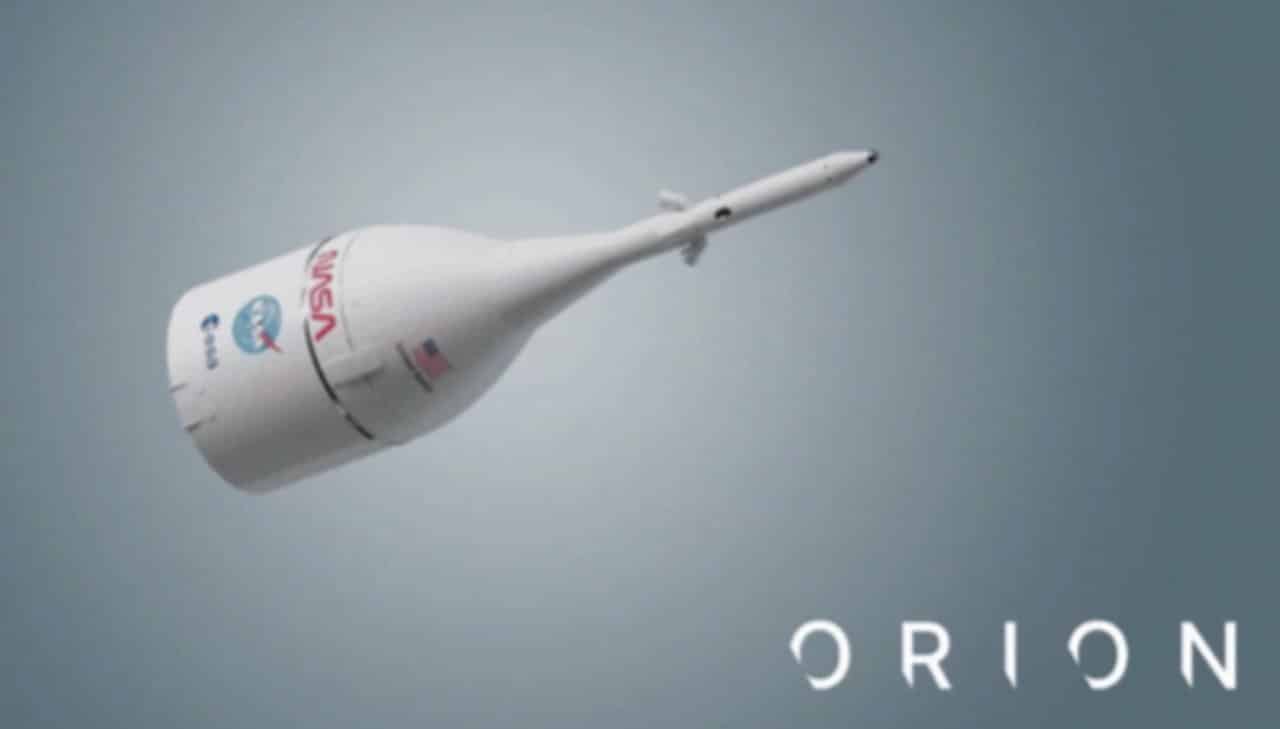
The operations, carried out from the historic launch pad 39B, involve loading more than 2.6 million liters of cryogenic propellants, including liquid oxygen and liquid hydrogen, at extremely low temperatures. Engineering teams monitor every system on the Orion rocket and capsule, which will carry four astronauts on a journey around Lua, marking the first time in more than five decades that humans will venture this far from Terra.
The procedure is broadcast live by the space agency, allowing the public to follow this significant milestone in real time. The success of the test is crucial to validating the readiness of all integrated systems, from the vehicle hardware to the launch control software, ensuring the safety of the crew on the future mission.
Detailed assay procedures
The wet dress rehearsal activities began days earlier, with meticulous preparations that included the configuration of the umbilicals, structures that connect the mobile launcher to the rocket to provide energy and propellants. Engineers followed a strict schedule for cooling the fuel lines, an essential step to avoid thermal shocks that could damage components while charging the super-cold liquids.
The fueling process for the SLS core stage, the rocket’s largest component, began in a slow and controlled manner. Após the initial safety checks confirmed the absence of leaks and the stability of the systems, the teams received authorization to advance to the rapid filling phase, a moment of high operational intensity.
The test culminates with a countdown that simulates the full launch procedure, intentionally stopping around 30 seconds before “launch”. Durante throughout the process, thousands of sensors monitor flows, pressures and temperatures in real time, sending a continuous stream of data to the control room.
This comprehensive simulation allows flight controllers to practice procedures and identify any anomalies that may arise on an actual launch day. Analysis of the data collected will be essential to certify the rocket as ready for the manned mission, adjusting protocols and ensuring that all contingencies are understood.
Technical challenges in loading propellants
Fueling SLS is a highly complex task, especially due to the properties of liquid hydrogen. Sendo the smallest molecule in the universe, hydrogen can escape through microscopic cracks in seals and connections, a challenge that has caused significant delays in previous tests of the Artemis program. Detecting and fixing these leaks is a top priority for the engineering team.
During the unmanned mission Artemis 1 campaign in 2022, it took four wet dress rehearsals to finally resolve leakage issues. Essas failures required the rocket to be transported back to Edifício of Montagem of Veículos (VAB) on three separate occasions for complex repairs, demonstrating the inherent difficulty in handling this type of propellant. Lessons learned from these challenges have led to the implementation of improved sealing techniques and more rigorous monitoring protocols, which are now being applied.
Artemis 2 crew composition
The Artemis 2 mission will be commanded by the Nasa Reid Wiseman astronaut, a veteran with previous experience in missions on Estação Espacial Internacional. Ele will lead a diverse team that reflects the collaborative nature of modern space exploration, including international partnerships critical to the success of the Artemis program.
The pilot of the mission will be Victor Glover, who also has extensive experience in long-duration space flights aboard the orbital laboratory. Mission specialist Christina Koch, holder of the record for continuous female stay in space, completes the North American team. Juntos, they represent a highly qualified group to operate the Orion capsule on its complex lunar trajectory.
The crew also includes astronaut Jeremy Hansen, from Agência Espacial Canadense (CSA), who will serve as a mission specialist. Sua participation is the result of an international agreement between the Estados Unidos and the Canadá, highlighting the global effort behind the program that aims to not only return to
The importance of SLS in the Artemis program
The Space Launch System is the most powerful rocket ever built by the Nasa, surpassing even the iconic Saturn V from the Apollo program. Ele is designed specifically for deep space missions, with the ability to launch heavy payloads, such as the Orion capsule and future lunar landers, beyond the Terra’s low orbit.
Its current configuration, known as Block 1, uses a massive core stage equipped with four RS-25 engines, the same ones that powered the Ônibus Espacial, but upgraded for greater performance. Essa combination of tested technology and modern innovations makes SLS the backbone of the entire Artemis program.
Broadcast and public monitoring
In keeping with its policy of transparency, Nasa provided several live cameras positioned on platform 39B, which captured continuous images of the rocket throughout the test. A dedicated broadcast on the agency’s official YouTube channels and on its institutional website offers complete coverage, with comments from experts who explain each step of the complex procedure.
History of preparations for Artemis 2
Preparing for the Artemis 2 mission is a process that took years. The assembly of the different stages of the SLS rocket began much earlier at Vehicle Assembly Building, the same place where the Apollo rockets were prepared. Simultaneamente, the Orion capsule has undergone a series of rigorous environmental tests in specialized facilities to ensure it can protect the crew from the harsh conditions of deep space.
The overall schedule for the Artemis program has faced delays due to technical and budgetary challenges, but the agency has implemented progressive corrections and improvements to meet stringent safety requirements for human flight. The current trial is a reflection of all the lessons learned, with multidisciplinary teams working tirelessly to ensure precision at each stage and consolidate the path to human return to Lua.
Next steps after the rehearsal
Upon completion of the wet dress rehearsal, Nasa will begin an exhaustive analysis of all data collected. If the test is considered a success, with no serious anomalies, engineers will certify the vehicle as ready for the final stages of preparation for launch. Pequenos adjustments, if necessary, can be made directly on the launch platform. However, if significant problems arise, such as persistent leaks or system failures, the rocket may be transported back to Edifício of Montagem of Veículos for more extensive repairs, which could impact the planned launch window for the mission. The space agency will hold press conferences to detail results and next steps, keeping the public informed about progress toward the goal of reestablishing a sustainable human presence beyond Earth orbit, using Lua as a springboard for future missions to Marte. Este test, therefore, is not just a technical procedure, but a decisive milestone that will set the pace for the next chapters of human space exploration.



