
Barcelona produces its own brand to put pressure on Nike and ends up with losses on parked uniforms

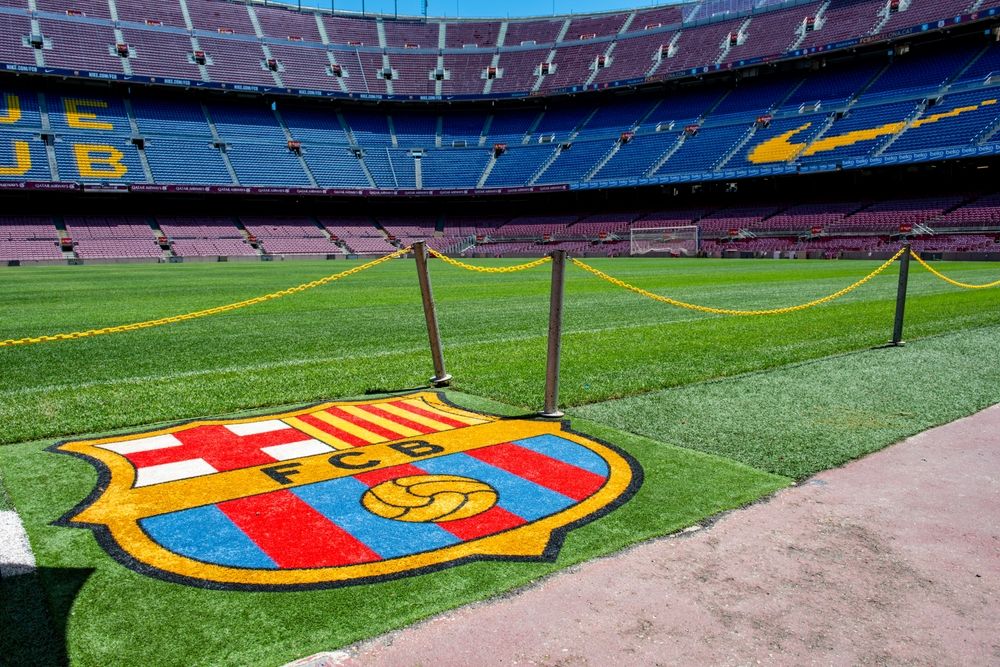
Barcelona faces an atypical scenario in its financial and logistical management after the resolution of a long contractual conflict with its sporting equipment supplier. The Catalan club invested approximately 4 million euros, which corresponds to around 24.6 million reais, in the manufacture of its own line of uniforms which is currently stored in an industrial warehouse at Espanha. The strategic decision took place during a period of uncertainty in negotiations with Nike, aiming to guarantee the supply of clothing for all of the institution’s sports if the decades-long historical link was abruptly severed.
The pieces were made under the club’s signature label, using the brand of its technology and innovation subsidiary, to serve not only men’s professional football, but also youth categories and sports such as basketball, volleyball and rugby. In total, it is estimated that 300,000 items, including game shirts and training accessories, were produced and were never sold or used by athletes in official competitions. The amount represents a significant volume of immobilized capital at a time when the club is seeking to balance its accounts in light of the Spanish league’s strict financial control rules.
The contingency strategy was adopted directly by the top management as a form of protection against possible failures in the supply of sports equipment during the transition of contracts. At the time of the order, Barcelona sought to renegotiate terms that it considered outdated, demanding greater control over global sales, royalties and digital licensing rights. With the renewal made official in December 2024 until the year 2038, the self-made uniforms lost their immediate purpose, resulting in a massive stock that remains without a clear destination in the industrial warehouses of Catalunha.
Welcome to our dressing room 🔵🔴pic.twitter.com/mHXB3SgUb5
— FC Barcelona (@FCBarcelona)February 3, 2026
Negotiation strategy and risks assumed by management
The massive production of its own uniforms was articulated as a pressure and security mechanism during the tense conversations between the board led by Joan Laporta and the American sportswear giant. The club wanted to regain autonomy in strategic sectors of commercial and retail operations, which led to the creation of prototypes and final batches with the institution’s own visual identity. Esta measure prevented professional and amateur teams from being left without assistance if the contract came to an end without an immediate replacement with global production capacity.
The planning involved the distribution of these pieces both to competitive squads and to the global consumer market, with sales prices already stipulated for fans on European and international soil. Manufacturing logistics were accelerated in the second half of 2024 so that stock would be available at the start of the following season, anticipating a definitive disruption that ended up not happening after new terms were accepted. With the announcement of the new long-term commercial agreement, the top priority once again became the exclusive use of products licensed by the official supplier, making the copyright batch obsolete.
Details of independent production and diversity of modalities achieved
The stocked uniforms were produced under the identification of the club’s innovation division, signaling a serious attempt to internalize the production of sports equipment on a large scale. The shipment included specific clothing for various sporting fronts, demonstrating that the autonomy plan was not restricted just to main men’s football, which is the brand’s flagship. Entre the items stored, there is complete equipment for the following departments and institutional purposes:
- Elite men’s and women’s professional football teams;
- Basic categories of all training divisions of Masia;
- Department of professional basketball and amateur rugby teams;
- Olympic sports such as volleyball, field hockey and futsal;
- Versions of shirts specifically aimed at children and collectors.
The diversity of the stock reflects the magnitude of the investment made to sustain the global operation of the Barcelona brand without third-party logistical support. Cada sporting modality required different technical specifications and materials, which considerably increased the production cost for the club’s coffers in a period of financial surveillance. The unit sales value for the final public was projected at 89 euros, which could generate gross revenue in excess of 26 million euros if all pieces were successfully sold in stores.
The outcome of the negotiations and the permanence of industrial stock
The renewal of the sponsorship contract until the end of the next decade brought financial stability to the club, but sealed the fate of clothes produced independently and in parallel. The new contract was classified by internal management as the best sports equipment contract in the world, guaranteeing significant annual contributions that exceed initial expectations of own revenue. With the contractual obligation to use the official sponsor’s uniforms, Barcelona found itself unable to sell the stock of 300,000 pieces manufactured during the impasse.
The material remains in a safe location in an industrial park, but with no plans for use in official matches or availability for members and fans in general. The existence of these uniforms highlights the complexity of high-level sports management, where millions of euros are allocated to reserve plans that can become sunk costs. Atualmente, the club prioritizes the activation of the new Nike global models while monitoring the accounting impact of the remaining parts on its end-of-economic cycle balance sheets.
Asset management and the challenges of sports commercial autonomy
Barcelona’s attempt to produce its own brand served as a real test for the viability of large clubs operating independently of traditional suppliers. Embora the investment ensured legal and operational security during the relationship crisis, it highlighted the logistical challenges of managing a complex supply chain. The storage of millions of euros worth of fabrics and clothing technology shows that the risk of obsolescence is extremely high in a market that renews its trends annually.
Sports finance experts note that the opportunity cost of these 4 million euros could have been applied to other operational areas or athlete signings. On the other hand, the board argues that the cost was necessary insurance to not weaken the club’s position at the negotiating table, where the American company ended up giving in. The final destination of these pieces may involve institutional donations or controlled disposal, as direct commercial sales could violate serious exclusivity clauses in the new contract.
Financial impact and recovery of institutional investment
Even with the amount frozen in the warehouse, the Catalan club projects a quick recovery through signing bonuses and fixed installments of the new master sponsorship. The €50 million annual agreement serves as a solid basis for mitigating the losses generated by idle stock, although material waste still generates internal debates. The cost structure of Barcelona is closely monitored by regulatory bodies, and the existence of this industrial warehouse is a physical record of the intense trade battles.
The operation to manufacture the clothes involved local and international textile suppliers who now have no new orders, as the club has returned to its normal supply flow. The episode marks a unique chapter in the recent history of European football, where an elite club has reached the stage of final production of its own brand. Barcelona remains focused on maximizing revenue from the new current contract, while dealing with the consequences of a political and strategic maneuver that cost the coffers tens of millions.
Technical perspective on the quality of stored material
Technical information indicates that the material produced had high performance standards, compatible with the demands of modern professional sport in several categories. The brand used in the development was a direct extension of the club’s technology laboratories, aiming to integrate design and functionality in an innovative and exclusive way. The use of advanced synthetic fibers and specific cuts for each modality demonstrates that this was not a generic production, but a cutting-edge textile engineering project.
The fact that these parts are stored represents not only a direct monetary loss, but also the loss of a cycle of innovation that could have changed the market. Over time, the technology for these fabrics may become dated and lose their elastic or thermal properties, making any future high-performance use difficult. The club remains confidential about the possible recycling of materials or whether there will be an attempt to renegotiate the use of these items in charity events or cultural exhibitions.
Cost monitoring and transparency in the management of Laporta
Joan Laporta’s management has been marked by bold decisions to recover the institution’s financial health, including the sale of digital assets and broadcasting rights. The case of the stored uniforms is seen by some advisors as an extension of this policy of calculated risk, where the club prefers to spend to have bargaining power. Transparency about the destination of these 300,000 pieces will be fundamental for the next member assemblies, which question the efficiency of spending on materials that do not generate direct returns.
Barcelona states that all decisions were made based on legal opinions that predicted the worst possible scenario in the relationship with former commercial partners. The existence of the warehouse serves as insurance that did not need to be activated, but now requires a logistical solution to avoid generating additional maintenance costs. The sports market is closely watching how the club will liquidate this fixed asset without compromising the current contractual relationships that are vital for the team’s current and future cash flow.
Consequences for the textile supplier ecosystem
The impact of the interruption of the private label project also hit the supplier network that was mobilized to meet the record order of 300 thousand units. Muitas of these companies invested in machinery and personnel to meet the strict deadlines set by the club during the crisis phase with Nike. Agora, with the resumption of the traditional model, these local partners need to seek new markets to compensate for the lack of recurring orders from Barcelona, which is once again just a retail customer for the American supplier.
This fluctuation in demand highlights how the political decisions of major clubs can affect regional economies and entire industrial sectors in the Catalunha region. Own production was seen as a golden opportunity for the local textile sector to directly associate with a prestigious global brand. With the closure of the warehouse and the suspension of the project, the ecosystem returns to the status quo, awaiting definitions on what will be done with the raw materials and production surpluses that still circulate in the production chain.
Future of the own brand and lessons learned by the institution
Although the project was interrupted, Barcelona now has the technical knowledge and contacts necessary to reactivate its own production line in record time. Essa expertise is considered an intangible asset of great value, as it works as a deterrent tool in future renegotiations of sponsorship or commercial partnerships. The club learned to manage design, choice of materials and distribution logistics on a large scale, something that few clubs in the world have dared to undertake with such a level of detail and investment.
The lessons learned from the stock of 24 million reais will serve to calibrate future contingency strategies, preventing the production volume from exceeding the real need for security. The board sees the episode as an investment in autonomy, even if the immediate physical result is a warehouse full of unused boxes. Barcelona remains a sports management laboratory, where the line between commercial success and financial waste is constantly tested by the circumstances of the global football market.



