
Common daily habits weaken bones and increase the risk of fractures in millions of adults

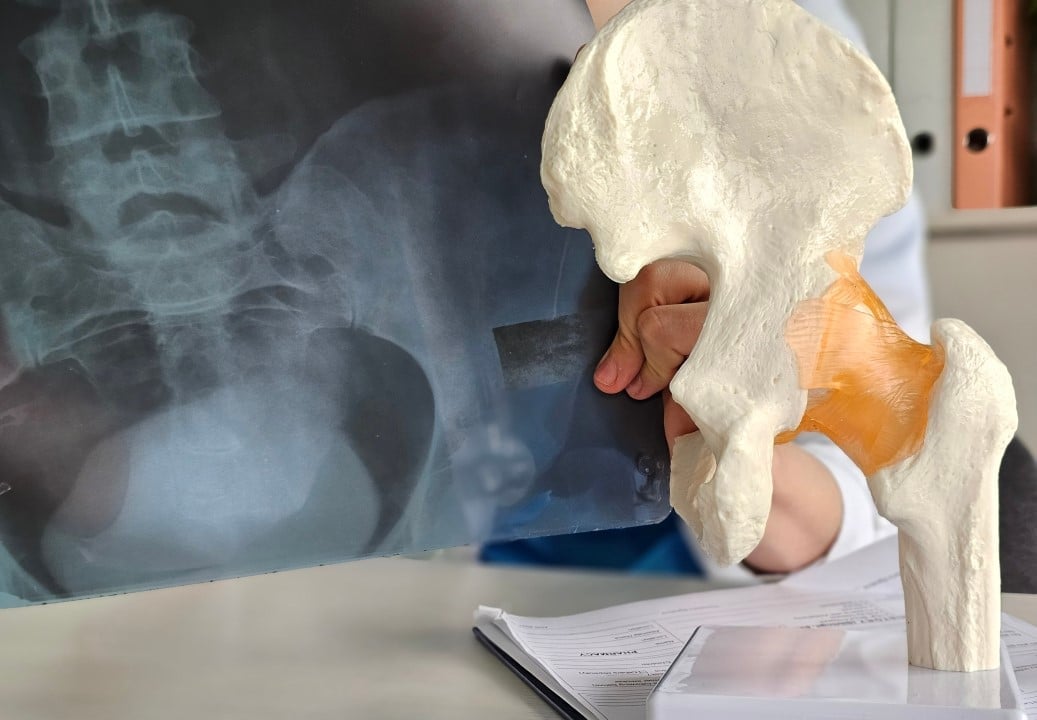
Many adults maintain daily routines that negatively impact bone density without realizing the long-term effects. Esses behaviors include poor food choices, lack of physical activity, and excessive consumption of certain substances. Especialistas in bone health warn that such practices contribute to the gradual weakening of bones, increasing vulnerability to fractures.
In Brasil, it is estimated that millions of people live with reduced bone mass due to these everyday factors. Density loss occurs silently over the years, especially after the age of 50. Estudos indicate that postmenopausal women and elderly men are more susceptible to these risks.
- Low calcium intake interferes with bone maintenance.
- A sedentary lifestyle reduces the stimuli necessary for bone renewal.
- High alcohol consumption impairs the absorption of essential nutrients.
- Smoking accelerates the degradation of bone structure.
Sedentary lifestyle affects bone renewal
A sedentary lifestyle represents one of the main factors that compromise bone health in everyday life. Passar long hours of sitting or without carrying out weight-bearing activities reduces the mechanical stimuli necessary for the formation of new bone tissue. Isso occurs because bones respond to external forces, strengthening when subjected to moderate impacts.
Health professionals note that adults with sedentary routines experience greater loss of bone mineral density over time. Lack of exercise such as walking or climbing stairs accelerates this process, especially in urban environments where motorized travel predominates.
Insufficient intake of essential nutrients
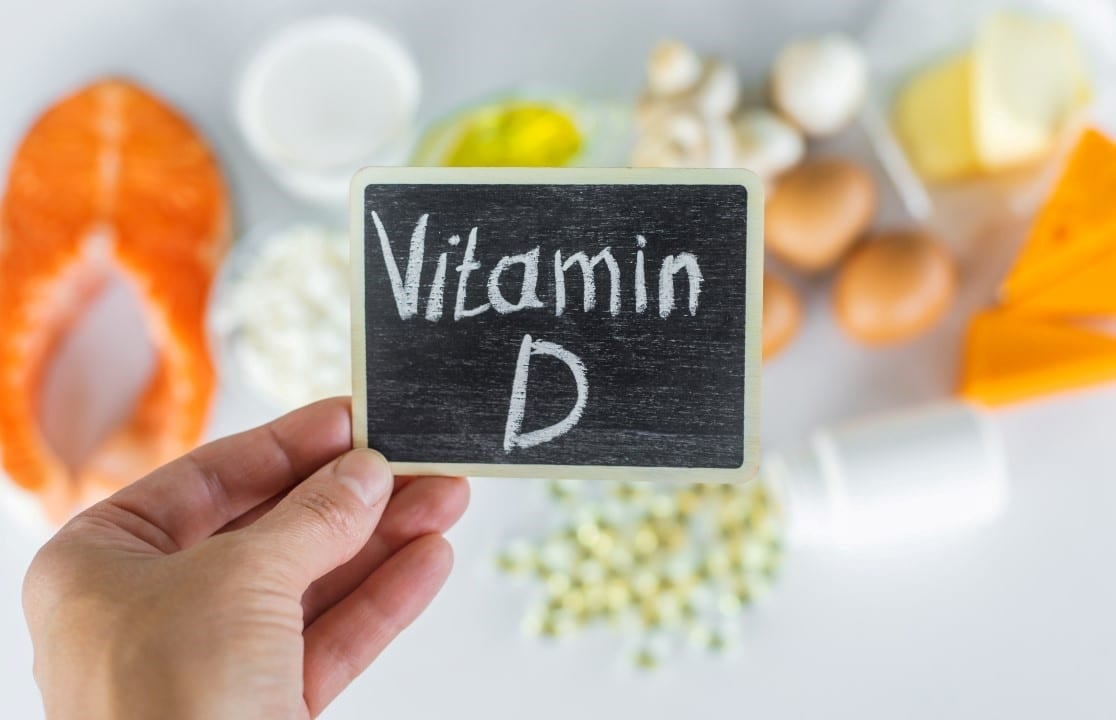
A diet low in calcium and vitamin D directly contributes to weakening of bones in many people. Adultos need to consume adequate amounts of these nutrients daily to maintain the integrity of the bone structure. Chronic deficiency leads to reduced bone mass, making bones more fragile.
Food sources such as dairy, leafy vegetables and fish provide necessary calcium, but many routines exclude these items. Vitamin D, obtained from moderate sun exposure or specific foods, facilitates the absorption of calcium in the intestine.
Excessive caffeine and soft drinks
High consumption of caffeinated drinks or soft drinks interferes with the body’s ability to absorb calcium. Quantidades Excessive amounts of these substances increase urinary excretion of the mineral, reducing its availability to the bones. Pesquisas show that the effect accumulates with daily habit.
Adults who drink multiple daily doses of these drinks are at greater risk of gradual bone loss. The phosphoric acid present in some soft drinks contributes to this mineral imbalance.
High alcohol consumption harms training
Alcoholic beverages in greater than moderate quantities negatively affect bone metabolism. Alcohol inhibits the activity of cells responsible for building new bone, while stimulating those that promote resorption. Esse imbalance results in reduced density over time.
Individuals with a regular intake of more than three daily doses face a greater likelihood of fractures. The effect is combined with other factors, such as malnutrition associated with excessive consumption.
Smoking accelerates bone degradation
Smoking cigarettes directly compromises all aspects of bone health. The toxic substances in tobacco reduce blood flow to the bones and interfere with the production of hormones related to bone maintenance. Fumantes have a significantly higher risk of fractures compared to non-smokers.
Nicotine and other compounds decrease calcium absorption and accelerate estrogen loss in women. The impact manifests itself cumulatively over the years of habit.
Restrictive diets deprive nutrients
Frequent dietary restrictions or very low-calorie diets limit the supply of nutrients to the bones. Períodos Prolonged periods of insufficient intake deprive the body of essential proteins, vitamins and minerals. Isso compromises the constant renewal of bone tissue.
People who repeatedly adopt extreme regimens face greater vulnerability to bone weakening. The lack of nutritional balance worsens the problem in phases of life with greater metabolic demand.
Specific medications impact density
Certain long-term drug treatments negatively influence bone mass. Inibidores proton pump for reflux and oral corticosteroids represent common examples that reduce mineral density. Esses side effects require regular medical monitoring.
Patients chronically using these substances need to evaluate alternatives or supplementation when indicated. The risk increases in combinations with other negative habits.
Lack of protein compromises maintenance
Inadequate protein intake affects the support of bone and muscle structure. Proteínas provide amino acids necessary for the organic matrix of bones, complementing minerals. Prolonged Deficiência leads to reduced overall skeletal strength.
Sources such as lean meats, eggs and legumes should be part of a balanced daily diet. The combination with calcium enhances the benefits for bone health.
Limited sun exposure reduces vitamin D
Little sun exposure in indoor routines reduces the natural production of vitamin D in the skin. Essa vitamin regulates the absorption of calcium and phosphorus, fundamental elements for bones. Deficiência common in urban regions contributes to gradual weakening.
Adults with predominantly indoor schedules need to compensate with food sources or supplements when necessary. Balance avoids negative impacts on bone density.
The combination of multiple negative habits increases the negative effects on bone health. Profissionais recommend periodic assessment of mineral density through specific exams. Mudanças gradual changes in daily routines help preserve the integrity of bones throughout life.



