
HyperOS 3.1 with Android 16 arrives for global testing on nine premium phones from Xiaomi and Poco


Xiaomi has taken a crucial step in the evolution of its software ecosystem by beginning the global testing phase of HyperOS 3.1. The new interface, developed on the latest Android 16 base, is initially being distributed to a select group of nine high-end devices, including models from the brand itself and the Poco sub-brand. Este move marks the expansion of the program outside the Chinese market, where testing was completed in January 2026.
Development of the global ROMs has been underway since the end of January, with engineering teams focused on ensuring system stability and performance across different hardware configurations and international networks. The company’s strategy consists of validating the update on its most powerful devices before promoting a larger scale distribution, minimizing the occurrence of critical failures for the general public.
This initial phase is essential to adapt HyperOS 3.1 to the particularities of global markets, which include different pre-installed applications, services and connectivity optimizations. The feedback collected from testers will be used to refine the final version that will reach millions of users in the coming months, consolidating the transition from the old MIUI to the new integrated Xiaomi platform.
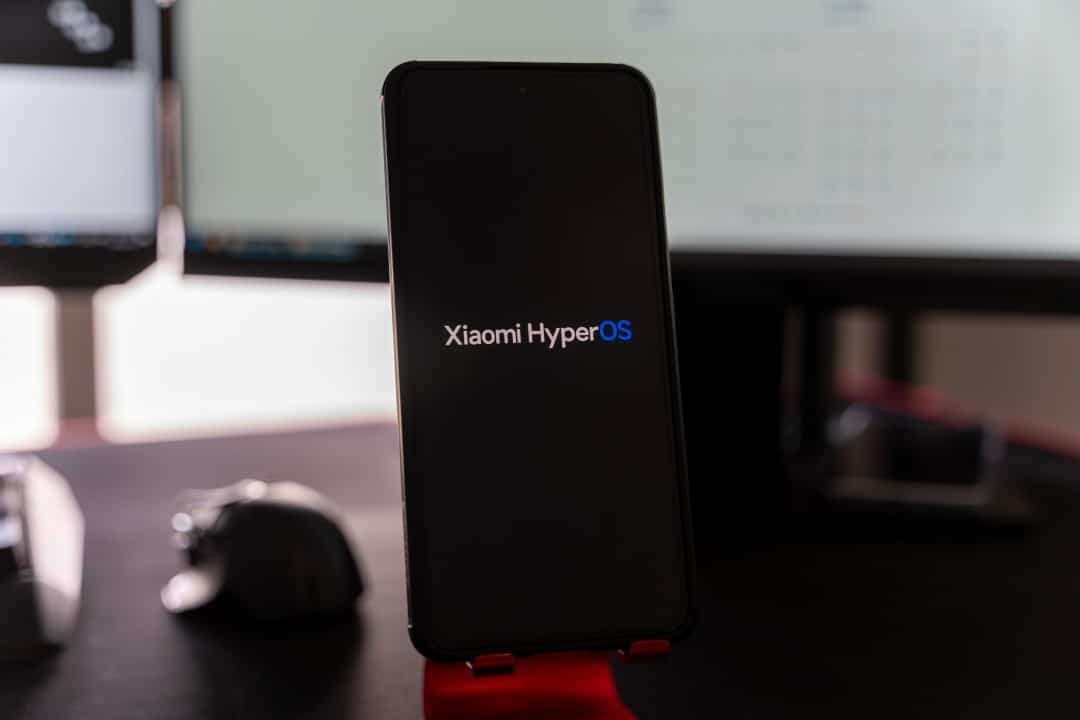
Devices covered in the first wave
The list of devices selected for this inaugural phase of global testing includes the elite of the Xiaomi and Poco portfolio. Foram chose the models Xiaomi 17, Xiaomi 15, Xiaomi 15 Ultra, Xiaomi 14, Da sub-brand Poco, the winners are the Poco F7 Pro, Poco F7 Ultra and the
The choice of these devices is not random. Todos are equipped with cutting-edge processors and advanced hardware components, capable of extracting the maximum potential from the new features and optimizations present in the Android 16. The company uses these models as a basis to ensure that the user experience is fluid and responsive from the first moment.
The technical basis of the new interface
HyperOS 3.1 is designed exclusively on the Android 16 architecture, which enables deeper and more efficient integration between the Xiaomi hardware and the Google software. Essa approach makes it possible to take advantage of APIs and native features of the new operating system, which would otherwise be more complex to implement.
Among the advances of the Android 16, highlights include improvements in power management, which promise greater battery life, and improved processing of artificial intelligence tasks directly on the device. Xiaomi is adapting these features to refine its own functionality, such as the virtual assistant and camera optimization algorithms.
Security is also a fundamental pillar in this new version. Android 16 introduces more granular permissions and more robust privacy control, elements that Xiaomi is incorporating into HyperOS to provide a more secure and transparent digital environment for its users around the world.
Features and improvements expected in the update
The update to HyperOS 3.1 promises to bring a series of visual and functional new features. One of the most notable changes is in the animation system, which has been completely redesigned to offer smoother, more natural transitions with better touch response, providing a feeling of greater fluidity in navigation.
The lock screen has also been improved with new depth effects that interact with the wallpaper, creating a more dynamic and personalized look. Além Additionally, the “Super Island” feature, an evolution of interactive notifications, has been expanded to offer more functionality and shortcuts without the need to open applications.
Interoperability with other devices has been strengthened. The new version will bring improved native support for accessories from other brands, such as the Apple AirPods, facilitating the connection process and allowing access to advanced controls directly from the system interface, such as battery levels and audio modes.
Another highlight is the optimization of the internal performance engine, which manages CPU and RAM resources more intelligently. Isso results in faster application opening and a more stable multitasking experience, even with multiple processes running in the background, a direct benefit of integration with Android 16.
Validation and stability process
The start of global testing comes shortly after the completion of the Mi Pilot program at China, which served as the first major trial by fire for HyperOS 3.1. The builds that now reach international markets already incorporate the corrections and adjustments made based on feedback from Chinese users, which tends to result in a more stable beta version from the start. Xiaomi’s engineering teams carry out rigorous checks to ensure that the software behaves predictably across different telephone operators and under varying usage conditions, simulating the day-to-day life of a common user in different parts of the globe.
Initial stability is an absolute priority for the company, as a negative experience at this stage could compromise the public’s perception of the quality of the update. Therefore, monitoring is constant, and bug reports sent by testers are analyzed and corrected in real time. Early reports from participants in the global beta program indicate a surprisingly polished system for a test version, with few critical issues, suggesting that the public launch could occur on schedule without major delays.
Distribution strategy and schedule
The HyperOS 3.1 distribution strategy will follow a phased and gradual model, a standard practice in the industry to ensure server stability and allow monitoring of potential issues in smaller batches of users. The expectation is that the public rollout for the nine devices in the first wave will begin between the end of January and the beginning of February 2026. Inicialmente, the update will be released to a limited percentage of users and, if no serious errors are detected, availability will be progressively expanded over the following weeks. Essa cautious approach, known as “staged rollout,” is essential for managing a user base that numbers in the millions. After the successful completion of the upgrade for high-end models, Xiaomi will turn its attention to premium mid-range devices and then other models that support the requirements of 2026.
Preparation before installing
Before proceeding with the installation of a system update, especially a beta version, it is highly recommended that users perform a complete backup of their personal data, including photos, videos, contacts and important documents. Embora the process is generally safe, unforeseen events may occur, and having a backup copy guarantees the recovery of information in case of failure.
Direct benefits for line Poco
The inclusion of the Poco F7 Pro, F7 Ultra and F8 Ultra models in this first phase of testing is a strategic move that reinforces the sub-brand’s positioning in the high-performance segment. By receiving HyperOS 3.1 with Android 16 on par with the Xiaomi mainline flagships, these devices consolidate their value proposition, offering cutting-edge software combined with competitive hardware. Para Poco users, this means early access to all performance optimizations, interface improvements and new customization features, maintaining the visual identity and exclusive features that characterize the brand, but now on a more modern and efficient system base.




