
HyperOS 3.1 with Android 16 arrives for testing on nine premium phones from Xiaomi and Poco globally


Xiaomi has officially expanded the reach of its newest user interface, HyperOS 3.1, to the global market. The testing phase, which now encompasses nine high-end devices from the Xiaomi and Poco brands, marks a crucial step before mass distribution. Esta new version is built on the Android 16 architecture, promising deep hardware and software integration with a focus on performance and artificial intelligence.
The global testing program was initiated shortly after the successful completion of phase Mi Pilot in China, which ended in January 2026. The company’s development teams are focused on validating the stability of international builds, adapting the system for different networks and usage scenarios outside the source market. Este process is essential to ensure a consistent user experience free from critical failures.
The initial selection of devices reflects the company’s strategy of prioritizing its most powerful models, which have the necessary hardware to exploit the full potential of new features. Entre the devices covered are the recently launched Xiaomi 17 series and models from the Poco F7 line, indicating a strong investment in the premium segment experience.
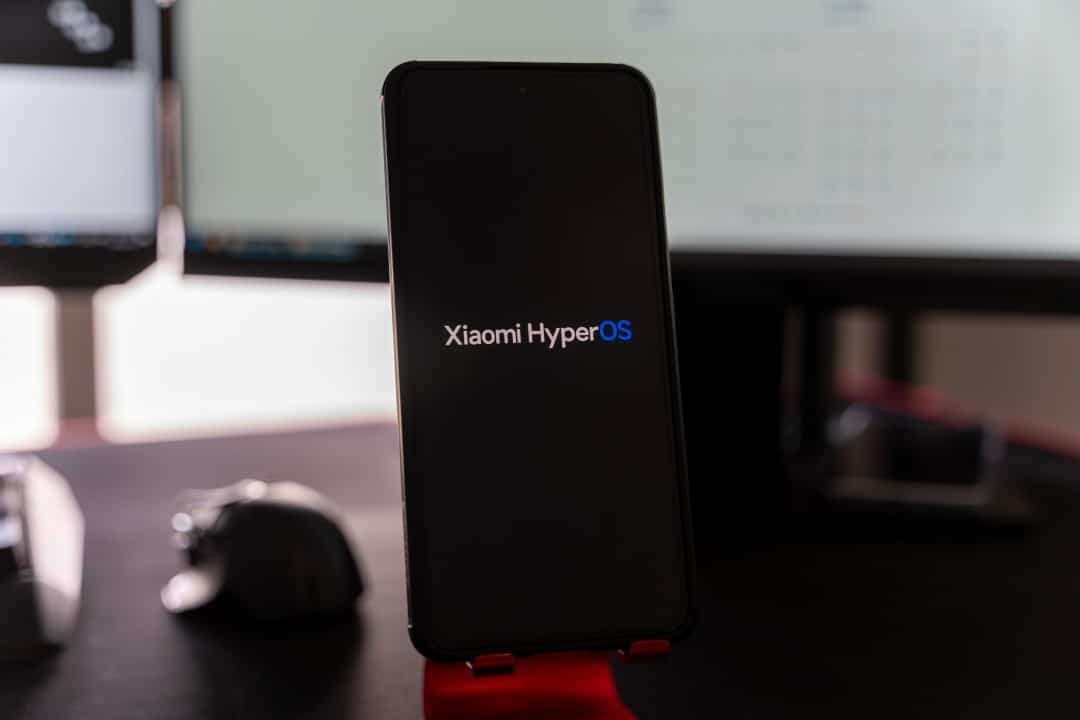
The main objectives of this update include optimizing power consumption, introducing a more fluid user interface and implementing AI-based functionalities. The expectation is that HyperOS 3.1 will redefine user interaction with the brand’s devices, making it more intuitive and responsive.
Models included in the initial phase
The first wave of global HyperOS 3.1 testing includes a select list of nine of the most advanced devices from Xiaomi and its sub-brand Poco, ensuring that the pioneering user base is made up of those with cutting-edge hardware. The list includes the Xiaomi 17, Xiaomi 15, Xiaomi 15 Ultra, Xiaomi 14 and Xiaomi 14 Além of the traditional models, the innovative foldable Xiaomi MIX Flip and the compact tablet Xiaomi Pad Mini were also included, demonstrating the company’s commitment to adapting the new system for different screen formats and use cases. The Poco sub-brand, known for its focus on performance, is represented by the powerful Poco F7 Pro, Poco F7 Ultra and Poco F8 Ultra, which will receive software optimizations to complement their robust specifications. Essa strategic choice allows Xiaomi to collect valuable data on the performance of the
What’s new in HyperOS 3.1
The update brings a significant redesign to the system’s animations, which have been reworked to offer greater fluidity and naturalness. Transitions between apps, opening folders, and interactions with notifications have been optimized to feel more organic and responsive to the user’s touch.
Another important visual new feature is the lock screen, which now supports depth effects. Essa functionality allows the system to identify the main object in a wallpaper and subtly overlay it with elements such as the clock, creating a three-dimensional and more immersive feel.
The “Super Island” functionality, an evolution of the dynamic notifications area, has also been improved. Ela now offers more integrations with third-party apps, displaying contextual information and interactive controls for real-time activities such as food deliveries, flight status or music playback, without the need to open the corresponding app.
The technological basis of Android 16
Built exclusively on top of Android 16, HyperOS 3.1 directly benefits from the innovations implemented by Google in its operating system. One of the areas of greatest advancement is background process management, which uses artificial intelligence to predict user behavior and allocate resources more efficiently. Isso results in a noticeable improvement in battery life, even with heavy app use and multitasking.
The new Google system also introduces improved APIs for on-device AI processing. The Xiaomi leverages this capability to accelerate features like in-gallery image recognition, real-time audio transcription, and intelligent in-system suggestions. By processing this data locally, user privacy is reinforced, and dependence on cloud connections is reduced, ensuring faster responses.
Phases of the global testing program
The HyperOS 3.1 validation process for the international market is meticulous and divided into clear steps. The first phase consists of rigorous internal testing, in which Xiaomi engineering teams seek to identify and fix critical compatibility and performance bugs.
After internal verification, the update is released to a restricted group of users participating in the global Mi Pilot program. Esses volunteers are the first to come into contact with the software and play a key role in providing feedback on use in real conditions.
Bug reports, improvement suggestions, and telemetry data collected during phase Mi Pilot are analyzed by the development team. The information is used to refine the system and create increasingly stable builds.
Only when the version reaches a level of stability considered ideal, Xiaomi begins gradual public distribution. The release is done in waves, by region and model, to monitor the process and avoid overloading the update servers.
Impact for users of line Poco
The inclusion of the Poco F7 Pro, F7 Ultra and F8 Ultra models in the first phase of testing reinforces the sub-brand’s positioning as a high-performance option. Users of these devices will have early access to software optimizations, which promise to get the most out of their cutting-edge processors and components.
This strategy also aligns the software experience of the Poco devices with that of the Xiaomi flagships, offering a cohesive interface and modern features. The update allows Poco to maintain its competitive advantage by combining powerful hardware with a refined and updated operating system.
Performance and security optimizations
In addition to visual improvements, HyperOS 3.1 focuses on low-level optimizations to improve system responsiveness. Memory management has been improved to keep more applications open in the background without compromising fluidity, a direct benefit for users who frequently switch between heavy tasks.
On the security front, integration with Android 16 brings a more robust privacy panel, offering users granular control over the permissions granted to each application. The system also implements new protections against malware and phishing attempts, strengthening the security of personal data.
Next steps for distribution
With testing underway, the expectation is that the public rollout of the stable version of HyperOS 3.1 to the nine devices in the first wave will begin between the end of January and the beginning of February 2026. After the successful completion of this initial phase, Xiaomi will release a detailed schedule to bring the update to other mid-range and entry-level models that are compatible with the requirements of Android 16, gradually expanding the reach of the new interface over the course of year.



