
Lunar calendar February 2026: phases of the Moon in the signs and solar eclipse in Aquarius


February 2026 holds an intense lunar cycle for skywatchers at Brasil. The month begins with Lua Cheia in
These changes reflect the constant movement of the natural satellite in relation to Terra and Sol. In astrology, each phase occurs in a specific zodiac sign, which adds layers of interpretation for those who follow these traditions.
The lunar calendar influences not only astronomical observation, but also cultural and astrological practices in different parts of the world. The main phases mark distinct moments of illumination and visibility of Lua, visible to the naked eye on most clear nights.
Main phases of the month
The February 2026 lunar cycle features four main phases, each associated with a zodiac sign. Esses events follow the pattern of approximately 29.5 days of the synodic cycle.
The times consider the time zone of Brasília, making it easier to follow within Brazilian territory. Visibility varies depending on weather conditions and geographic location.
- Lua Cheia on Leão: February 1st, at 7:09 pm. Momento of maximum illumination, traditionally known as the Neve Moon in some cultures.
- Moon Minguante in Escorpião: February 9, at 9:43 am. Início of the decrease in the illuminated portion.
- Moon Nova in Aquário: February 17, at 9:01 am. Coincide with annular solar eclipse.
- Moon Crescente in Gêmeos: February 24, at 9:27 am. Retorno gradual lighting.
These dates are based on precise astronomical calculations and are widely published by specialized institutions.
Moon Cheia in Leão
The Lua Cheia of February 1st occurs in the sign of Leão, reaching full illumination at 7:09 pm. Nesse moment, the satellite is positioned opposite Sol, reflecting complete light towards Terra.
In astrology, Leão is associated with themes of personal expression and creativity. Observadores report greater brightness in the night sky during this phase, ideal for contemplation in areas with low light pollution.
The phenomenon results from the perfect alignment between Sol, Terra and Lua. The average distance of 384 thousand kilometers allows this complete view of the lunar disk.
Transits of Lua through the signs
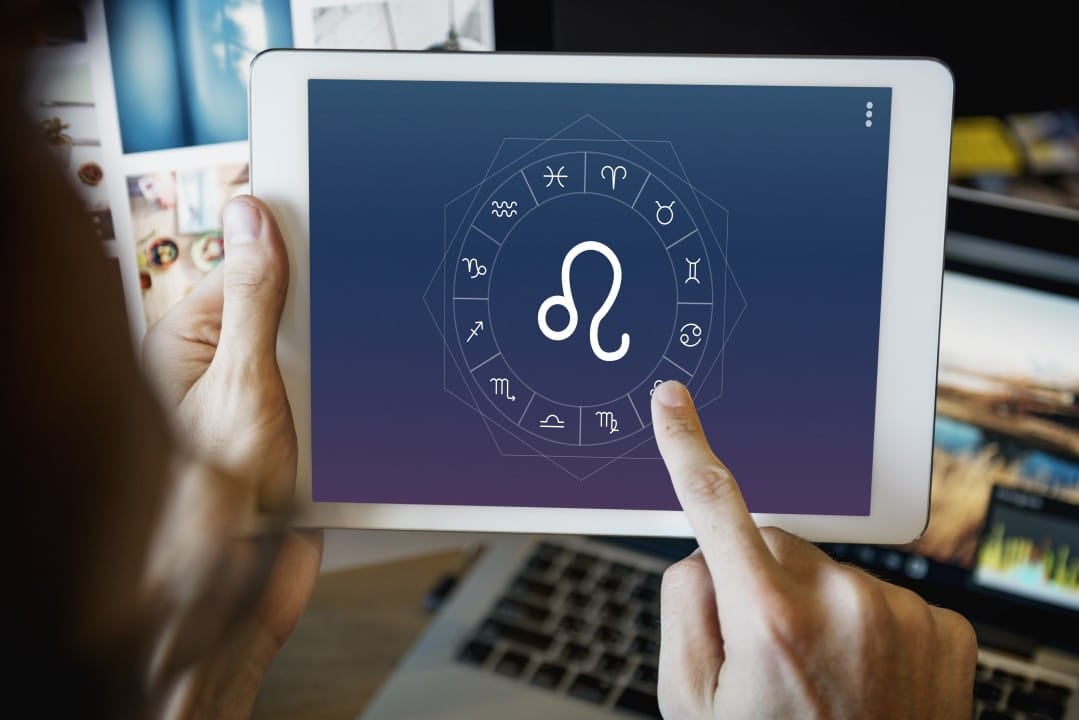
During February, Lua transits through all the signs of the zodiac, changing every two or three days. Esses movements influence daily astrological interpretations.
The satellite starts the month at Leão and follows a natural sequence along the ecliptic. Cada entry into a new sign marks a subtle shift in energy, according to astrological traditions.
Major transits include passages through Virgem, Libra, and Escorpião in the first few weeks. Posteriormente, advances through Sagitário, Capricórnio and Aquário before the new phase.
- February 3: entry into Virgem.
- February 5: entry into Libra.
- February 7: entry into Escorpião.
- February 10: entry into Sagitário.
- February 12: entry into Capricórnio.
- February 15: entry into Aquário.
These periods allow detailed monitoring for those interested in lunar astrology.
Moon Minguante in Escorpião
On February 9th, at 9:43 am, Lua Minguante is registered in the sign of Escorpião. Essa phase marks the beginning of the visible reduction of lunar illumination.
The illuminated portion progressively decreases until Lua Nova. In astrology, Escorpião relates to processes of transformation and introspection.
Observers notice the lunar disk appearing in half, with the illuminated part on the left in the southern hemisphere. The phenomenon facilitates identification of the transition to darker phases.
Solar eclipse at Lua Nova
Lua Nova on February 17, at 9:01 am, coincides with an annular solar eclipse at Aquário. Nesse alignment, the Lua is positioned between Terra and Sol, partially blocking sunlight.
The eclipse forms the so-called “ring of fire”, visible in its entirety mainly in Antártida and parts of África. No Brasil, visibility remains limited or non-existent, depending on the region.
Online broadcasts allow global monitoring of the event. Solar Eclipses occur only during Luas Novas, when the three celestial bodies align precisely.
Moon Crescente in Gêmeos
Lua Crescente is registered on February 24, at 9:27 am, in the sign of Gêmeos. Essa phase begins the growth of the illuminated portion after Nova.
The lunar disk appears in half, with illumination to the right in the southern hemisphere. In astrology, Gêmeos is associated with communication and adaptation.
The event marks the halfway point of the growth cycle towards the next Cheia. Observação requires clear skies, preferably in locations away from urban centers.
Lunar cycle and observation
The complete lunar cycle lasts about 29.5 days, divided into four main and intermediate phases. Cada one offers unique visibility and lighting characteristics.
In the southern hemisphere, the illuminated portions are inverted in relation to the north. Isso affects the appearance of phases Crescentes and Minguantes.
Observation practices include using binoculars or simple telescopes. Aplicativos and specialized websites provide accurate forecasts for any location.
Astronomical curiosities
Lua maintains an average distance of 384,400 kilometers from Terra, varying due to the elliptical orbit. In February, traditional names such as Lua da Neve refer to seasonal patterns in temperate regions.
Annular solar eclipses occur when Lua is further away, not completely covering Sol. The 2026 event stands out for its rarity in specific alignment.
Lunar gravitational influence affects ocean tides across the planet. Estudos Scientists continue to explore these effects in coastal ecosystems.
Visibility on Brasil
In Brazilian territory, lunar phases remain visible in most regions during clear nights. Cidades with higher altitude offer better observation conditions.
The eclipse on February 17th does not have significant visibility in the country. Regiões south may register subtle penumbra, but without the characteristic ring.
Observatories and amateur astronomy groups organize public sessions. Basic Equipamentos allow photographic recording of the main phases.
Traditions and astrology
In Western astrology, the signs that Lua transits through influence daily interpretations. Leão in Cheia emphasizes expression, while Aquário in Nova suggests innovation.
Brazilian indigenous traditions associate lunar phases with agricultural cycles and fishing. Essas practices vary according to ethnicities and geographic regions.
The lunar calendar serves as the basis for several global cultural systems. Sua astronomical precision combines with symbolic meanings in multiple societies.




