Minas Gerais: two men face animal cruelty charges for forcing lit cigarette into a mule’s mouth Por Luís Pereira
8 min de leitura
 |
Minas Gerais: two men face animal cruelty charges for forcing lit cigarette into a mule’s mouth
Authorities in Minas Gerais, Brazil, have filed animal cruelty charges against two individuals following a disturbing incident captured on video and widely circulated on social media, where a lit cigarette was forcibly placed into a mule’s mouth. The footage, which quickly drew widespread condemnation across digital platforms, shows one man positioning and igniting the cigarette while another subsequently mounts the animal, guiding it as the lit object remains in its mouth. This egregious act prompted a swift response from the Minas Gerais Military Environmental Police, which launched an immediate and thorough investigation into the highly publicized video. The incident, recorded on Saturday, August 31, 2025, in São Sebastião da Vargem Alegre, a rural municipality known for its agricultural activities, underscores the increasing vigilance against animal mistreatment. The police identified the suspects shortly after the video surfaced, leading to a formal legal process under Brazil’s robust animal protection laws, which carry significant penalties for such deliberate harm.
The immediate and decisive action taken by law enforcement highlights the growing seriousness with which animal welfare violations are being addressed in Brazil. Public outcry following the video’s dissemination played a crucial role in expediting the identification of the individuals involved, transforming viral content into actionable intelligence for police. This collective effort reflects a societal shift towards greater accountability for those who inflict suffering upon animals.
* The rapid identification and subsequent confession underscore the critical role of public vigilance and dedicated police work in tackling animal cruelty.
* This particular case serves as a stark reminder of the legal and ethical responsibilities associated with animal ownership and interaction.
Investigation and legal action initiated
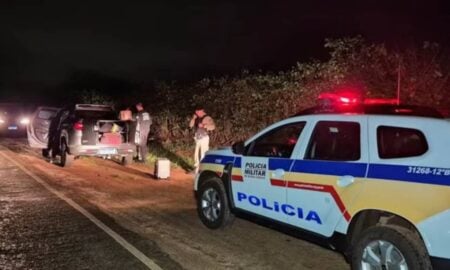
Upon receiving reports and viewing the circulated video, the Minas Gerais Military Environmental Police wasted no time in initiating investigative procedures. Their initial efforts focused on tracing the origins of the video and identifying the individuals depicted in the distressing footage. This often involves a combination of digital forensics, witness testimonies from the local community, and collaboration with social media platforms to gather relevant data. The efficiency of the police in pinpointing the suspects demonstrates a well-established protocol for responding to reports of animal abuse.
During the course of the police inquiry, the two men involved were successfully identified, and one of them subsequently admitted to performing the act. This confession provided a crucial piece of evidence, solidifying the charges against them and streamlining the legal process. The prompt admission of guilt can sometimes influence the trajectory of administrative and criminal proceedings, though it does not negate the severity of the offense itself, which remains a focal point for prosecutors.
Penalties under Brazil’s animal protection laws
Brazilian law, particularly federal legislation such as Law No. 9.605/1998 (Environmental Crimes Law) and its more recent amendments, imposes stringent penalties for acts of animal cruelty. These regulations have been significantly reinforced in recent years, including updates and clarifications for 2025, to deter such abuses and ensure greater protection for animals. Individuals found guilty of animal mistreatment can face a range of consequences, including substantial fines that are often scaled according to the severity of the act and the financial capacity of the offender. Moreover, the law provides for imprisonment, with sentences potentially ranging from two to five years, in addition to fines and the prohibition from caring for animals again. These legislative measures reflect a clear commitment from the Brazilian government to safeguard animal welfare and hold perpetrators accountable, marking a progressive stance on animal rights within the country’s legal framework.
The mule’s condition and ongoing care
Following the intervention, authorities ensured the mule’s immediate well-being was assessed by veterinary professionals. The Minas Gerais Military Environmental Police confirmed that, despite the distressing incident, the animal was found to be in good physical condition. This prompt check-up is a standard procedure in animal cruelty cases to ensure that any potential harm, visible or internal, is identified and addressed without delay. The animal’s welfare remains a priority for the authorities involved.
Ongoing monitoring and care arrangements are being put in place to ensure the mule’s continued health and safety. While specific details about its long-term placement are often handled discreetly, measures are typically taken to remove the animal from any potentially harmful environment and place it under the care of responsible individuals or animal welfare organizations. This commitment to the animal’s post-incident welfare is a crucial aspect of enforcing animal protection laws and preventing future abuse.
Public outrage fueled by viral footage
The viral spread of the video across social media platforms played an instrumental role in bringing this case to the attention of authorities. Within hours of its initial upload, the footage garnered thousands of views, shares, and comments, rapidly turning into a focal point of public indignation. This immediate and widespread condemnation from the online community underscores the power of digital platforms in mobilizing public opinion against animal cruelty. The incident swiftly sparked conversations about ethical treatment of animals.
Users expressed widespread shock and anger, demanding swift justice for the animal and severe penalties for the perpetrators. Many shared personal stories of animal abuse or advocating for stronger animal protection measures, turning the comment sections into a forum for collective activism. The sheer volume of negative reactions served as a clear indicator of society’s low tolerance for such blatant acts of cruelty against defenseless creatures. This public pressure exerted through digital means often compels law enforcement agencies to prioritize and expedite investigations into such matters.
The incident highlights a growing trend where citizen journalism and social media activism effectively complement traditional law enforcement efforts in uncovering and addressing instances of animal abuse. Without the public’s quick action in sharing and reporting the video, the incident might have gone unnoticed, allowing the perpetrators to evade accountability. This collective digital vigilance reinforces the idea that communities can play a significant role in promoting animal welfare.
Administrative and criminal proceedings
In direct response to the evidence and confessed actions, several administrative and criminal measures have been appropriately taken against the identified individuals. Administratively, the Minas Gerais Military Environmental Police issued an Environmental Infraction Notice, detailing the specific violations committed under environmental legislation. This notice typically includes an assessment of a fine, which can be substantial depending on the gravity and specific nature of the animal abuse. Such administrative actions serve as an immediate consequence for environmental and animal welfare breaches.
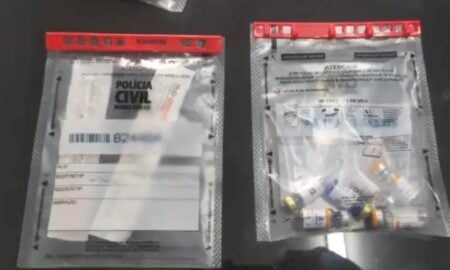
Concurrently, the occurrence has been formally forwarded to the Civil Police for criminal investigation. The Civil Police will conduct further inquiries, gather additional evidence, and officially charge the individuals under the relevant criminal statutes pertaining to animal cruelty. Their role is pivotal in building a robust case for prosecution, ensuring that all legal parameters are met before the matter proceeds to court. This two-pronged approach, encompassing both administrative and criminal pathways, ensures comprehensive accountability.
Furthermore, the case has been submitted to the Public Prosecutor’s Office, an independent legal body responsible for defending public interest, including animal rights. The Public Prosecutor will review the evidence compiled by both police forces and decide on the appropriate criminal charges, ultimately leading the prosecution in court. This ensures that legal action is pursued rigorously and impartially, seeking justice for the animal and upholding the integrity of animal protection laws.
Broader context of animal welfare
This incident, while specific, fits into a broader national and international conversation about animal welfare and the need for continuous vigilance and education. Organizations and governmental bodies consistently advocate for responsible animal ownership, humane treatment, and the prevention of all forms of cruelty. Ongoing campaigns and legislative efforts are crucial to foster a culture of respect and compassion towards all living beings, reflecting society’s evolving ethical standards regarding animal rights and protection.
Fostering responsible animal care
Promoting responsible animal care practices is paramount to preventing such incidents. Education initiatives, public awareness campaigns, and community engagement programs are vital tools in fostering empathy and understanding regarding animal needs. By reinforcing ethical standards and providing resources for proper animal management, authorities and civil society can work collaboratively to create environments where all animals are treated with dignity and respect.
animal cruelty, Minas Gerais, mule abuse, animal protection laws, Brazil animal welfare