
NASA postpones Artemis II until March after hydrogen leak in crucial dress rehearsal

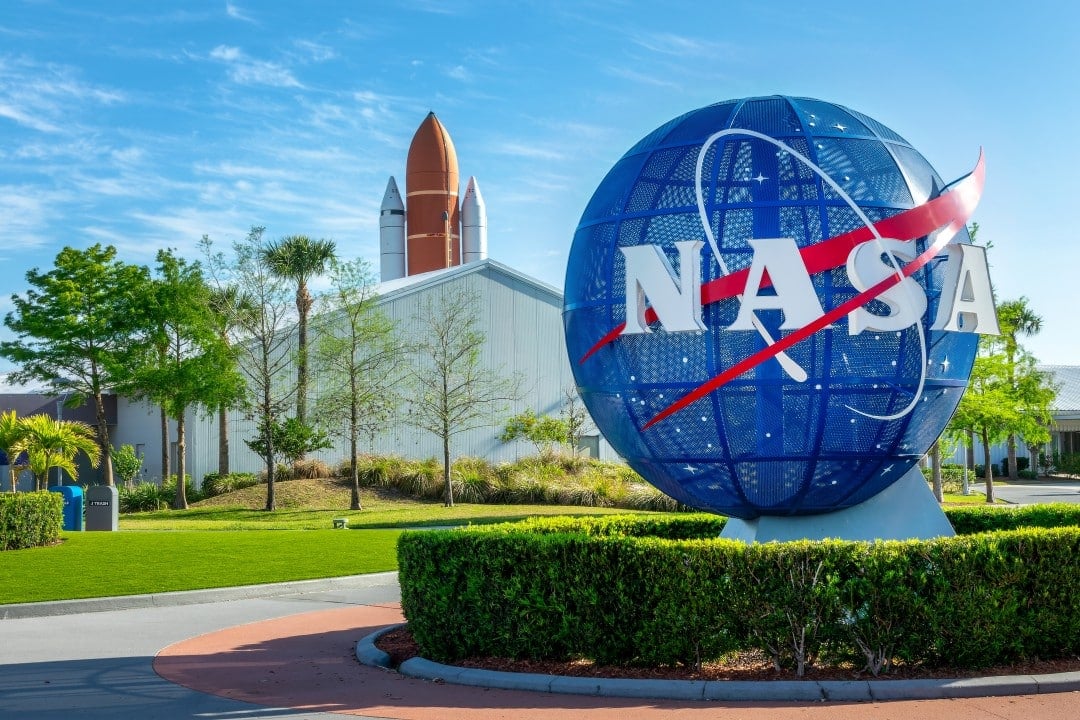
The North American space agency (Nasa) announced, this Tuesday (February 3, 2026), the postponement of the launch of the Artemis II mission, which now has March as its earliest date. The decision came after the identification of a liquid hydrogen leak during the general test carried out the previous day, at Centro Espacial Kennedy, at Flórida. Esse test, known as wet dress rehearsal, simulated the complete countdown and refueling of the Space Launch System (SLS) rocket. The outage occurred just minutes before the scheduled end when leak rates exceeded allowable limits at the service mast interface.
The Artemis II mission will mark the return of astronauts to an orbit around Lua after more than 50 years since the Apollo program. Quatro crew members will participate in an approximately 10-day flight, testing critical systems of the Orion capsule. The administrator of Nasa, Jared Isaacman, reinforced that the tests exist precisely to detect anomalies before the actual flight.
Details of the interrupted trial
The dress rehearsal began with the filling of cryogenic propellants into the SLS rocket. Equipes monitored the flow of liquid hydrogen to the core stage, but detected a leak in the connection to the service mast.
The procedures were paused twice for technical evaluation. Apesar of correction attempts, the countdown ended at T-5 minutes and 15 seconds, without completing the full simulation.
Immediate impact on operations
Nasa suspended the February launch window shortly after testing ended. The astronauts, who had been in quarantine since January, were temporarily released.
The agency plans to analyze data collected to determine needed repairs. A new rehearsal attempt may be scheduled before confirming dates in March.
Crew selected for the mission
Artemis II will have four experienced astronauts, representing international cooperation.
- Reid Wiseman (NASA): mission commander, with previous space station experience.
- Victor Glover (NASA): pilot, first black man to participate in a manned lunar flight.
- Christina Koch (NASA): mission specialist, record holder for female stay in space.
- Jeremy Hansen (Agency Espacial Canadense): mission specialist, first Canadian to fly beyond low orbit.
This composition reflects diversity and partnership between space agencies. The crew has undergone intensive training in recent years, including simulations in the Orion capsule.
Technical objectives of Artemis II
The mission will test the Orion capsule in a deep space environment. The flight will include a round-trip trajectory to Lua, without landing on the surface.
Life support systems will be assessed during the 10-day duration. The Orion will perform translunar insertion and return maneuvers to the Terra.
SLS rocket components
The Space Launch System is the most powerful rocket ever developed by Nasa. Seu core stage uses four RS-25 engines, inherited from the space shuttle program.
Solid fuel side thrusters provide initial thrust. Full integration occurred on Vehicle Assembly Building prior to transport to platform 39B.
Preparations at Centro Espacial Kennedy
The rocket was transferred to the platform in January 2026. Temperaturas casualties on Flórida had already caused small adjustments to the initial schedule.
Ground teams carried out final checks on the supply systems. The dress rehearsal represented the last major simulation before the actual launch.
Recent history of program Artemis
The unmanned Artemis I mission took place successfully in 2022, validating the SLS and Orion. Dados from that mission influenced adjustments to the heat shield for manned flights.
Artemis II serves as an essential step before lunar landing attempts planned for later missions. Parcerias with private companies and international agencies support continuous development.
Planned trajectory around Lua
The mission will follow a hybrid orbit that maximizes fuel efficiency. Após the launch, Orion will separate from the upper stage and begin transit to Lua.
The furthest point will reach around 64 thousand kilometers beyond Lua. Lunar gravity will assist in the return maneuver to Terra.
Atmospheric reentry will test the heat shield at high speeds. The capsule will land at Oceano Pacífico, with recovery by naval teams.
Orion capsule systems
The Orion has a pressurized crew module and a European service module. Painéis solar panels provide energy during the flight.
Onboard computers manage real-time navigation and communications. The launch abort system remains active in the early phases.
Next steps after postponement
Engineers will review service mast connections to eliminate leaks. Additional Testes may occur in the coming weeks.
Nasa will publish a new schedule as soon as it completes analyses. Janelas launches in March and April remain available, depending on orbital conditions.
Crew safety remains an absolute priority in all decisions. The Artemis program moves forward based on lessons learned at each preparation phase.



