
New theory points to methane eruptions at the bottom of the sea as the cause of disappearances in the Bermuda Triangle

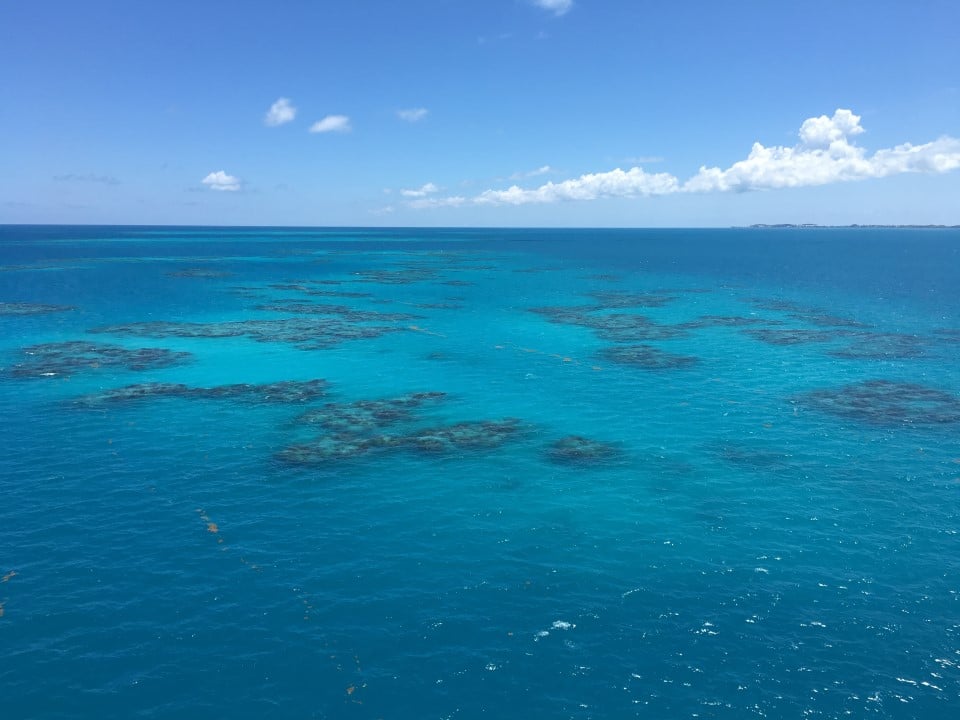
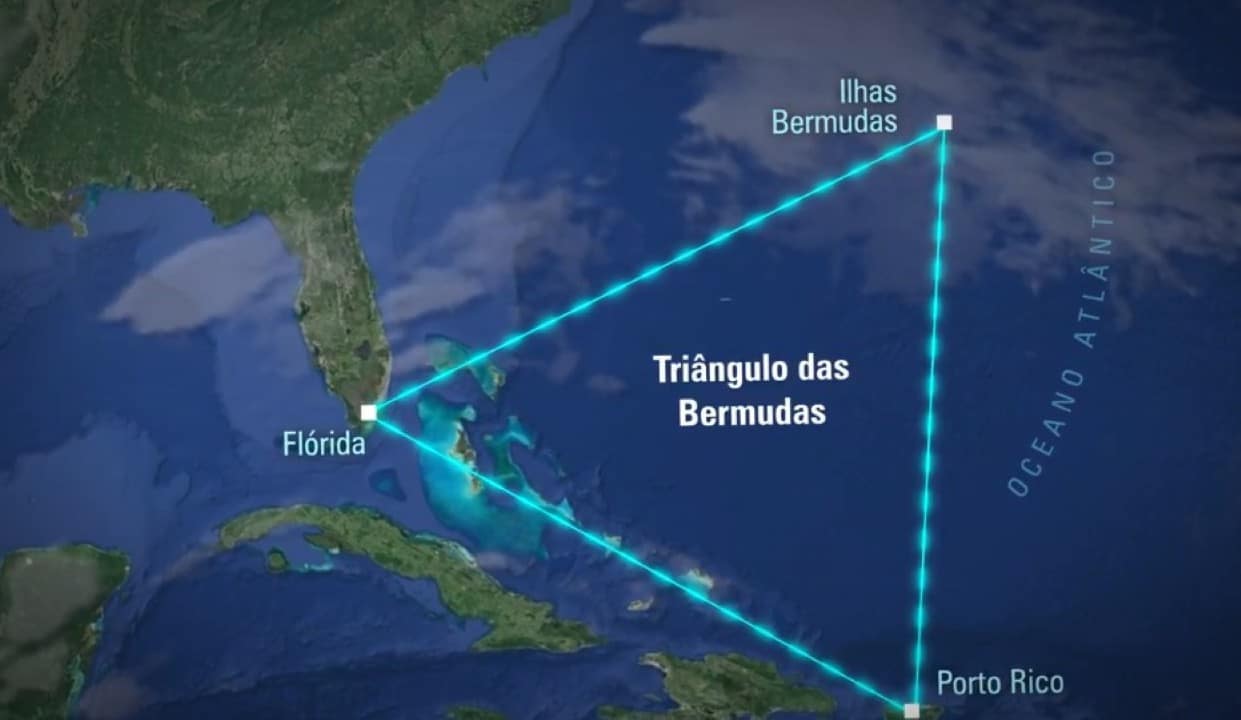
A new scientific hypothesis gained prominence by proposing that eruptions of methane gas from the ocean floor explain the disappearances of ships and aircraft in the region known as Triângulo das Bermudas. The Essa area, approximately delimited by the points of Miami, Bermudas and San Juan, recorded dozens of incidents throughout the 20th century without leaving a trace. Pesquisadores indicate that the phenomenon may have been more intense in the past and have decreased in recent decades.
The theory centers on methane hydrates, ice-like structures that store large amounts of gas on the seabed. Quando destabilized by changes in pressure or temperature, these deposits release massive bubbles of methane that rise to the surface. Essa release drastically reduces water density, compromising the buoyancy of vessels.
The gas can also reach the atmosphere in high concentrations, interfering with the operation of aircraft engines flying at low altitude. Especialistas observe that similar events occur in other oceanic regions, but the specific geological configuration of the area may have favored occurrences concentrated in historical periods.
- Reduction in water density causes immediate loss of lift for ships.
- Methane concentration in the air affects combustion in aircraft engines.
- The absence of wreckage is due to the rapidity of the sinking in deep waters.
- Recent decrease in cases suggests stabilization of submarine deposits.
Origin of the methane eruption hypothesis
Methane hydrates form under high-pressure, low-temperature conditions typical of the ocean floor. Esses compounds store significant volumes of gas from the decomposition of organic matter accumulated over millennia. Alterações geological or climatic conditions can trigger the destabilization of these deposits.
When methane is released in large quantities, it forms plumes that alter the physical properties of the water column. Navios that cross these zones lose support abruptly and sink without the opportunity to issue distress signals. The speed of the process explains the absence of emergency messages in many historical records.
Impact on maritime vessels
The loss of water density prevents ships’ hulls from maintaining normal buoyancy. Testes laboratories demonstrate that high concentrations of gas bubbles reduce the support capacity by up to 40%. In extreme cases, large vessels can disappear in minutes.
The continuous release of methane also generates turbulence on the sea surface. Essa condition makes rescue operations difficult and contributes to eventual debris being dispersed by ocean currents. Autoridades maritime reports that areas with known deposits present similar risks in other parts of the world.
Effects on low-flying aircraft
Aircraft operating close to the surface can suck in the released methane gas. Essa contamination alters the air-fuel mixture in engines, causing sudden failures. Pilotos lose control before identifying the source of the problem.
Methane is flammable in certain concentrations, increasing the risk of accidental ignition. Registros of commercial flights avoid low-altitude routes over suspected regions precisely as a precaution against local atmospheric phenomena. The combination of factors makes the total loss of radio contact in several incidents explainable.
Decline observed in recent incidents
The number of reported disappearances has decreased significantly since the mid-20th century. Pesquisadores attribute this reduction to the possible stabilization of hydrate deposits in the region. Mudanças under natural geological conditions the period of greatest activity would have ceased.
Heavy sea and air traffic in the current area does not record abnormal accident rates compared to other busy ocean routes. Avanços in navigation and communication technology also contribute to greater overall safety. The hypothesis suggests that the phenomenon was temporary and specific to certain decades.
Notable historical incidents
The disappearance of the USS Cyclops in 1918 remains one of the most documented cases. The American Marinha ship was carrying 306 crew members and a cargo of manganese when it disappeared without sending signs of distress. The route directly crossed the central region of the triangle.
In 1945, Voo 19 involved five torpedo planes that departed Fort Lauderdale for training. Pilots reported confusion with navigation instruments before losing contact. Buscas subsequent visits failed to locate wreckage despite favorable weather conditions.
Other episodes include merchant ships disappearing with entire cargoes. Consistent Relatos describe sudden loss of communication followed by complete silence. Investigações officials classify many cases as likely victims of extreme environmental conditions.
Complementary geological evidence
Research in other oceanic regions has identified craters formed by ancient methane eruptions. Estudos in Mar of Norte and on the coast of Noruega reveal formations similar to those hypothesized in western Atlântico. Essas findings reinforce the plausibility of the proposed mechanism.
Seismic mapping detects layers of hydrates on several continental shelves. The concentration varies depending on local geology and the historical accumulation of organic sediments. Análises indicate that massive releases occurred in prehistoric periods in multiple locations.
Official position of maritime authorities
Guarda Costeira of Estados Unidos maintains that there is no evidence of extraordinary risk in the region. Estatísticas comparisons show incident rates equivalent to other high traffic areas in Atlântico. Muitos cases attributed to the triangle involve conventional explanations such as storms or mechanical failures.
Marine insurance companies do not apply different rates for routes that cross the area. Lloyd’s of Londres classifies risk as standard for global ocean navigation. Autoridades emphasize that notoriety arises more from sensationalist reports than from objective data.
Historical context of the enigma
The region gained public attention from the 1950s onwards with publications that compiled cases of disappearances. Artigos in specialized magazines popularized the term Triângulo from Bermudas and associated isolated incidents. The lack of immediate explanations fueled varied speculation.
Reports from 19th century navigators already mentioned strange phenomena such as lights on the horizon. Cristóvão Colombo recorded variations in compasses during his crossing in 1492. Esses initial records contributed to the construction of the legend over the centuries.
Other scientific explanations considered
Rogue waves represent another relevant environmental factor in the region. Essas giant waves appear suddenly and reach heights of more than 30 meters. Navios of any size can be surprised and suffer irreversible structural damage.
Local magnetic variations affect traditional compasses at certain points. The difference between magnetic and true north requires constant corrections in navigation. Erros humans interpreting instruments explain disorientation reported on several flights.
Extreme weather conditions occur frequently in the western Atlântico. Furacões and tropical storms generate intense winds and zero visibility. Muitos incidents coincide with passages of recorded low pressure systems.



