
Strong cold air mass surprises Tokyo with low temperatures and expectation of snow in the plains

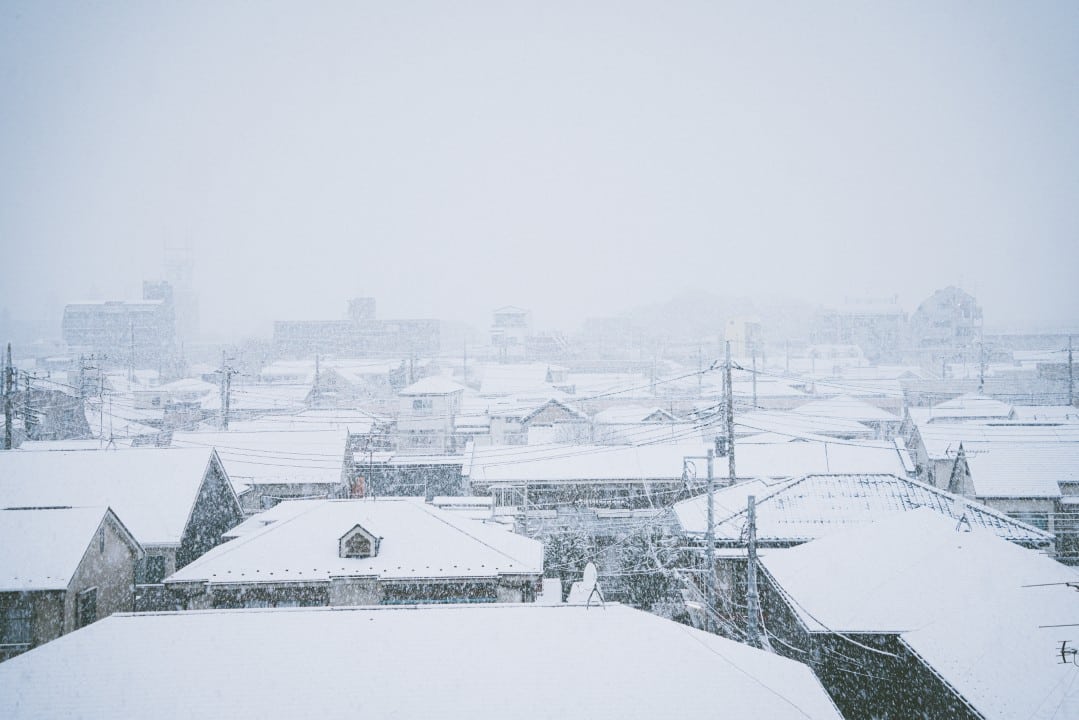
Tokyo and much of Japão are preparing for a week of intense climate fluctuations, with the capital experiencing a sharp drop in temperature this weekend, after a brief period of spring-like warming. Meteorologistas warn of the formation and displacement of cold air masses that could bring snow to flat areas and a significant return of the harsh winter. The abrupt change in climate raises concern, especially for students during exam period, who must pay extra attention to their health.
The Japanese capital recorded a decrease of almost 10 degrees Celsius in its daily temperature, marking the return of the typical mid-winter cold. Essa sudden change requires residents to adapt quickly to climatic conditions to avoid health problems. From Wednesday, February 4th, the country will experience even more pronounced thermal variations, with a projection of a new sharp drop between Friday and Saturday at Tóquio.
Unexpected return of harsh winter in the capital
After a brief period of milder temperatures, which even suggested the early arrival of spring, Tóquio is once again under the control of a cold front. Forecasts indicate that this drastic change will occur between February 6th and 7th, when the cold air mass will intensify. The phenomenon is expected to significantly impact daily life in the city, which is used to drier winters but is occasionally susceptible to snowfall.
The strong cold front that will move north on February 4th is one of the main factors for this change. Embora initially brings a decrease in the intense cold, with mild temperatures until the 6th, the situation quickly reverses. The expected maximum of 15°C on Tóquio on Friday, comparable to the end of March, will be followed by a thermal shock.
- Cold front:Deslocamento fast north on February 4th.
- Mild temperatures:Persistem until February 6, with a maximum of 15°C in Tóquio.
- Cedar Pollen:Possível dispersion in Kanto, Tokai, Kinki and Kyushu due to heat.
This brief warming may also cause the dispersion of small amounts of cedar pollen in regions such as Kanto, Tokai, Kinki and Kyushu. Para For those who suffer from allergies, it is crucial to take precautions, even with the forecast for the return of intense cold. The sudden variation in the climate is a factor of public health attention in several regions of the Japão, not just in the capital.
Impact of low temperatures and health alerts
The abrupt change in climatic conditions poses an increased risk to the health of the population. Public health experts warn of the increase in cases of flu, colds and other respiratory illnesses, common in periods of thermal instability. The elderly population and children are considered the most vulnerable groups to these variations.
Furthermore, the recommendation for students preparing for exams is to pay extra attention, avoiding unnecessary exposure to the cold and maintaining a balanced diet. Concentration and academic performance can be directly affected by health conditions, making prevention even more vital during this period. Medidas simple things like wearing appropriate clothing, constant hydration and avoiding crowds are essential to maintaining immunity.
Cold air mass details and regional forecasts
The formation and passage of a low pressure system over Hokkaido on Friday, the 6th, will trigger a typical winter atmospheric pressure pattern across the Japanese archipelago. A powerful mass of cold air, originating from the upper layers of the atmosphere, will begin to move south, covering a vast expanse of the territory. Este meteorological phenomenon is crucial to the intensity of the expected cold.
The peak of this cold air mass is expected to occur between Saturday, the 7th, and Sunday, the 8th of February. Durante this period, if there is precipitation, the freezing air, with temperatures of -6°C at an altitude of 1,500 meters, will extend from Hokkaido to Kyushu. Essa broad coverage of cold air considerably increases the probability of snow, even in traditionally less affected regions.
- Hokkaido:Sistema of low pressure on Friday (February 6).
- Winter Pattern:Abrange all of Japão.
- Peak of cold:Entre February 7th and 8th.
- Snow on the Plains:Esperada with precipitation and cold air of -6°C at 1,500m.
The maximum temperatures projected for Sunday, the 8th, reflect the severity of the cold: Sapporo at -3°C, Tóquio at 5°C, Osaka at 4°C and Fukuoka at 4°C. Naha, in Okinawa, despite being the southernmost region, will also feel the impact with 14°C, an unusual temperature for the location. Essa scope demonstrates the strength of the weather system in action and the need for preparation in all spheres.
Snow preparation and urban care
The possibility of snow in the flat areas of Tóquio and other major Japanese cities requires adequate preparation on the part of authorities and citizens. Mesmo If the amount of snow is small, it can cause disruption to public transport and road traffic. The capital’s transport system, one of the most efficient in the world, tends to operate cautiously in adverse conditions.
Preventive measures include salting streets and sidewalks in areas at higher risk, as well as constant communications about road conditions. Residents are advised to check train and bus timetables before heading out and, if possible, avoid non-essential travel. Coordination between emergency services and the population is essential to ensure everyone’s safety.
Climate variations and the unpredictable nature of winter
Winter in Japão is known for its variations, especially with the influence of air currents from the Asian continent. However, extreme fluctuations like those predicted for this week highlight the dynamic nature of weather and the importance of preparedness. The forecast return to normal temperatures around Tuesday the 10th offers a glimmer of relief, but does not lessen the need for immediate caution.
These fluctuations serve as a reminder of the importance of always being up to date with weather information. Authorities continue to monitor the situation closely, issuing alerts and recommendations to ensure the safety and well-being of citizens. Japanese experience in dealing with extreme weather phenomena is a factor that contributes to the population’s resilience in the face of such events.



