
Unprecedented technical problems in Audi F1 worry Binotto on the eve of Bortoleto’s debut

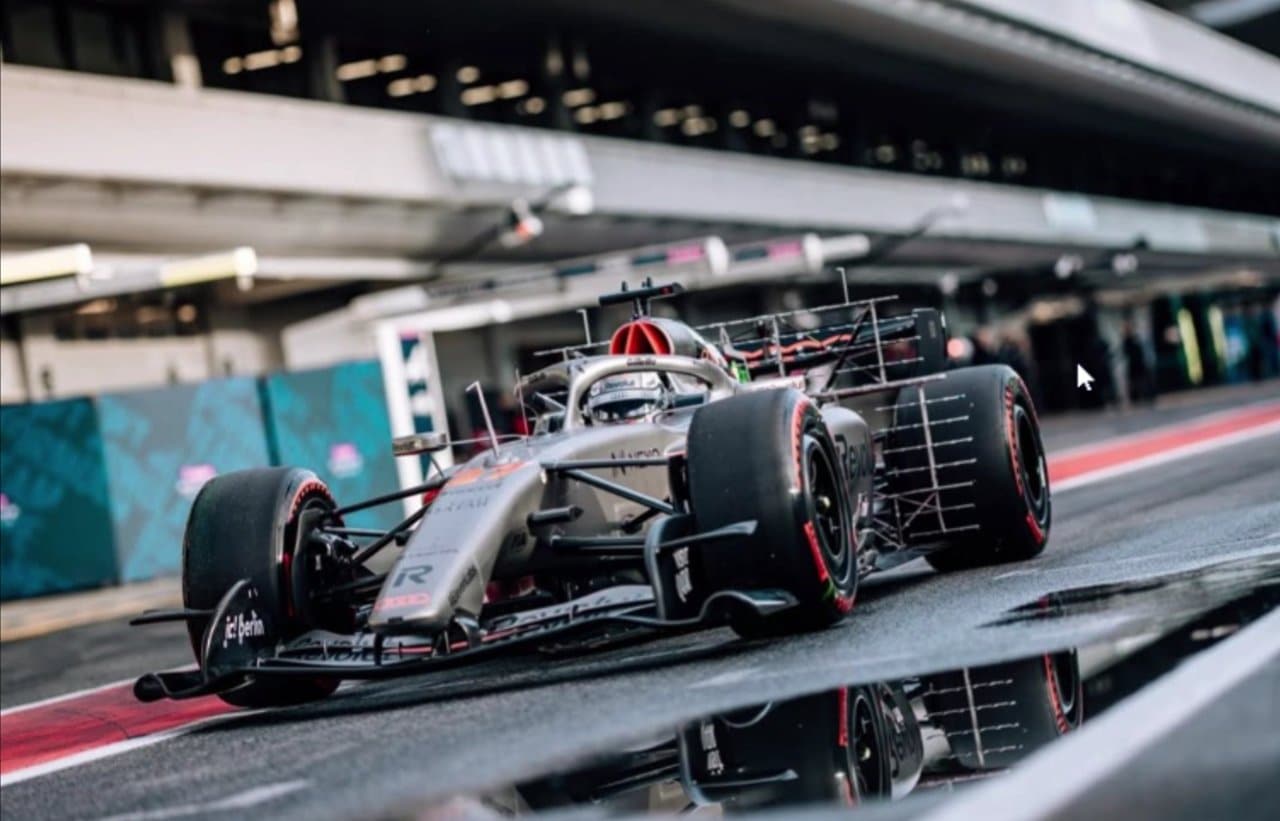
Audi’s project for Fórmula 1 faces its first major obstacle before the season even begins. Mattia Binotto, team principal, revealed significant concern about the number of technical faults found in the new car, the R26, during initial testing at Barcelona. The situation raised an alarm in the German team, which is preparing for the debut of the Brazilian driver Gabriel Bortoleto in the main category of world motorsport.
The track activities at Espanha were marked by constant interruptions and mileage much lower than expected for both drivers. Binotto, with extensive experience in F1, especially in his time at Ferrari, publicly stated that he had never come across such an extensive list of problems in an early phase of development, indicating the complexity of the challenge that Audi faces.
The team is now racing against time to resolve the multiple bottlenecks identified, ranging from the reliability of the new power unit to integration issues with the chassis inherited from the Sauber structure. The immediate focus is not on performance, but on ensuring that the car can complete long distances without failing, a basic requirement for continued development.
243 laps this week. Lots learned.#audif1Barcelona competes ✅pic.twitter.com/JUxhzsjnxT
—Audi F1 Racing Team (@audi_f1stars)January 30, 2026
Structural and technical challenges in preparing for Audi
The transition from Sauber to the Audi factory team is proving more complex than anticipated. The integration between the base at Hinwil, at Suíça, responsible for the chassis, and the engine department at Neuburg, at Alemanha, is a monumental logistical and technical challenge. Cada component needs to work in perfect harmony, and the first tests exposed gaps in this communication.
The difficulties were not limited to a specific area of the car. Foram reported problems in the cooling system, electronic failures that affected data communication and inconsistencies in the aerodynamic behavior of the R26. Essa diversity of issues requires a multifaceted approach from the engineering team, which works on several fronts simultaneously.
A baptism of fire for Gabriel Bortoleto
For Gabriel Bortoleto, the situation represents a challenging start to the journey in Fórmula 1. The Fórmula 3 champion, who arrives in the category with great expectations, had his track time severely limited. On the first day of testing, the Brazilian completed just 27 laps before a mechanical failure ended his activities prematurely, depriving him of valuable adaptation experience.
Despite the setback, Bortoleto has been praised internally for its maturity and the quality of technical feedback provided to engineers. Ele understands that the Audi’s debut year will be focused on building a solid foundation, and its main contribution at this time is helping the team identify and resolve the reliability issues that plague the single-seater.
The Brazilian driver maintains a calm posture, focusing on working together with the team to overcome adversity. Patience will be crucial, as significant results may take a while to appear while Audi stabilizes its operation and new equipment.
The expectations of the Brazilian public remain high, but now with a dose of realism about the initial difficulties that a new factory project faces in the competitive Fórmula 1.
The pragmatic view of Mattia Binotto
Mattia Binotto’s transparency in admitting the extent of the problems was seen as a strategy to manage external and internal expectations. Instead of hiding the difficulties, the Italian leader prefers to face them openly, highlighting that identifying so many flaws at this initial stage can be beneficial in the long term. Segundo him, it is better to discover and correct errors now than to suffer from breakdowns during race weekends.
Binotto emphasized that the absolute priority is reliability. The team is focused on building a robust car that can finish races consistently. Apenas With a reliable base, it will be possible to start working on developing performance and extracting the full potential of the new Audi engine, which is the centerpiece of the German automaker’s entire project for the category.
The crucial role of Nico Hulkenberg
Alongside newcomer Bortoleto, Nico Hulkenberg’s experience becomes even more valuable. The German pilot, with hundreds of Grandes Prêmios under his belt, also faced problems during his sessions, but his ability to diagnose faults and guide engineers is essential to speed up the solution process. Hulkenberg managed to accumulate greater mileage on the second day, providing essential data on the car’s behavior over longer stints. Sua calmness and technical knowledge are important assets for the team to navigate this turbulent period, serving as a mentor to Bortoleto and a reference for the engineering team.
Intensive testing schedule on Bahrein
With the problems identified in Barcelona, Audi’s attention turns fully to the next collective testing sessions in Bahrein. The team will have an intensive work schedule at the factory to produce updated parts and implement software fixes in time to ship them to the Sakhir circuit. The two desert testing windows, scheduled for mid-February, will be crucial to validate the solutions and verify whether the reliability of the R26 has effectively been improved. The objective is to reach the first Grande Prêmio of the season with a car capable of, at the very least, completing the race distance without unforeseen mechanical problems, allowing Bortoleto and Hulkenberg to begin to accumulate experience and vital data for the future.
Expectations for the debut season
Audi’s journey to Fórmula 1 is just beginning, and the initial challenges serve as a reminder of the magnitude of the undertaking. The German team has a long-term commitment to the series and understands that the learning curve is steep, especially when developing its own power unit under entirely new technical regulations.
The goal for the inaugural season is clear: build, learn and evolve with each race. Success will not be measured by podiums or immediate victories, but by the team’s ability to transform the extensive list of problems into a track record of robust solutions, paving the way for competitiveness in the following years.



