
WhatsApp ends support for 30 cell phone models starting in February


WhatsApp, recognized as the most used messaging application in the country, periodically updates the minimum operating system requirements for the operation of its platform. One of the most recent revisions resulted in the discontinuation of support for around thirty smartphone models that no longer meet the technical requirements.
This measure, although it generates apprehension among users, reflects an ongoing company policy, which seeks to ensure security, performance and compatibility with new resources. The decision aims to protect user data and maintain the application’s functionality in constant technological evolution.
For millions of people who depend on the service daily, understanding the implications of this update is essential to avoid interruptions in access and ensure continuity of communications. Ações preventive measures can be taken to minimize any inconvenience.
The update cycle and support policy
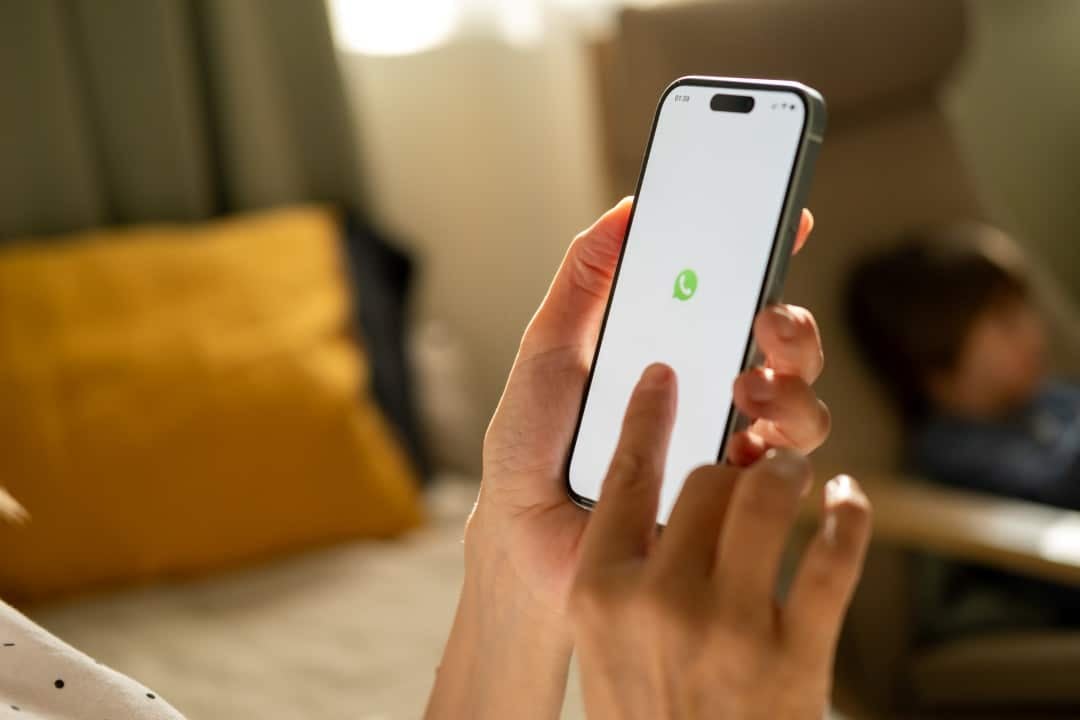
Stopping support for older devices is a common practice in the technology world, adopted by large software developers. The main objective is to ensure that the application can incorporate new functionalities and, above all, maintain a high standard of security against vulnerabilities. Sistemas Outdated operating systems no longer receive security patches from manufacturers, making them easier targets for cyberattacks and malware.
By ending compatibility, WhatsApp ensures that the user experience is optimized, preventing performance failures, slowness and instability. Essa strategy allows the platform to focus its resources on developing for the latest versions of operating systems, providing a more robust and efficient tool for the majority of its users.
Which devices lose access and why
The devices affected by this recent wave of deactivations are those that operate with older versions of operating systems, which no longer receive critical security and performance updates. Conforme company policy, when a device no longer meets the minimum requirements, the application stops working completely, preventing sending, receiving and accessing messages and content.
This list covers smartphones launched more than a decade ago, including iconic models that were part of the history of mobile telephony. Entre include devices such as the Samsung Galaxy S3, S4 and S5, some of the first in the popular line; Motorola Moto G and Moto E of the first generation, which popularized entry-level smartphones; and LG Optimus L3, L5 and L7, which marked the brand’s presence in the market.
In the Apple universe, iPhones from the 5, 5c, 5s, 6 and 6 Plus lines are also in this situation, representing previous generations of the brand’s devices. Outros manufacturers, such as Sony, Huawei and HTC, also had older models listed, covering a wide range of devices that in their time were popular with consumers.
Currently, the app requires smartphones to run Android 5.0 or higher, or iOS 15.1 or newer versions for iPhones. Essa standardization allows the development team to focus efforts on optimizing for more modern systems, which have more advanced processing capacity and security features.
The impact of technological obsolescence on everyday life
Technological obsolescence, manifested by the interruption of support for older devices, has a direct and significant impact on users’ lives. Além the impossibility of using essential applications such as WhatsApp, the lack of security updates leaves devices vulnerable to a series of risks, including data theft, virus infection and loss of personal and financial information. The user experience is severely compromised by slowness and constant failures.
These devices, as they are no longer compatible with the latest software innovations, also lose the ability to access new services and functionalities that appear on the market. Muitos banking, transportation and productivity applications, for example, require updated operating systems to ensure the necessary integration and security. Ignorar warnings about the end of support may result in a gradual disconnection from the digital environment.
The population’s growing dependence on smartphones for everyday activities, from personal communication to commercial transactions, amplifies the relevance of keeping the equipment up to date. Quando a device becomes obsolete for a massively used application like WhatsApp, the need for replacement becomes urgent, generating an unexpected cost for many consumers.
Recommendations and alternatives for affected users
For users who have one of the affected cell phone models, the main recommendation is to immediately check if there is an operating system update available for the device. In some cases, an update may extend compatibility for a limited time, although it is a temporary solution. Essa checking is usually done in the device settings, in the “Software update” or “About phone” section.
If there are no more updates available, the safest and most effective alternative is to back up WhatsApp conversations and media to the cloud. Tanto or Google Drive to Android and iCloud for iOS offer storage options to protect your message history. Após the backup, the user must migrate to a compatible device that meets the application’s minimum requirements.
Purchasing a new or newer smartphone that supports the required versions of Android or iOS is the ultimate solution. When choosing a new device, it is advisable to opt for models that already come with updated operating systems and that have a good history of supporting future versions, thus ensuring greater longevity of use and compatibility with essential applications.
The importance of digital security in the age of applications
WhatsApp’s decision to discontinue support for older operating systems underscores the growing importance of digital security in the age of apps. With the volume of personal information and financial transactions carried out via smartphone, keeping your software up to date is a crucial line of defense against cyber threats. Versões Outdated operating systems and applications are prime targets for hackers due to known and unpatched vulnerabilities.
Ensuring a safe environment not only depends on the application developer, but also on the user’s responsibility to keep their device and software up to date. Essa Collaboration between platform and user is essential to protect privacy and data integrity in an increasingly complex and interconnected digital landscape.
User technological planning and adaptation
In a scenario of constant technological evolution, planning the useful life of electronic devices becomes a crucial aspect for consumers. Awareness of the software lifecycle and the need for periodic updates can help mitigate surprises, such as the retirement of essential applications. Considerar future compatibility when purchasing a new smartphone is a smart move.
The market offers a wide range of options for different budgets, allowing users to find a device that fits their needs and is compatible with the latest application requirements. Technological adaptation, therefore, is not just a matter of convenience, but a necessity to stay connected and secure in the contemporary digital environment.



