
Apple’s AirPods Pro 3 revolutionize with heart rate sensors and hearing monitoring

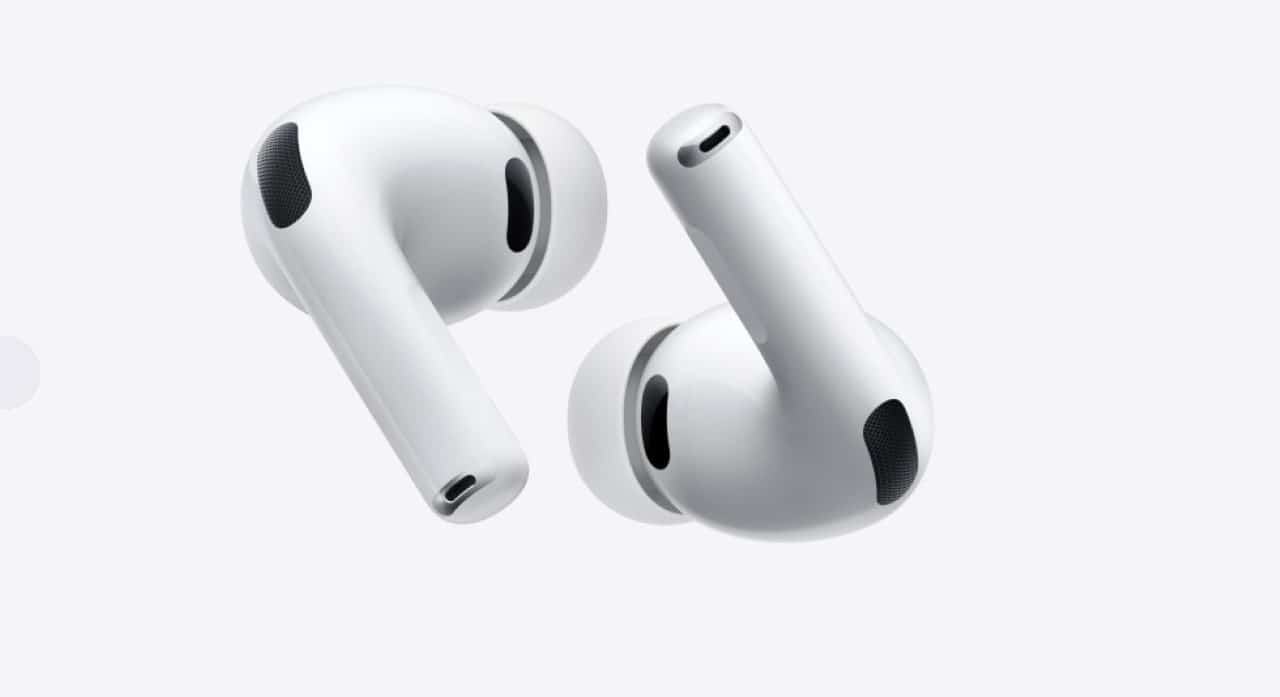
Since their market launch in 2025, the AirPods Pro 3 by Apple have redefined the concept of wireless headphones, integrating health monitoring functionalities previously restricted to wrist-worn devices. Embedded technology allows users to track vital metrics, such as heart rate, and assess hearing health discreetly and continuously, directly through the ear canal.
The device’s main innovation lies in its advanced optical sensors, which transform the audio accessory into a wellness tool. Essa dual approach consolidates Apple’s position in the wearable technology sector, offering a solution that combines high-fidelity entertainment with accurate and actionable health data collection.

Integration with the company’s ecosystem, especially with the Saúde (Health) app on the iPhone, allows the creation of a detailed health profile. The data collected by the headphones is synchronized and analyzed together with other information, providing a holistic view of the user’s fitness and general well-being.
How heart rate measurement works
The technology used to measure heartbeats on AirPods Pro 3 is photoplethysmography (PPG), the same found on the Apple Watch. Sensores optics built into the inside of the headphones emit infrared light that penetrates the skin of the ear canal, an area rich in vascularity and ideal for accurate readings.
This light reflects variations in blood flow with each heartbeat, and sensors capture these reflections hundreds of times per second. An algorithm processes these signals to calculate your heart rate in real time, displaying the data on your iPhone or Apple Watch. The system works passively, recording information during everyday use or more intensely during physical activities.
Hearing health protection and assessment
In addition to heart rate monitoring, AirPods Pro 3 have introduced robust hearing health features. The device is capable of performing simplified hearing tests, emitting tones at different frequencies to assess the user’s hearing sensitivity and generating a report that can be compared to traditional audiograms.
Active noise cancellation has been improved, making it up to twice as effective as the previous generation. Essa functionality not only improves the audio experience, but also protects your hearing by reducing the need to turn up the volume in noisy environments. Internal and external Microfones analyze ambient sound and create opposing sound waves to neutralize it.
The Ambiente Adaptativo mode also plays a crucial role in protection. Ele allows the user to hear their surroundings, but processes and reduces loud and sudden noises in real time, such as sirens or construction, before they reach the ears. The Saúde app alerts the user when sound exposure levels exceed the limits recommended by Organização Mundial of Saúde (WHO).
Synergy with the Apple ecosystem for fitness
For those who practice physical activities, the AirPods Pro 3 have become a fundamental ally. Combining data from the heart sensor with internal accelerometers and gyroscopes allows automatic recognition of different types of exercise, such as running, walking or high-intensity training (HIIT).
During a training session, the headphones continuously monitor your heart rate, providing information about the effort zones reached. Esses data is essential for optimizing performance, ensuring exercise is at the correct intensity, and monitoring post-workout recovery.
Synchronization with the Fitness application and the Saúde is instantaneous, allowing the user to view detailed reports on their performance. The analysis includes heart rate variability (HRV), an important indicator of the body’s stress level and recovery.
Water and sweat resistance, with IP57 certification, ensures the devices perform perfectly even during the most intense workouts or in light rain, offering durability and confidence for use in any conditions.
Design, tuning and the importance of sensor accuracy
The design of the AirPods Correct fit in the ear canal is crucial to the accuracy of photoplethysmography measurements as it ensures constant contact between the sensors and the skin. Para This, the Apple included four sizes of silicone tips in the box (XS, S, M and L), allowing customization that seals the ear in a safe and comfortable way for prolonged use.
The MagSafe charging case, compatible with the Qi standard, offers a combined battery life of up to 30 hours of listening time. A quick five-minute charge in the case is enough to provide around an hour of use, ensuring the earbuds are always ready. The case also has a small speaker to emit sounds that help you locate it using the Buscar (Find My) app, a practical feature for everyday life.
Privacy as a pillar in health data processing
Apple’s approach to managing health data collected by AirPods Pro 3 follows the company’s strict privacy policy, which prioritizes processing on the device itself. Todas sensitive information, such as heart rate and hearing test results, is encrypted and stored locally on the user’s iPhone. iCloud sync, if enabled, uses end-to-end encryption, which means that not even Apple can access this data. Sharing information with third-party applications or healthcare professionals only occurs with the explicit consent of the user, who has full control over who can view their reports. Essa security framework is designed to ensure that wellness metrics remain confidential and under the exclusive domain of their owner, reinforcing confidence in the use of personal monitoring technologies.
Availability and the healthcare wearables market
Available on the Brazilian market since the end of 2025, the AirPods Pro 3 have positioned themselves as a premium product in the audio and wearables segment. Sua’s arrival has intensified competition in the health-focused wearable technology sector, encouraging other brands to explore integrating biosensors into devices that go beyond smart watches. The ability to passively offer health monitoring on a device used daily for music and calls represents a significant step forward in the democratization of wellness tracking.



