
Asus reduces the price of the ROG Ally to US$499 in the US and intensifies the dispute with the popular Steam Deck


The portable PC gaming console landscape has been redefined with a strategic move by Asus into the Estados Unidos. The company announced a significant increase in the value of the ROG Ally, which can now be found for US$499.99 at the country’s main retailers. The $100 reduction positions the device much more competitively, directly targeting the consumer base of its main rival, the Steam Deck, from Valve.
This new price range applies to the entry-level model, equipped with the AMD Ryzen Z1 processor. The measure seeks not only to increase sales volume, but also to make cutting-edge technology more accessible to gamers who wish to run PC and Xbox ecosystem titles in a fully mobile format, without compromising performance.
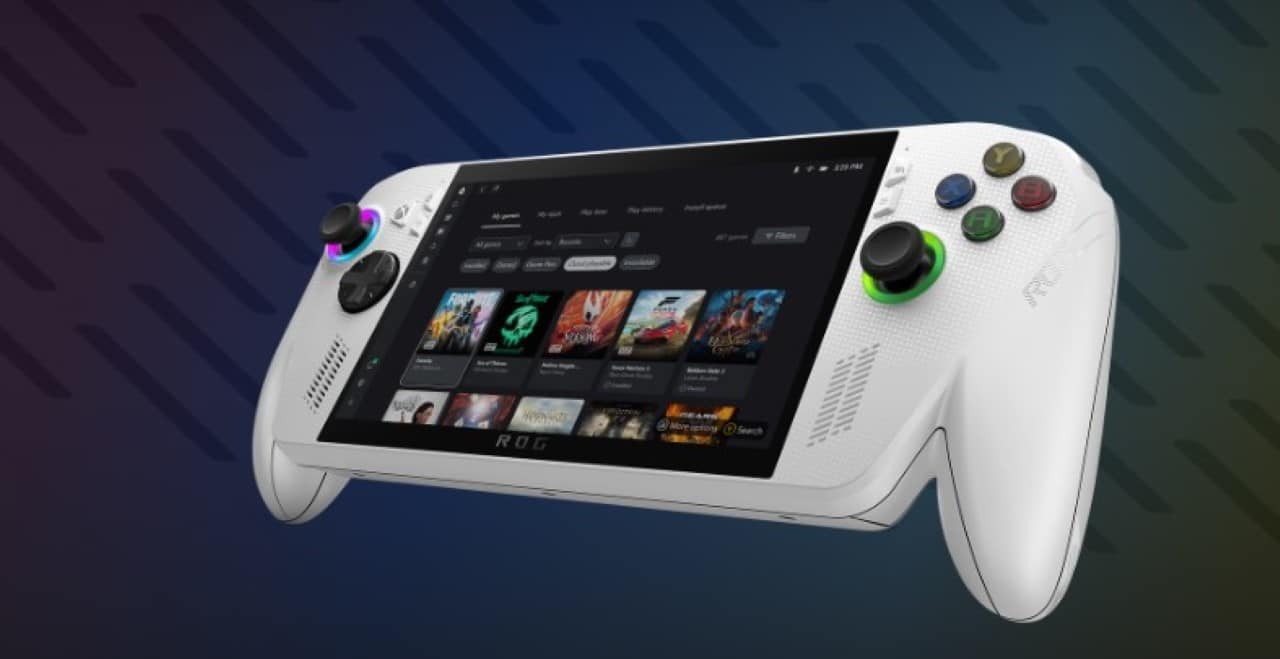
To complement the offer and make it even more attractive, Asus is including a three-month subscription to the Xbox Game Pass Ultimate service. The Essa addition offers immediate access to a vast library of games, reinforcing the brand’s partnership with the Microsoft and consolidating the laptop as a versatile platform from the first moment of use.
Market strategy and the new price level
The approximately 17% reduction in the value of the ROG Ally represents a calculated maneuver by Asus to gain traction in the competitive North American market. By positioning the console below the psychological barrier of US$500, the company aims to attract a segment of consumers that previously considered the investment to be high, expanding its potential user base.
Hardware sector analysts point out that the action has multiple objectives. Além of optimizing the model’s stock movement with the Ryzen Z1 chip, the strategy sets the stage for future updates or new versions of the console. Aggressive pricing also seeks to capture a larger share of the market before periods of high sales volume, such as the holiday season.
The hardware that defines the ROG Ally experience
The ROG Ally stands out in the notebook market for its robust technical specifications, designed to deliver a fluid, high-fidelity gaming experience. The heart of the device is the AMD Ryzen Z1 processor, a custom Unidade of Processamento Acelerado (APU) that balances processing and graphics power with energy efficiency.
To support this APU, the console is equipped with 16 GB of LPDDR5 RAM, which guarantees high speed when executing tasks and loading modern games. Storage is managed by a 512 GB NVMe PCIe 4.0 SSD, technology that offers extremely fast read and write speeds.
The main technical difference, however, is its 7-inch screen with Full HD resolution (1920×1080 pixels) and a refresh rate of 120 Hz. Essa feature, combined with AMD FreeSync Premium technology, eliminates visual artifacts and delivers smoother, more responsive gameplay.
The flexibility of Windows 11 in a portable console
One of the most notable competitive advantages of the ROG Ally is the adoption of the Windows 11 operating system.
With Windows 11, users are not locked into a closed ecosystem. You can install and access virtually any game store available for PC, including popular platforms like Steam, Epic Games Store, GOG, and the EA app.
Native integration with the Xbox ecosystem is a cornerstone of the experience, allowing direct access to the Game Pass PC and its library. The open nature of the system also facilitates the use of emulators, modifications (mods) and other applications.
This software freedom allows gamers to completely customize their experience, installing the programs they prefer and configuring the device beyond gaming, such as for productivity or media consumption, something that more closed operating systems do not allow with the same ease.
Performance in games from indie to AAA
The performance of the ROG Ally demonstrates great adaptability, varying according to the graphical demands of each game. In independent or less demanding titles, such as “Hades” and “Stardew Valley”, the hardware can easily reach the 120 frames per second (fps) mark, making the most of the potential of the high-frequency screen and delivering impressive fluidity.
For last generation or intermediate games, the console maintains stable performance at 1080p resolution with graphics settings between medium and high, often reaching 60 fps. Isso guarantees a high-quality experience, similar to that of an entry-level desktop, but in a format that can be taken anywhere.
In modern, graphically intense AAA games, such as “Cyberpunk 2077” or “Alan Wake 2”, adjustments need to be made to maintain playability. Gamers need to reduce resolution to 720p and graphics settings to lower levels in order to achieve a stable frame rate, a common compromise on portable devices looking to run the latest releases.
Battery and storage as portability challenges
Battery life and storage space are challenges inherent to any high-performance portable console, and the ROG Ally addresses these issues pragmatically. When operating in maximum performance mode to run demanding games, the device’s battery can run out in just over an hour, which requires planning on the part of the user, who will often depend on an external power source for longer sessions. In lower consumption modes, for lighter games or browsing, the duration can be extended considerably, offering greater flexibility of use.
The 512GB internal storage, while fast, can fill up quickly considering many modern AAA games exceed 100GB. To solve this limitation, the device has a microSD card slot compatible with the UHS-II high-speed standard. Essa functionality allows for an expansion of space in a practical and relatively accessible way, allowing users to host a more extensive library of games without the need to frequently uninstall titles.
The direct clash with Steam Deck
The comparison between the ROG Ally and the Steam Deck is inevitable, as both compete for the same audience, but with different philosophies. The Asus console has clear advantages in raw technical specifications, mainly due to its higher resolution screen and refresh rate, and a processor with greater theoretical power. The universal compatibility of Windows 11 is also a big draw for users who don’t want to be limited to the Valve ecosystem and want access to all PC stores and services without restrictions. On the other hand, the Steam Deck stands out for its software optimized for the portable experience. SteamOS, based on Linux, offers a simpler and more straightforward interface, similar to that of a traditional console, and the synergy between software and hardware often results in better battery management in many titles. Valve has also invested heavily in game compatibility through the Proton layer, making the user experience more plug-and-play for titles in the Steam library. With the new price, the decision between the two devices becomes even more complex, depending on whether the consumer prioritizes the raw power and flexibility of the Windows or the simplicity and optimization of the Steam ecosystem.
Offer availability in Estados Unidos
The promotion that positions the ROG Ally at a price below US$500 is active in the main Estados Unidos retail chains, such as the Contudo, it is important to note that offers of this nature are generally subject to stock availability and may be closed without prior notice, and interested parties are recommended to monitor sales channels to ensure purchase at the promotional value.



