
Defect in Takata airbags leads Volkswagen to announce recall for more than 270,000 cars globally


A new recall campaign involving approximately 270,000 vehicles was initiated by Volkswagen in several markets around the world. The safety measure was adopted after the identification of critical flaws in the airbag inflators, components supplied by the Japanese company Takata. The German automaker is already in the process of notifying owners of affected vehicles so that they can replace the defective part free of charge.
The problem represents a serious risk to the safety of occupants, as the inflators can rupture during activation in a collision. Esse rupture projects metal fragments at high speed into the cabin, which can cause serious injuries or death. The call covers several popular models of the brand produced in a specific period.
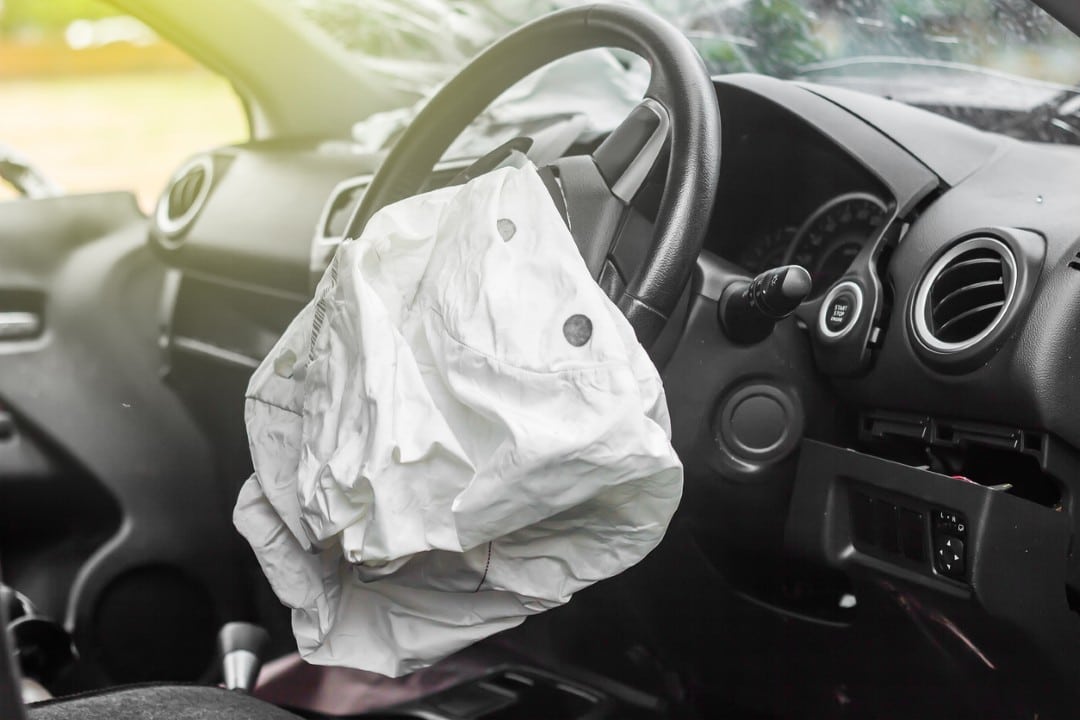
Volkswagen’s action is part of an ongoing effort by the auto industry to completely phase out the dangerous Takata airbags that are still in circulation. Verifying the need for repair can be done using the vehicle’s chassis number (VIN) on the manufacturer’s official channels.
The chemical problem behind the failure
The fundamental cause of the defect lies in the chemical compound used by Takata to inflate the air bag: ammonium nitrate. Essa substance, when not stabilized by a desiccant agent, becomes extremely unstable after prolonged exposure to cycles of high temperature and humidity. Over time, the humidity in the air degrades the propellant, changing its molecular structure and causing it to burn much faster and more violently than designed. Instead of a controlled combustion that generates gas to inflate the airbag, what occurs is a detonation that shatters the inflator’s metal casing. Esse phenomenon transformed an essential safety item into a potential threat, triggering the largest recall in the history of the automotive industry, affecting dozens of automakers and millions of vehicles around the world.
Models included in the call for Volkswagen
The list of vehicles covered by this new phase of the recall includes units manufactured mainly between 2013 and 2017. Entre The most popular models affected are the Golf, the Passat, as well as specific versions of the
Volkswagen highlights that vehicles that circulate or are registered in regions with a hot and humid climate, such as tropical and subtropical areas, receive priority attention. In Nessas locations, the chemical degradation process of ammonium nitrate is accelerated, significantly increasing the risk of catastrophic component failure.
Direct risks for drivers and passengers
The main concern of the authorities and the automaker is the passive safety of the vehicles. An improperly functioning airbag not only fails to protect occupants, but also becomes an active hazard inside the automobile.
The metallic fragments projected by the inflator explosion can hit any part of the body, including the face, neck and chest, with enough force to cause fatal injuries. The faulty drive completely nullifies the protection that the system should offer.
For this reason, the replacement campaign is treated urgently. Volkswagen reinforces that repair is essential to restore the integrity of the security system and ensure that it functions as expected in an emergency situation.
How owners should proceed
The first step for the owner is to check whether their vehicle is included in the campaign. Isso can be done by accessing the official Volkswagen website in the recalls section or contacting the brand’s customer service center.
To consult, it is essential to have the vehicle identification number (VIN), popularly known as the chassis number, which appears on the car’s document.
If the inclusion is confirmed, the system will indicate the need for repair. The owner must then schedule the service at an authorized dealership of their choice.
The airbag inflator replacement procedure is completely free and, according to the manufacturer, takes approximately one hour to complete. Failure to carry out the repair may prevent the vehicle from being licensed in several countries.
The history of the industry’s largest recall
The case of the Takata airbags has been going on for more than a decade and has already led the Japanese company to bankruptcy. The crisis has exposed vulnerabilities in the global automotive industry’s supply chain, where a single supplier can compromise the safety of millions of cars from different brands.
Volkswagen, like other manufacturers, has continuously monitored its fleet to identify new batches of vehicles that may present a risk as they age, even if they were not initially included in the first waves of recalls.
Security standards and corporate responsibility
Road safety regulatory agencies around the world impose strict standards that force automakers to notify consumers of any defect that affects safety. Performing recalls is a legal requirement and a pillar of corporate responsibility.
Transparency in communication with customers and agility in offering solutions are crucial to maintaining trust in the brand. Este new call reinforces Volkswagen’s commitment to correcting failures, even if caused by third-party components.
The importance of preventative maintenance
It is essential that owners understand that safety recalls have no expiration date and remain active until the vehicle is repaired. Regular maintenance at independent workshops does not replace the need to respond to an official call, which must be carried out exclusively at the authorized dealer network.



