
New Dell XPS 14 arrives in Brazil with 2.8K OLED screen and battery for more than 27 hours of use

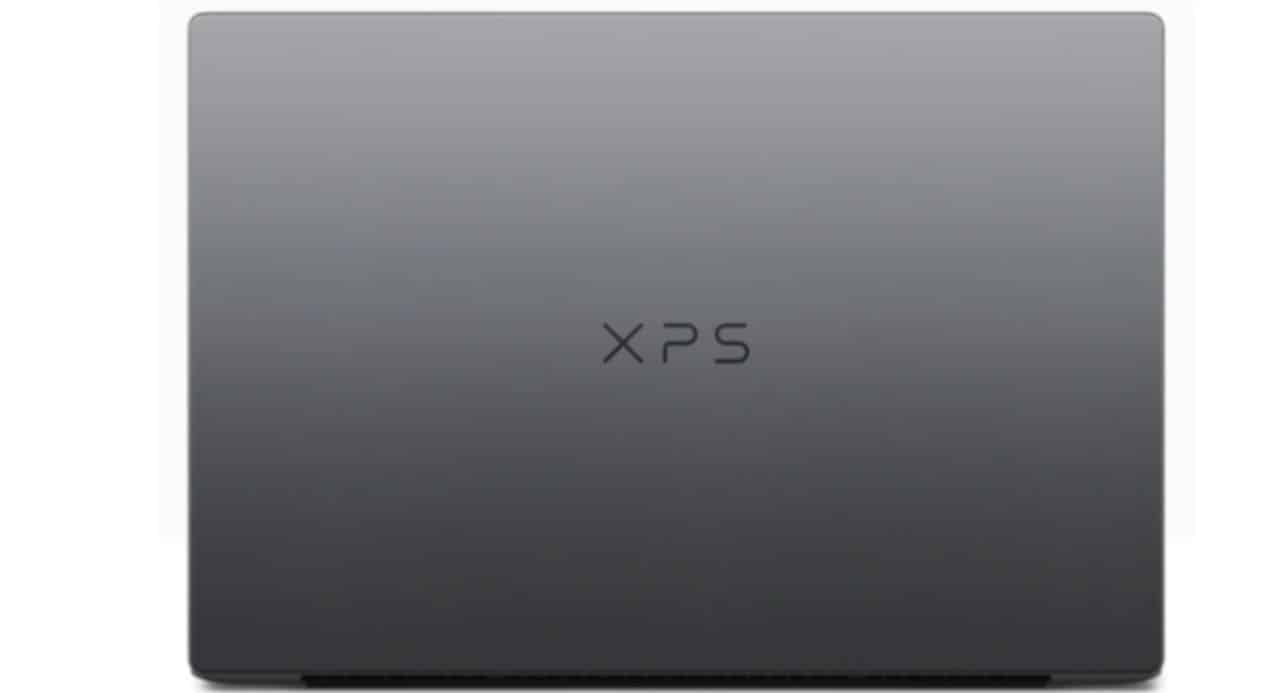
Dell officially announced the arrival of the new XPS 14 to the Brazilian market, revitalizing one of its most iconic lines of notebooks with a completely renewed design and cutting-edge specifications. The equipment, which was highlighted at the CES 2026 technology fair, is positioned in the premium segment, aimed at creative professionals and users who demand maximum performance in their daily activities.
The launch represents the company’s commitment to a sophisticated portfolio for the country, combining high-performance processors, an improved visual experience and battery life that stands out in the category. The machine was designed to offer versatility and power, covering everything from complex productivity tasks to the consumption of high definition multimedia content.
Available on the brand’s official website, the Dell XPS 14 starts at R$23,499. The input configurations already feature the new Intel Core Ultra X7 Série 3 processors and advanced screen options, consolidating the model as a robust tool for the most demanding consumers.
Premium construction and improved ergonomics
The design of the new XPS 14 is one of its main attractions, featuring a unibody chassis made from CNC aluminum. Esse manufacturing process not only gives the device a minimalist and elegant aesthetic, but also ensures greater structural rigidity and durability. Para To complement protection, the notebook features Gorilla Glass 3 technology, which increases resistance against scratches and everyday impacts without compromising the sophistication of the device.
In addition to robustness, portability was a central focus in development. At just 14.6 mm thick and weighing approximately 1.3 kg, the model is significantly lighter than its previous generation, making it easier to transport and use in different environments. Internamente, Dell have made notable ergonomic improvements, such as the reintroduction of physical function keys with improved tactile feedback and a keyboard with deeper recesses for more comfortable and accurate typing over long workdays.
Cutting-edge performance with Intel Core Ultra processors
At the core of the XPS 14 are the Intel Core Ultra X7 Série 3 processors, based on the Panther Lake architecture, which offer a significant leap in processing capacity for notebooks.
These chips integrate Intel Arc graphics with 12 Xe cores, considered the most powerful integrated GPU modules ever developed by Intel. Essa configuration guarantees performance for intense multitasking, video editing and running heavy software smoothly.
The manufacturer highlights an increase of up to 50% in graphics performance compared to the previous generation. Além In addition, efficiency in tasks that use artificial intelligence was optimized by up to 57%, speeding up processes such as image editing and voice recognition.
For the national market, the notebook can be configured with up to 32 GB of DDR5 RAM, with a frequency of 9,600 MT/s, and SSD storage options ranging from 512 GB to 1 TB, allowing customization according to the user’s needs.
Immersive visual experience with InfinityEdge display
Display quality is a key pillar in the Dell XPS 14, which offers two 14-inch InfinityEdge panel options designed for immersion and color fidelity. The first option is an LCD panel with 2K resolution, 500 nits brightness and variable refresh rate from 1 to 120 Hz, which adapts to the content displayed to optimize fluidity and energy consumption. Essa configuration is ideal for those looking for sharp images and excellent visibility in bright environments. Para the most demanding users, the Dell offers an OLED screen Tandem with 2.8K resolution. Essa technology, already present in the XPS 13, delivers absolute blacks, vibrant colors and superior contrast, resulting in exceptional image quality for media consumption and creative work. The adaptive refresh rate, which varies from 20 to 120
Battery life redefined for the segment
Dell positions the XPS 14 as one of the notebooks with the longest battery life in its category, a feat achieved through the combination of efficient hardware and cutting-edge technology.
According to the company, the device is capable of supporting up to 27 hours of continuous video streaming on platforms such as Netflix. Para playback of locally stored content, autonomy can exceed the 40 hour mark.
This performance is possible thanks to the use of 900ED battery cells, which offer greater energy density in a more compact format, maximizing capacity without increasing the weight or thickness of the notebook.
Connectivity and productivity features
To ensure versatility in connections, the XPS 14 is equipped with multiple Thunderbolt 4 ports in the USB-C standard. Elas enable high-speed data transfer, device charging, and connection to high-resolution external displays, expanding workspace.
The multimedia set is complemented by an 8 MP camera capable of recording in 4K. Dell claims this is the thinnest sensor ever integrated into one of its notebooks, reinforcing the brand’s commitment to a compact design without sacrificing image quality for video conferencing and content creation.
Availability and configuration options in the national market
The Dell XPS 14 is now available for purchase directly on the Dell website at Brasil. Consumers can explore the different configurations and customize the equipment according to their preferences, with the starting price starting at R$23,499.
Details that enhance everyday usability
In addition to the main specifications, the new XPS 14 incorporates a series of details that refine the user experience. The optimization between software and hardware is evident in energy management, screen calibration and overall system performance, reflecting Dell’s effort to deliver a balanced product.
The combination of high quality materials with a thin and light design makes the notebook a practical tool for everyday life, whether in the office, at home or on the go, consolidating the proposal to be a complete solution for current technological demands.




