
New generation of Toyota RAV4 adopts a ‘hammer’ look and relies on an exclusively hybrid engine


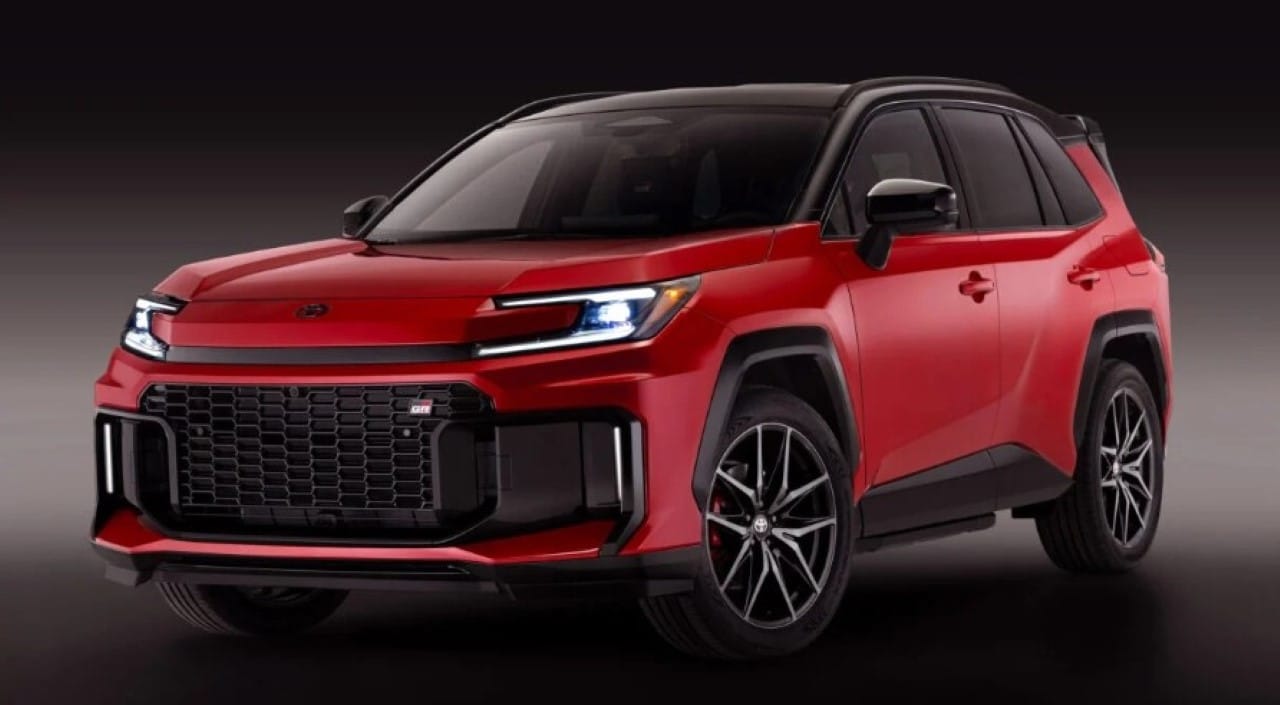
The Toyota is preparing one of the most significant updates for its most successful SUV globally. The sixth generation of the Toyota RAV4 is scheduled to be launched, completely abandoning pure combustion engines to adopt an exclusively hybrid line. Além of the electrified engine, the model will undergo a profound restyling, incorporating the brand’s new design language, known as “hammerhead”, which promises a more modern and robust look.
The launch schedule foresees a debut in Japão at the end of 2025, followed by other important markets, such as Estados Unidos. Unidades tests have already been spotted on the Brasil, indicating that the arrival on the national market should occur in the first half of 2026, with the model adapted for flex hybrid technology, reinforcing competition in the medium SUV segment.
The Japanese automaker’s strategy is clear: to consolidate the RAV4’s leadership in the segment, combining known reliability with an improved technology, efficiency and safety package. The new generation will be built on an evolved version of the TNGA platform (Toyota New Global Architecture), which allows for greater structural rigidity and a lower center of gravity, resulting in better handling and comfort.
A completely renewed exterior design
The main visual change of the new generation of the Toyota RAV4 is at the front, which adopts the “hammerhead” style. The Este concept, already seen in other recent launches of the brand such as the Prius and the Corolla Cross, is characterized by tapered LED headlights and a front grille integrated into the bumper, creating an imposing and futuristic visual signature. The configuration replaces the more angular look of the previous generation with more fluid and contemporary lines, without giving up the robustness expected of an SUV. Elementos as pronounced wheel arches and higher profile tires are retained to reinforce capability for different terrains. The sides received softer creases, contributing to improved aerodynamics, while the rear features lights interconnected by a horizontal light bar, a detail that has become a trend in global automotive design. Essas changes are not just aesthetic; they were designed to optimize air flow and, consequently, reduce fuel consumption and noise at high speeds.
Technological interior with more space
The RAV4’s interior has also been completely redesigned to offer a more technological and comfortable experience. The highlight is the new multimedia center, which can have screens up to 14 inches in the most complete versions.
This new operating system will enable over-the-air updates, ensuring that the vehicle’s software is always up to date with the latest features and fixes, without the need for dealership visits.
Despite the strong commitment to digitalization, the Toyota chose to maintain physical controls for essential functions, such as air conditioning and sound system volume, a decision that prioritizes ergonomics and safety while driving.
Finishing materials have been improved, with greater use of soft-touch surfaces and high-quality synthetic leather upholstery options. The interior space was slightly increased, mainly benefiting rear seat passengers and the trunk capacity.
Exclusively hybrid and more powerful engine
The sixth generation of the RAV4 marks the end of gasoline-only versions. Todas configurations will be equipped with the Toyota hybrid system, which combines a 2.5-liter combustion engine with electric drives. The combined output of the standard system reaches 226 horsepower, a notable increase that results in acceleration from 0 to 100 km/h approximately half a second faster than that of the previous model.
Drive options include front-wheel drive or the E-Four integral system, which uses a dedicated electric motor to move the rear wheels, ensuring greater control and stability in low-grip conditions. Para selected markets, the plug-in hybrid version (PHEV) will offer a purely electric range of more than 100 kilometers, allowing daily urban journeys to be made without pollutant emissions.
This transition to a fully hybrid line reinforces Toyota’s commitment to sustainability and reducing emissions, aligning the RAV4 with global electrification trends without sacrificing the performance and practicality that have established the model.
Safety as a priority with the new Toyota Safety Sense
Safety was one of the pillars in the development of the new RAV4, which will be equipped with the latest generation of the Toyota Safety Sense package. Este suite of driver assistance technologies has been improved to offer even more effective protection. Entre new features include the autonomous emergency braking system with improved ability to detect pedestrians and cyclists, even in low light conditions, and the adaptive cruise control, which now works at lower speeds and has a smoother response in urban traffic.
The lane keeping assistant has also been recalibrated for more precise and natural action, correcting the vehicle’s trajectory in a subtle way. Além of the active systems, the body structure uses a higher percentage of high-strength steel, which increases torsional rigidity and improves energy absorption in the event of collisions. Câmeras with 360-degree vision, blind spot monitoring and multiple airbags, including central air bags, complete the safety package, positioning the new RAV4 as a reference in the segment.
The evolution of an icon in the SUV market
Originally launched in 1994, the Toyota RAV4 was one of the pioneers in the compact SUV segment, combining the practicality of a passenger car with the versatility of a utility vehicle. The sixth generation continues this successful trajectory, focusing on electrification and technology to meet the demands of the modern consumer.
Launch strategy and arrival at Brasil
Tests carried out in Brazilian territory confirm that Toyota is adapting the new RAV4 to local conditions, which includes the development of hybrid flex technology, already present in models such as the Corolla and Corolla Cross. Essa engine allows the use of ethanol, a renewable fuel, optimizing efficiency and further reducing environmental impact.
When it hits the national market, scheduled for the first half of 2026, the new RAV4 will compete directly with other prominent SUVs, such as the Honda CR-V and the Volkswagen Tiguan. The price positioning has not yet been defined, but a higher value is expected than the current generation, justified by the incorporation of new technologies and the more advanced propulsion system.



