
Nine high-end smartphones from Xiaomi and Poco receive test version of HyperOS 3.1 with Android 16


Xiaomi, together with its sub-brand Poco, has begun the global testing phase of HyperOS 3.1, the next major update to its operating system. The new version is built on the future Android 16 architecture, putting the company at the forefront of software development and bringing forward features that are expected to become standard in the mobile device market in the coming years.
This initial testing program is restricted to a select group of nine smartphone and tablet models considered premium. The choice demonstrates the manufacturer’s intention to focus its initial efforts on devices with more advanced hardware, capable of exploring the full potential of new features without compromising performance.
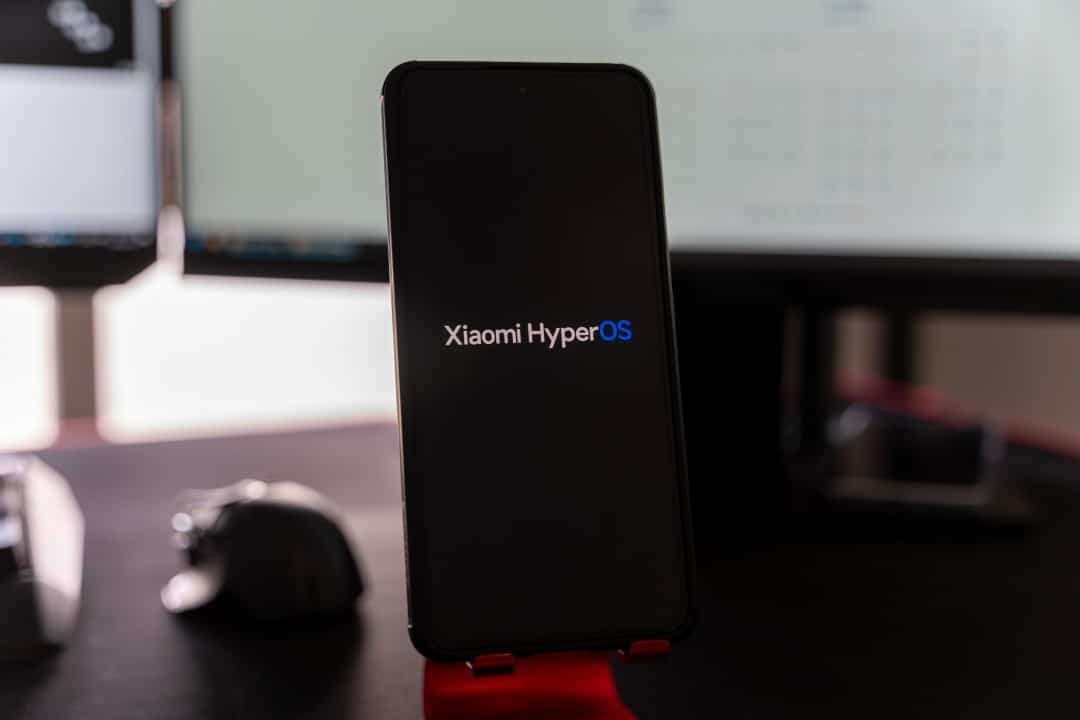
The initiative represents a strategic move by Xiaomi to shorten the development and update delivery cycle. By aligning the HyperOS timeline with the preliminary releases of Android, the company seeks to provide its users with early access to the latest security and usability innovations developed by Google, combined with optimizations unique to its ecosystem.
Devices selected for the initial phase
The list of devices that will receive the HyperOS 3.1 test version includes both already established models and devices that are yet to be launched, indicating long-term planning. Para the main line of Xiaomi, the selected ones are: Xiaomi 14, Xiaomi 14 Xiaomi Pad Mini.
The inclusion of models such as the Xiaomi 15 and 17, which have not yet been officially announced, signals that internal testing is already underway to prepare the software for future generations of flagships, ensuring that the operating system is perfectly optimized from launch.
On the side of Poco, a brand known for its focus on performance, the devices covered are the Poco F7 Pro, Poco F7 Ultra and Poco F8 Ultra. The presence of these models in the first wave of updates reinforces the brand’s commitment to keeping its high-performance portfolio always updated with the most modern software.
The careful selection of these nine devices is directly linked to their cutting-edge processing capabilities and components. Apenas robust hardware is capable of supporting the new artificial intelligence features and graphics optimizations that are expected from both Android 16 and HyperOS 3.1, providing a smooth and stable usage experience for testers.
Main news expected in Android 16
Android 16, which serves as the basis for this new version of HyperOS, promises to bring significant advances, with a special focus on artificial intelligence. Espera The Google operating system is expected to deepen the integration of generative AI capabilities, offering more proactive assistants, notification optimization, and intelligent responses that learn from an individual’s usage pattern. The trend is for many of these functions to be processed directly on the device, ensuring more privacy and speed.
Another area of great expectation is energy management. The Android 16 should introduce more sophisticated mechanisms to control background processes, which could result in a considerable increase in battery life. Além Additionally, user security remains a priority, with new privacy dashboards expected to give people even greater power over what data apps can access and how it is used.
What changes with HyperOS 3.1
On top of the solid foundation of Android 16, HyperOS 3.1 will add the layer of customization and features unique to Xiaomi. The company has been working to transform its system into a hub for its vast ecosystem of products, under the concept of “Human x Car x Home”.
This means that the new version should improve interconnectivity between smartphones, branded electric vehicles and smart home devices, allowing for more fluid and unified control. The user interface will also receive improvements, with more polished animations and new customization options for the lock screen and home screen.
Well-known functions, such as “Super
Connectivity and integration improvements
One of the focuses of HyperOS 3.1 will be improving interoperability with third-party accessories and devices, a crucial point for users who are not fully immersed in the Xiaomi ecosystem. The update should bring improvements to support for high-definition Bluetooth audio codecs and simplify the pairing process with third-party headphones and smartwatches, such as Apple AirPods. The idea is that the operating system recognizes and configures these peripherals more automatically and intelligently, displaying information such as battery level directly in the system settings, without the need for additional applications. Essa approach aims to create a more universal and convenient user experience, reflecting the reality of a market where consumers use products from different manufacturers simultaneously.
Testing and global release schedule
The update process will begin with the program Mi Pilot, first on China. Esse closed group of testers will provide crucial feedback to the development team, helping to identify and fix bugs before mass rollout. Participation in this program is generally restricted to users with technical experience.
After the initial testing phase, the expectation is that the first stable version of HyperOS 3.1 will begin to be released to the general public, starting with the nine models listed, between the end of January and the beginning of February 2026. From there, the update will be expanded in waves to other eligible devices throughout the first half of the same year.
Impact on Poco users
For owners of Poco devices, the inclusion of F-line models at the forefront of testing is excellent news. Isso solidifies the brand’s image as an option that not only delivers powerful hardware, but also cares about offering an agile and updated software experience, an important differentiator in its market segment.
Xiaomi’s strategy in the software market
The decision to bring forward testing based on Android 16 is a calculated move by Xiaomi to position itself as one of the leaders in software update agility in the Android ecosystem. Essa strategy challenges direct competitors, such as Samsung, who also invest heavily in long-term support policies and rapid updates.
By refining HyperOS in parallel with the development of Android, Xiaomi ensures that its users have access to a secure, stable, and feature-rich platform. Essa approach not only strengthens the loyalty of existing customers, but also serves as a strong selling point to attract new consumers in an increasingly competitive global market.



