
Social security in Japan adjusts contribution rules and impacts Brazilians and other foreigners in the country

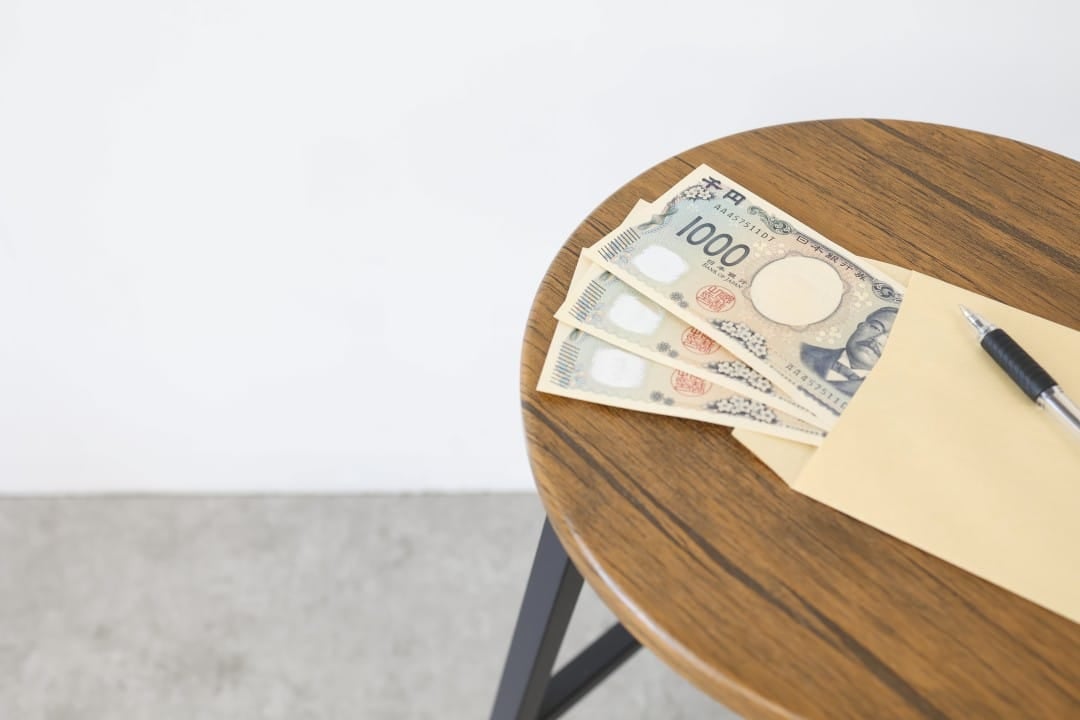
The Japão social security system undergoes annual reviews that directly affect the values of pensions and other benefits, impacting millions of citizens and the large community of foreign residents. Essas changes, based on economic indicators such as inflation and average wages, seek to guarantee the sustainability of the pension system in the face of the rapid aging of the population and preserve the purchasing power of retirees.
Payment management is the responsibility of Japan Pension Service, which makes deposits every two months, always in even-numbered months (February, April, June, August, October and December). The structure is based on the mandatory contribution of all residents of the country aged between 20 and 59, who must register for Plano Nacional of Pensão, known as Kokumin Nenkin.
For the next fiscal cycle, the expectation is that the values of benefits and contributions will be readjusted to reflect the current economic scenario. Eligibility to receive the old-age pension remains linked to well-defined criteria, such as a minimum age of 65 and a minimum contribution period, which applies equally to Japanese and foreigners with long-term residence status.
Main types of pension in the Japanese system
The Japanese pension system is structured to cover different contingencies throughout the taxpayer’s life. The most common modality is Pensão Básica for Idade (Rorei Kiso Nenkin), paid to individuals who reach 65 years of age and meet the minimum contribution period. The full amount is intended for those who contributed for a full 40 years, but proportional payments are calculated for shorter periods, as long as the minimum requirement is met.
In addition to retirement by age, the system offers Pensão for Invalidez (Shogai Kiso Nenkin). Este benefit is granted to taxpayers who develop a disability classified as grade 1 or 2 during their contribution period. Amounts are determined by the severity of the condition and may include surcharges for dependents, such as children.
Another fundamental pillar is the Pensão to Sobreviventes (Izoku Kiso Nenkin). Este benefit is intended to financially support the spouse or dependent children of a taxpayer who dies. Eligibility and value depend on specific criteria, such as the age of the children and family structure, ensuring a safety net for the family after the loss of a breadwinner.
Eligibility criteria for citizens and foreigners
To access any of the Japanese pension benefits, the fundamental rule is to prove a qualifying period of at least 10 years of contributions. Esta exigência é a mesma para cidadãos japoneses e para residentes estrangeiros que possuem vistos de longa permanência, assegurando que apenas pessoas com um vínculo contributivo sólido com o sistema possam receber os pagamentos na velhice ou em caso de necessidade.
The social security agreements that Japão has with more than 20 countries, including Brasil, play a vital role for the foreign community. Esses treaties allow for the totalization of contribution periods, that is, the time worked in both countries can be added together to reach a minimum of 10 years. Assim, a Brazilian worker who contributed for five years in Japão and another five in Brasil may become eligible to receive the Japanese pension, calculated in proportion to the time contributed in the country.
Projections of values and contributions
Although the exact benefit values for the next cycle will be officially released by the Japanese government at the beginning of the fiscal year, the projections follow the annual adjustment methodology. Como reference, in fiscal year 2025, the full basic pension, for 40 years of contribution, was set at approximately 831,700 yen per year. Espera This amount is corrected based on the variation in inflation and the national average salary.
The monthly contribution to Plano Nacional of Pensão is also adjusted annually. In 2025, the fixed amount was 17,510 yen. The forecast is that there will be a slight increase for the next period, reflecting the system’s financing needs. Para company workers, the contribution is made through Kosei Nenkin, a complementary system in which the amount is shared with the employer, resulting in a more robust final benefit.
The process for requesting and receiving payments
Requesting retirement in Japão is a process that must be initiated by the interested party when meeting the age and contribution requirements. The first step is to go to a local Japan Pension Service (Nenkin Jimusho) office or city hall in the city of residence to submit the formal request. It is essential to present identification documents, the pension number (kiso nenkin bango) and details of a Japanese bank account to credit the amounts. Embora Although the process is designed to be straightforward, attention to detail is crucial to avoid bureaucratic delays that could delay the start of payments. Once approved, receipt occurs automatically every two months, on the 15th of even-numbered months, always covering the previous two months.
Exemption mechanisms and additional contributions
The Japanese system provides flexibility mechanisms for situations in which the taxpayer cannot afford the payments. Indivíduos with low income, unemployed or students can request total or partial exemption from monthly contributions. If approved, the exemption period counts towards the minimum qualifying time of 10 years, but the final benefit amount is reduced. It is possible to retroactively pay these contributions up to 10 years to recover the full amount.
For those who reach the age of 60 without having completed 40 years of contributions, there is the option of making voluntary contributions (Nin’i Kanyu) until the age of 65. Essa measure allows you to increase the final amount of the benefit, being an important strategy for those looking to maximize financial security in old age.
Complementary benefits to the pension system
The Japanese social security system is complemented by other essential programs. Todos residents aged 40 or over are required to contribute to the Seguro of Cuidados of Longo Prazo (Kaigo Hoken). Este insurance finances a variety of assistance services for elderly people who need help with their daily activities, ensuring dignity and quality of life. Covered services range from home care to hospitalization in specialized institutions, easing the financial burden on families.
The refund alternative for foreigners
Foreigners who have contributed to the system for a minimum period of six months, but who do not intend to retire at Japão and will not reach the 10 years of qualification, are entitled to Reembolso of Contribuição (Daitai Ichijikin).
When leaving the country permanently, it is possible to request a refund of part of the amounts paid. The request must be made within two years after Japão leaves.
This mechanism works as compensation for those who will not benefit from retirement, although the amount reimbursed does not correspond to the total contributed.
It is an important option for temporary workers who return to their home countries and wish to recover part of the investment made in the Japanese pension system.



