
Switch 2 sales exceed 17 million and boost Nintendo’s revenue by almost 100% in the fiscal year

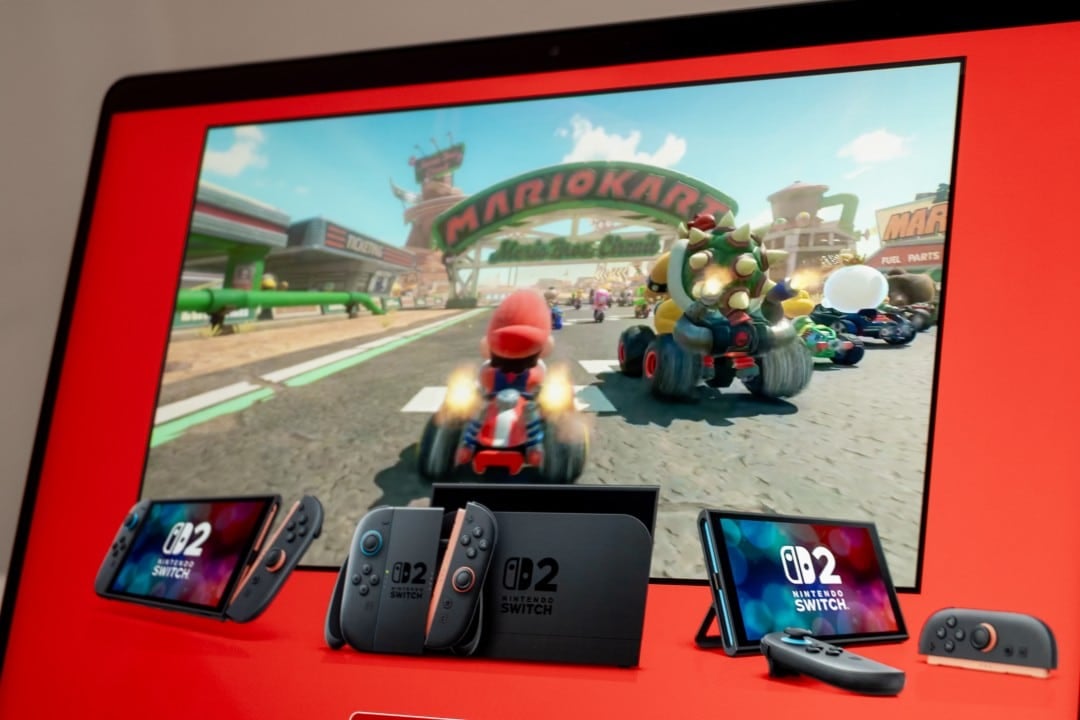
Nintendo presented an extraordinary financial performance in the first nine months of the fiscal year, driven by the launch and commercial success of its new console, the Nintendo Switch 2. The Japanese company reported a 99.3% increase in its net revenue, a growth directly associated with the sale of 17.37 million units of the new hardware in the period between April 1st and December 31st, 2025.
Consolidated results reveal that net revenue reached the mark of 1.9 trillion yen, which is equivalent to approximately 12.2 billion dollars. Net profit also registered a significant increase of 51.3%, totaling 358.8 billion yen, or approximately 2.3 billion dollars. Estes numbers demonstrate the strength of the company’s strategy and the extremely positive market reception of its new product.

The holiday season was particularly crucial to achieving these results, with millions of consumers purchasing the console and its exclusive games. The performance exceeded internal projections and further consolidated Nintendo’s leadership position in the global electronic entertainment scene, showcasing the company’s ability to innovate and captivate a loyal and ever-expanding fan base.
Detailed analysis of sales of the new console
The total volume of 17.37 million units of Nintendo Switch 2 sold until the end of December reflects robust and sustained demand since its launch. The console quickly established itself as one of the most desired products in the technology and entertainment market, attracting both veteran gamers and new consumers to the brand’s ecosystem.
A deeper analysis of the numbers shows that the last quarter of the year was decisive. Apenas between the months of October and December, 7.1 million units were sold, highlighting the significant impact of seasonal purchases, such as Black Friday and Natal, which traditionally drive the electronic retail sector around the world.
Consumer response was largely positive, with praise directed towards hardware improvements, such as increased graphics processing capacity and backward compatibility with the previous model’s vast game library. Essa smooth transition encouraged many owners of the first Switch to migrate to the new platform without hesitation, contributing to the accelerated pace of sales.
Faced with strong demand, which exceeded the most optimistic expectations, Nintendo acted to reinforce its production and logistics chain. The company has ramped up manufacturing of the console to ensure continued supply in key global markets and avoid consumer frustration with depleted stocks, a strategy that has proven effective in capitalizing on the positive momentum.
Performance of top exclusive games
The success of the hardware was closely followed by the excellent performance of the software, a fundamental pillar in Nintendo’s strategy. During the nine months analyzed, 37.93 million copies of games were sold for Nintendo Switch 2. The main highlight was the launch title Mario Kart World, which alone sold an impressive 14.03 million copies, consolidating itself as a “system seller” and attracting a huge player base to the online multiplayer mode. Outros important releases also had a notable performance, such as Donkey Kong Bananza, which sold 4.25 million units, and Kirby Air Riders, which reached the mark of 1.76 million copies. The company strategically aligned these major releases with peak demand for the console, maximizing the impact of both. Enquanto that, on the original console, the phenomenon Mario Kart 8
The transition from the original Switch to the successor
With consumers’ focus on the new console, sales of the first generation Nintendo Switch registered a natural decline. In the period between April and December 2025, 3.25 million units of the original model were sold, which represents a reduction of 66% compared to the same period of the previous year. Essa decrease was expected by the company and is part of the life cycle of any console, indicating a successful transition of the user base to the new technology offered by the company.
Despite the slowdown in recent sales, the legacy of the first Nintendo Switch was crowned with a historic milestone. The console has reached a total of 155.37 million units sold worldwide since its launch in 2017, officially surpassing the Nintendo DS (154.02 million) and becoming the best-selling hardware in the history of Nintendo. Esse remarkable feat solidifies the revolutionary impact of the hybrid concept, which redefined the way people game and paved the way for the continued success of its successor.
Financial results exceed expectations
Revenue growth of almost 100% is one of the strongest indicators of the success of the new generation of consoles. The figure of 1.9 trillion yen represents a monumental leap compared to the previous year, reflecting not only hardware sales, but also the strong adoption of the games and digital services that make up the platform’s ecosystem.
From a profitability point of view, the 51.3% increase in net profit demonstrates efficient operational management. Mesmo With the high investments required for the development, production and marketing of a new console, the company managed to maintain healthy margins and deliver a robust financial return to its shareholders.
This exceptional performance led Nintendo to revise its financial projections for the full fiscal year on several occasions. Management’s confidence grew with each quarter, as Switch 2’s sales figures consistently exceeded established targets, signaling a long and prosperous life cycle for the platform.
Global distribution strategy
The success of the Nintendo Switch 2 was a global phenomenon, with remarkable performance in the world’s most important markets. The América of the Norte and the Europa saw peaks in demand during the fourth quarter, while Asian markets, including the
To sustain this pace, Nintendo implemented a robust logistics strategy, expanding inventories in key distribution centers to avoid shortages during periods of highest demand. The company also worked closely with retail partners to create promotional campaigns and bundles with popular games, which helped drive sales even further.
Positioning in the competitive scenario
With these results, Nintendo not only meets, but exceeds market expectations, reinforcing its position of leadership and innovation in the games industry. The success of Switch 2 lays a solid foundation for years to come, ensuring a continued stream of revenue from both hardware sales and a software catalog that continues to expand with the support of internal studios and partner developers.



