
Xiaomi and Poco release global tests of HyperOS 3.1 with Android 16 for nine high-end models


Xiaomi has started the global testing phase of its new interface, HyperOS 3.1, which is built on the latest version of the Google operating system, Android 16. The update is being made available, initially, to a restricted group of owners of nine premium devices from the brand and its subsidiary Poco. Este is a significant step for the company as it expands its validation program beyond Chinese borders.
Development of global versions of the system has been in full swing since the end of January, with software teams focused on optimizing stability and performance for the diverse networks and hardware configurations found around the world. The strategy adopted by the technology giant is to validate the new interface on its most advanced devices before releasing it on a large scale, mitigating the risk of critical failures for the general public.
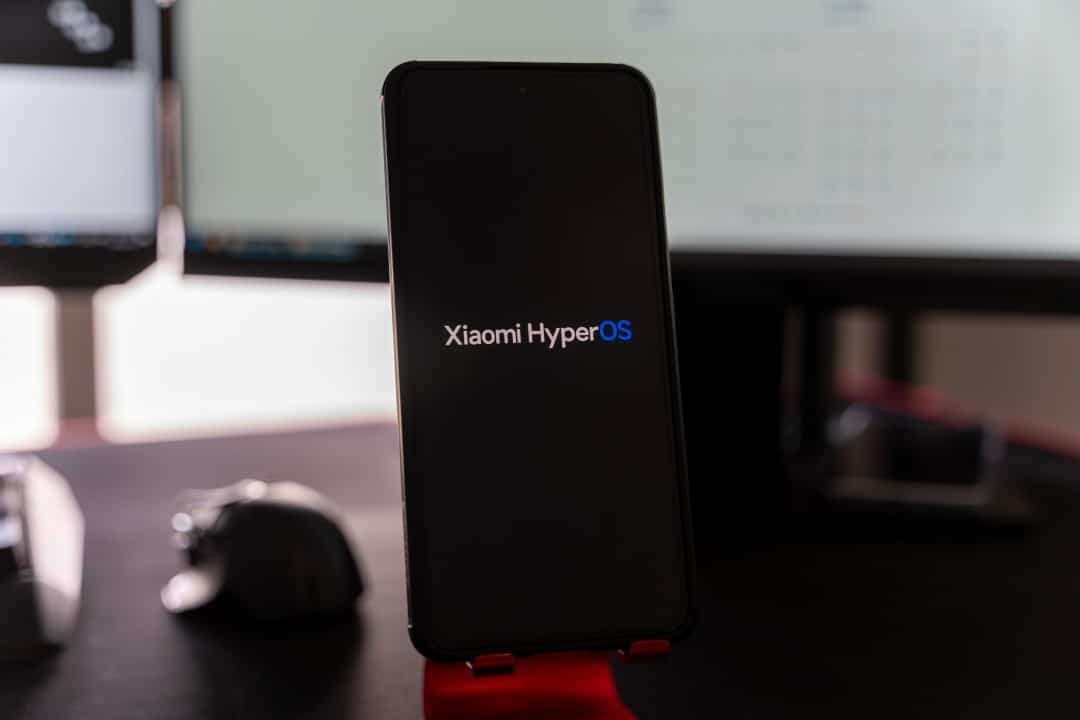
This step is crucial to adjust HyperOS 3.1 to the specificities of international markets, which includes the integration of different applications and services, as well as connectivity optimizations. The feedback collected from participants in the beta program will be essential to polish the final version, which is expected to reach millions of users in the coming months, consolidating the replacement of the old MIUI interface with the company’s new integrated platform.
The nine devices selected for the initial phase
The list of devices that receive the update first hand is made up of the elite of the Xiaomi and Poco portfolio. The models chosen were the Xiaomi 17, Xiaomi 15, Xiaomi 15 Ultra, Xiaomi 14, Xiaomi 14
Under the sub-brand Poco, the devices covered are the Poco F7 Pro, Poco F7 Ultra and the Poco F8 Ultra. The selection of these models is strategic, as they are all equipped with high-performance processors and state-of-the-art components, allowing the company to test the full potential of the Android 16’s new features in a controlled and robust environment.
What changes with the base of Android 16
The decision to develop HyperOS 3.1 exclusively on the Android 16 architecture provides deeper and more optimized integration between the Xiaomi hardware and the Google software. Essa approach allows the interface to natively take advantage of the operating system’s new APIs and functionalities, something that would be more complex in a superficial implementation.
Among the main advances of Android 16 are significant improvements in power management, which promise to extend the battery life of devices. Outro’s strong point is the improved processing of artificial intelligence tasks, which can now be performed more efficiently directly on the device, without depending on the cloud.
Digital security also received special attention in this new version. Android 16 introduces a more detailed permissions system and stricter privacy controls. Xiaomi is incorporating these elements directly into HyperOS to provide a more secure and transparent environment for its users around the world.
Visual and functional news in HyperOS 3.1
The new interface promises to deliver a renewed user experience, with several visual and functional improvements. One of the most noticeable changes is in the animation system, which has been completely redesigned to offer smoother, more fluid transitions with better touch response time, creating more natural navigation.
The lock screen has also been improved, receiving new depth effects that dynamically interact with the wallpaper selected by the user. Isso results in a more personalized and modern look that adapts to the content displayed.
The “Super Island” feature, an evolution of interactive notifications, has been expanded. Agora, it offers more features and quick shortcuts, allowing the user to perform actions without the need to completely open applications, optimizing workflow and multitasking.
Interoperability with devices from other brands has been strengthened. HyperOS 3.1 will bring improved native support for accessories like the Apple AirPods, simplifying the pairing process and allowing access to advanced controls, such as checking battery level and selecting audio modes, directly from the system interface.
Stability and the global validation process
The start of global-scale testing comes shortly after the successful completion of the Mi Pilot program on China, which served as the first major test for HyperOS 3.1. The versions now reaching international markets already contain fixes and adjustments implemented based on feedback from Chinese users, resulting in a beta version that is considerably more stable from the start. Xiaomi teams carry out rigorous checks to ensure that the software works consistently across different telephone operators and under different usage conditions, simulating the daily life of a common user in various parts of the world.
Initial stability is a top priority, as a negative experience at this stage can affect public perception of the quality of the update. For this reason, monitoring is continuous, and bug reports sent by testers are analyzed and fixed quickly. Early reports from participants in the global beta program indicate a surprisingly polished system for a test version, with few critical issues, suggesting that the public launch could occur on schedule without major delays.
How the update will be distributed to users
The HyperOS 3.1 distribution strategy will follow a phased and gradual model, a common practice in the industry to ensure the stability of update servers and allow monitoring of potential issues in smaller batches of users. The expectation is that the public launch for the nine devices in the first wave will begin between the end of January and the beginning of February 2026. Inicialmente, the update will be released to a small percentage of users and, if no serious errors are detected, availability will be progressively expanded over the following weeks. Essa cautious approach, known as “staged rollout,” is essential for managing a user base that numbers in the millions. After the successful completion of the upgrade for high-end models, Xiaomi will turn its attention to premium mid-range devices and then other models that support the requirements of 2026.
Important recommendations before updating
Before installing any system update, especially one that is still in beta phase, it is highly recommended that users perform a complete backup of their personal data. Isso includes photos, videos, contacts, documents and other important files. Embora the update process is generally safe, unforeseen events may occur, and having a backup copy is the only guarantee of recovering information in the event of failure.
The impact for users of the Poco brand
The inclusion of the Poco F7 Pro, F7 Ultra and F8 Ultra models in this first phase of testing is a strategic move that reinforces the sub-brand’s positioning in the high-performance segment. By receiving HyperOS 3.1 with Android 16 on par with the Xiaomi mainline flagships, these devices consolidate their value proposition.
For Poco users, this means early access to all performance optimizations, interface improvements and new customization features, maintaining the visual identity and exclusive features that characterize the brand, but now on a more modern and efficient system base.



