
Advances in early detection and prevention of cancer prove crucial in saving thousands of lives


Cancer continues to be a leading cause of mortality worldwide, posing a significant challenge to global healthcare systems. Dados of Organização Mundial of Saúde indicate that millions of new cases are diagnosed annually, with a devastating impact on patients, families and economies. The growing incidence of the disease highlights the urgency of more effective and accessible strategies for control and treatment.
In this scenario, experts and researchers reinforce that the combination of primary prevention and early detection constitutes the most powerful approach to reducing the burden of the disease. The ability to identify tumors at early stages drastically increases the chances of successful treatment, often with less invasive procedures and a better quality of life for the patient. At the same time, adopting healthy habits can prevent the development of many types of cancer.
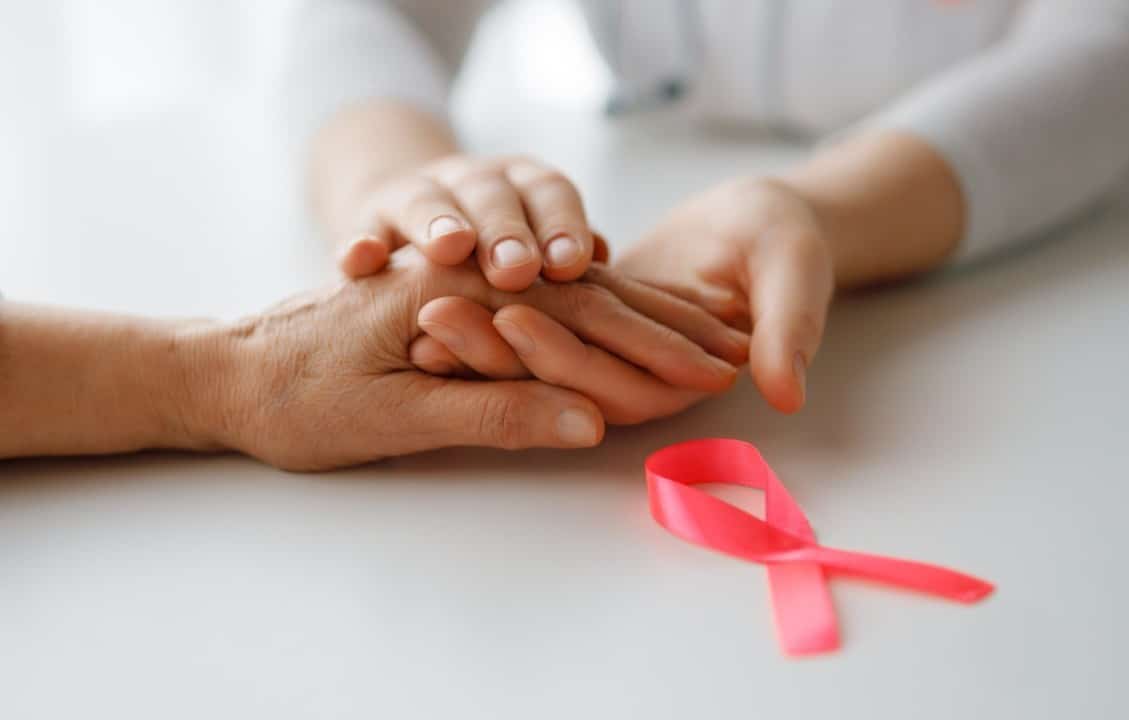
Scientific advances have played a transformative role, offering new diagnostic tools and innovative therapies. Desde from accurate imaging exams to personalized treatments based on tumor genetics, modern medicine is continually expanding the arsenal against disease. Public awareness about risk factors and the importance of routine exams is equally essential for these innovations to translate into saved lives.
The global scenario of cancer incidence
The scale of cancer’s impact is one of today’s greatest public health challenges. Relatórios international studies point to around 20 million new cases and almost 10 million deaths per year worldwide. Essa alarming statistics highlight the need for a coordinated and global response, focused both on improving access to effective treatments and on intensifying prevention campaigns. The most common types, such as lung, breast, colorectal and prostate cancer, continue to lead incidence and mortality statistics, although prevalence can vary significantly between different geographic regions and populations. Fatores how the aging of the population, urbanization and the adoption of lifestyles associated with risks, such as a sedentary lifestyle and inadequate diet, contribute to the continuous increase in these numbers, putting pressure on health systems to adapt and seek more sustainable and long-term solutions.
Prevention as a fundamental pillar
Scientific studies consistently demonstrate that a significant portion of cancer cases, estimated at between 30% and 50%, could be prevented by eliminating or reducing exposure to known risk factors. Isso positions prevention as the most cost-effective long-term strategy in the fight against the disease.
Food plays a central role in this context. A diet rich in fruits, vegetables, whole grains and legumes, and with low consumption of processed meats, red meats and ultra-processed foods, is associated with a lower risk of developing several types of tumors, especially colorectal tumors.
Regular physical activity is another essential component. Manter a healthy body weight and being physically active not only reduces the risk of cancer, but also improves cardiovascular health and general well-being, creating a virtuous cycle of protection for the body.
Furthermore, avoiding smoking, which is the main risk factor for lung cancer and is linked to several other types of tumors, and moderating alcohol consumption are primary prevention measures with a direct and proven impact on reducing the incidence of the disease on a population scale.
The vital importance of early diagnosis
Detecting cancer in its early stages is one of the most determining factors for a favorable prognosis. Quando a tumor is identified before it spreads to other parts of the body (metastasis), treatment options are generally more effective and less aggressive. Isso not only increases survival rates, but also contributes to a recovery with fewer sequelae and a better quality of life for the patient. Programas organized screening for cancers such as breast, cervical and colorectal cancers have proven to be extremely efficient in reducing mortality associated with these diseases, as they allow the identification of pre-cancerous lesions or tumors at an early stage.
Carrying out routine exams is, therefore, an indispensable tool. Exames such as mammography, Papanicolau and colonoscopy are recommended for specific age groups and risk groups, allowing medical intervention at the ideal time. Awareness of warning signs and symptoms is also crucial, encouraging people to seek medical attention when they notice unusual changes in their body. The combination of an informed population and a health system prepared to offer fast and accurate diagnoses forms the basis for the success of early detection strategies, transforming the course of the disease for thousands of individuals.
Technological advances and new therapies
Oncological research has advanced by leaps and bounds, introducing treatment modalities that were unthinkable a few decades ago. Targeted therapies, for example, are designed to specifically attack cancer cells based on their molecular characteristics, minimizing damage to healthy cells.
Another revolution came with immunotherapy, which uses the patient’s own immune system to fight cancer. Essa approach has shown remarkable results in several types of tumors, including melanoma and lung cancer, offering new hope for cases previously considered difficult to treat.
In the field of diagnosis, imaging technologies such as positron emission tomography (PET-CT) and high-resolution magnetic resonance imaging allow for a more detailed visualization of tumors, assisting in accurate staging of the disease and therapeutic planning.
Public policies and awareness
The effective fight against cancer depends on a joint effort involving governments, health institutions and civil society. The implementation of robust public policies is essential to guarantee equitable access to prevention, diagnosis and treatment services.
Awareness campaigns play a vital role in informing the population about risk factors, the importance of a healthy lifestyle and the benefits of screening tests, empowering individuals to make informed decisions about their health.
Challenges in accessing treatment
Despite notable scientific progress, inequality in access to quality cancer care remains a major global obstacle. Disparities are evident not only between high- and low-income countries, but also within nations, affecting rural populations and vulnerable socioeconomic groups.
Overcoming these barriers requires investments in health infrastructure, training of specialized professionals and the creation of policies that reduce the costs of treatments, ensuring that therapeutic innovations can benefit everyone who needs them.
The role of patient support
A cancer diagnosis triggers a profound emotional, psychological and social impact. Therefore, comprehensive care goes beyond clinical treatment, encompassing psychosocial support for patients and their families. Grupos support, psychological counseling and nutritional guidance are fundamental components to help patients navigate the treatment journey, improving adherence and general well-being during a period of great vulnerability.



