
Alleged Capcom leak details graphical optimization of Monster Hunter Wilds for the new Nintendo Switch


New unofficial information about Monster Hunter Wilds’s long-awaited successor to Nintendo Switch has surfaced, indicating a concerted effort by Capcom to optimize the game’s performance on the new hardware. Detalhes of an alleged internal data leak describes the graphical techniques that would be used to ensure that the title runs stably on the console, which must have a hybrid architecture.
The data, which circulates on specialized forums, points to the use of specific features of RE Engine, the proprietary graphics engine of Capcom. The strategy would be to adapt the game’s visual experience to balance graphic quality and fluidity, a common challenge in developing large-scale titles for platforms with specifications different from those of consoles such as PlayStation 5 and Xbox Series X|S.
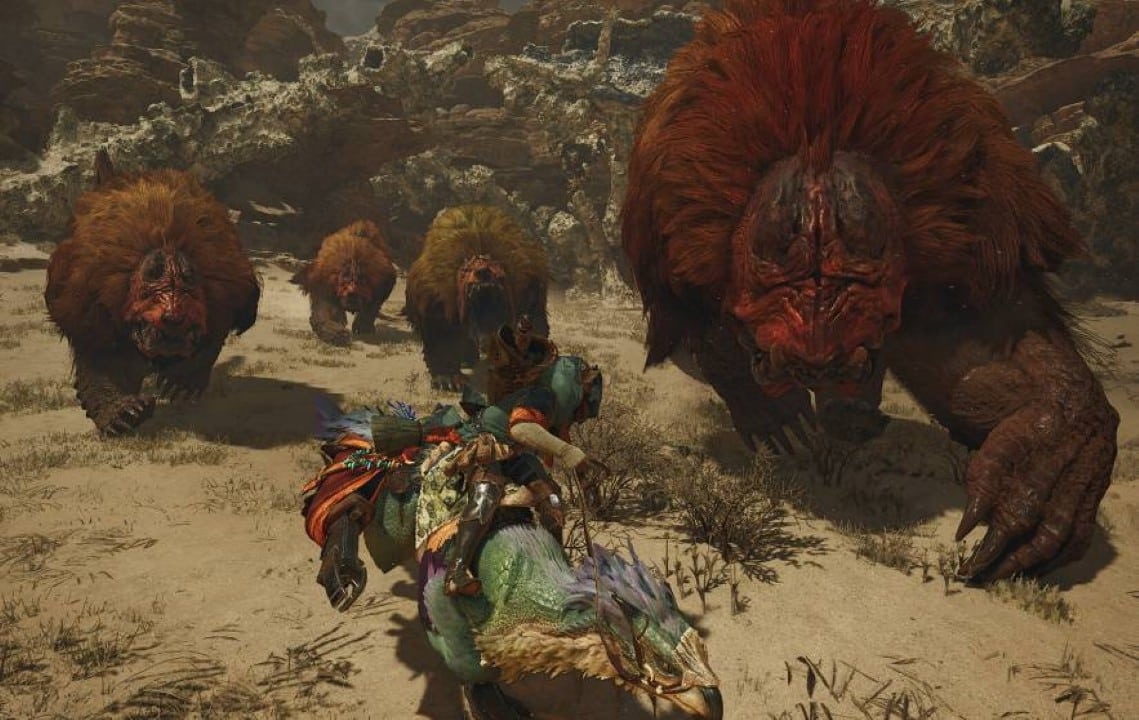
Although Nintendo and Capcom remain silent on the matter, the information offers a preliminary glimpse of what players can expect from the performance of one of the most anticipated releases of the coming years on the future Nintendo console, fueling discussions about the capabilities of the new device.
Technical optimization details
The core of the leak lies in the description of a set of optimization tools that Capcom would be implementing. One of the main mentions is a feature called “FastLoadMode”, specifically designed to minimize loading times, allowing for a smoother transition between the vast areas of the game’s map, which promise to be significantly larger than those in previous titles. Além In addition, the information details the use of a dynamic Nível of Detalhe (LOD) system, a technique that adjusts the complexity of 3D models and textures of objects distant from the player. In practice, this means that the console renders with high fidelity only what is close and in focus, saving processing resources on elements of the scene that are further away, without the player noticing a sudden drop in visual quality. Outra technology cited is “Occlusion Culling”, which prevents the graphics engine from rendering objects that are hidden behind others, like a monster behind a mountain. By combining these approaches, Capcom would be able to maintain a stable frames per second rate, even during intense combat scenes with multiple monsters and complex visual effects, ensuring that the gameplay, a pillar of the franchise, is not compromised.
The importance of RE Engine
RE Engine, the Capcom graphics engine, is a central element in this discussion. Desde made its debut with Resident Evil 7, the engine demonstrated remarkable scalability, being able to run on a wide range of hardware, from high-performance PCs to the original Nintendo Switch. Títulos and Monster Hunter Rise are a testament to this flexibility, offering a visually rich experience and solid performance on the hybrid console.
This versatility is crucial for adapting a game as ambitious as Monster Hunter Wilds. The engine allows developers to granularly adjust various graphic aspects, such as shadow quality, lighting complexity and texture resolution. This means it is possible to create specific performance profiles for each platform, ensuring that the game makes the most of the available hardware while still delivering the creators’ original artistic vision.
Performance comparison with other platforms
According to the leaked data, Monster Hunter Wilds’s performance on Switch 2 would be comparable to the “low” to “medium” settings of the PC version. Essa information, although unofficial, aligns with market expectations for a hybrid console.
This suggests that while PlayStation 5, Xbox Series
This approach is industry standard and allows major franchises to reach a wider audience, including Nintendo’s loyal player base, who value the portability and gaming experience offered by the hardware.
Leak history and the position of Capcom
It is essential to contextualize that information leaks are common in the gaming industry, but they do not always prove to be entirely accurate. Muitas times, data can be from old development versions or even speculation interpreted as fact.
To date, neither Capcom nor Nintendo have issued any official statement to confirm or deny the information. The companies maintain a strict policy of not commenting on rumors or speculation, which makes a direct response unlikely.
Therefore, all information must be treated with caution. Final confirmation on the performance and features of Monster Hunter Wilds on the new Nintendo console will only come through official announcements.
The game’s release is confirmed for 2025 for PlayStation 5, Xbox Series X|S and PC. An eventual version for the successor to Switch would depend on the release schedule of the console itself, which also remains without an official date announced by Nintendo.
What the leak suggests about Switch 2
Indirectly, the technical details about the optimization of Monster Hunter Wilds offer clues about the possible capabilities of the successor to Switch. The need to implement robust optimization techniques indicates that the console will represent a significant leap in power over its predecessor.
However, it also reinforces the idea that the device will not seek to compete directly with the raw power of the PlayStation 5 or high-end PCs, maintaining its focus on versatility and the hybrid experience that established the first model.
Rendering Strategies Revealed
One of the most interesting technical points that emerged from the leak is the possible use of dynamic resolution. Essa technique allows the game to adjust the rendering resolution in real time to maintain a stable frame rate, especially in moments of greater graphical demand.
During intense battles, for example, the resolution could be slightly reduced to ensure the fluidity of the action. In calmer and more exploratory scenes, it would return to its maximum level, offering greater sharpness. Esta is a clever and widely used strategy for optimizing performance on consoles.
Expectations for the launch
The Monster Hunter franchise has an extremely dedicated fan base on the Nintendo platforms, consolidated by titles such as Monster Hunter Generations Ultimate and Monster Hunter Rise. The prospect of playing the next major evolution of the series on a new, more powerful, portable console generates great expectations and fuels the enthusiasm of the community, which eagerly awaits official news.



