
End of New START treaty releases expansion of nuclear warheads between US and Russia and accelerates global race with China

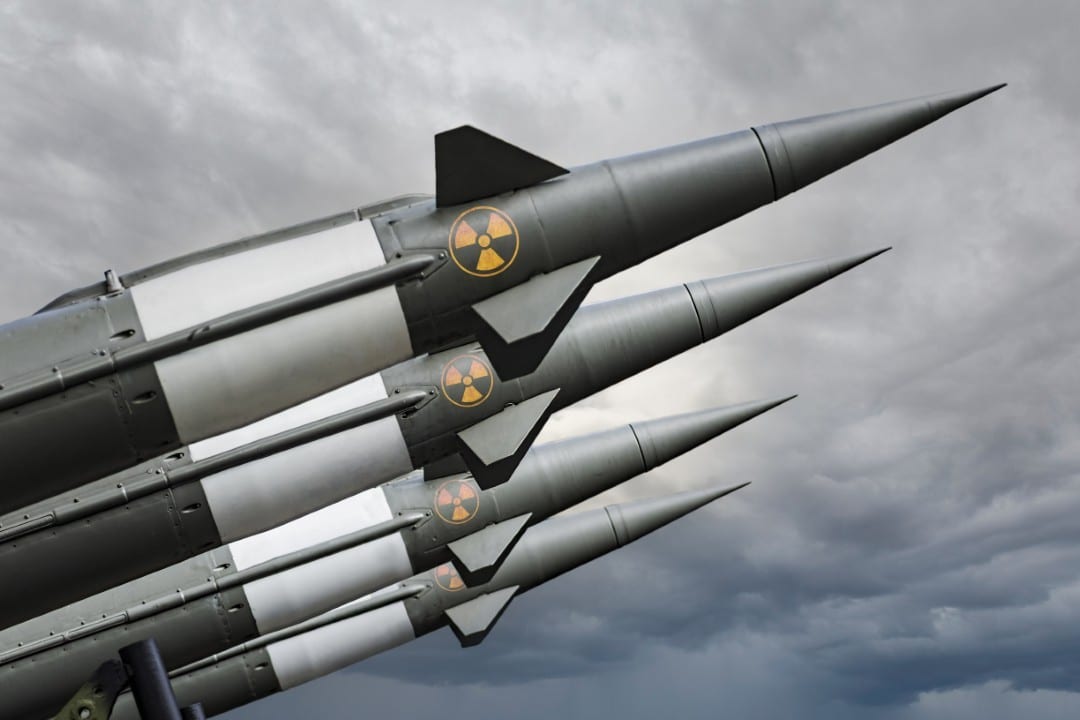
The New START treaty, the last bilateral nuclear arms control agreement between Estados Unidos and Rússia, expired on Wednesday (4) at midnight, Washington time, marking the end of verifiable restrictions on the strategic arsenals of the two largest atomic powers on the planet. Sem the pact, both countries are no longer obliged to maintain a maximum of 1,550 nuclear warheads deployed, in addition to limits on launch vectors and mutual inspections.
This situation represents the first time since the end of Guerra Fria that there is no binding legal agreement between the two nations that hold more than 80% of the world’s nuclear weapons. Analistas international experts point out that the absence of the treaty accelerates a dynamic of competition already underway, especially with the rapid modernization of the Chinese arsenal.
The expiration comes amid heightened geopolitical tensions, including conflict in the Ucrânia and rivalries in the Indo-Pacific. Especialistas highlight that the end of New START eliminates transparency mechanisms that helped reduce the risk of strategic misunderstandings.
What was the New START treaty?
Signed in 2010 by then-presidents Barack Obama and
It limited each side to 1,550 deployed nuclear warheads, 700 deployed launchers, and 800 total launchers, including intercontinental ballistic missiles, submarines, and heavy bombers. The treaty also provided for up to 18 annual on-site inspections for mutual verification.
- Deployed warheads: maximum 1,550 per country
- Detached launchers: up to 700
- Inspections: up to 18 per year in strategic installations
- Scope: long-range strategic weapons only

Factors that led to the end of the agreement
Rússia suspended its participation in the New START inspection mechanism in 2023, citing restrictions imposed by Western sanctions related to the war on Ucrânia. Os Estados Unidos, in turn, conditioned future negotiations on the inclusion of China in any new multilateral pact.
Beijing has consistently rejected participating in trilateral discussions, arguing that its arsenal is significantly smaller than those of its rivals. Washington points to Chinese expansion as the main motivation for not seeking exclusive bilateral renewal.
Experts note that the current geopolitical context, marked by mutual distrust, has made it unfeasible to extend the treaty along previous lines. The absence of direct strategic dialogue between the parties accelerated the expiration process.
Accelerated expansion of the Chinese arsenal
China remains the fastest growing among nuclear powers, with estimates indicating around 600 warheads by 2026. American Projeções and Departamento point to more than 1,000 operational warheads by 2030.
The Asian country builds hundreds of silos for intercontinental ballistic missiles and modernizes its nuclear triad, including submarines and strategic bombers. Essa modernization alters the global strategic balance previously centered on Russian-American parity.
Analysts highlight that Chinese expansion directly influences American decisions on arms control. Washington now prioritizes containment of Pequim in the Indo-Pacific over exclusive bilateral agreements with Moscou.
International reactions to the end of the treaty
The UN Secretary-General, António Guterres, classified the expiration as a serious moment for international peace and security. Ele called for urgent resumption of dialogues on nuclear disarmament between the powers.
China expressed regret at the end of the agreement, but reiterated its opposition to trilateral negotiations as long as its arsenal remains inferior. Moscou stated that it will continue to act responsibly with regard to its nuclear forces.
European countries expressed concern about increasing strategic uncertainties in the region. Organizações of arms control warn that the absence of verifiable limits could encourage other Estados to review their nuclear doctrines.
Current numbers of main arsenals
States Unidos and Rússia maintain similar total stockpiles, close to 5,000 warheads each, although only some are deployed. Expiration removes specific restrictions on the long-range strategic portion.
The China has an arsenal estimated at 600 warheads, concentrated mainly on land-based missiles. Outras nuclear powers, such as França and Reino Unido, maintain smaller stockpiles of between 200 and 300 warheads.
- USA: about 5,000 total warheads (1,550 deployed by 2026)
- Russia: about 5,500 total warheads (1,550 deployed by 2026)
- China: approximately 600 warheads (annual growth of 100)
- France: around 290 warheads
- Kingdom Unido: around 225 warheads
Historical context of bilateral agreements
The New START was the last remnant of a series of treaties begun in the Guerra Fria to limit the arms race. Previous Acordos, such as SALT I and II, established the first quantitative ceilings.
The Tratado INF, banning medium-range missiles, was abandoned in 2019 due to mutual reports of violations. START I in 1991 drastically reduced post-Soviet arsenals.
The sequence of dismantling reflects the progressive deterioration of Russian-American relations since 2014. The current absence of any binding pact represents the lowest point in the arms control regime since the 1970s.
Implications for strategic transparency
Without mutual inspections, powers lose direct access to data on adversary arsenals. Isso increases the risk of erroneous calculations in crisis situations, according to nuclear security experts.
Countries now rely exclusively on national intelligence assets to monitor developments. Essa change reduces the predictability that characterized the strategic environment in recent decades.
International organizations advocate the maintenance of military communication channels to mitigate risks. The absence of formal checks complicates efforts to build trust between the parties.
The end of New START consolidates a new phase in the competition between major nuclear powers. Current dynamics favor modernization and expansion over verifiable reduction in arsenals.




