
Expedition 74 intensifies preparations for SpaceX’s Dragon and maintains advanced research on the ISS

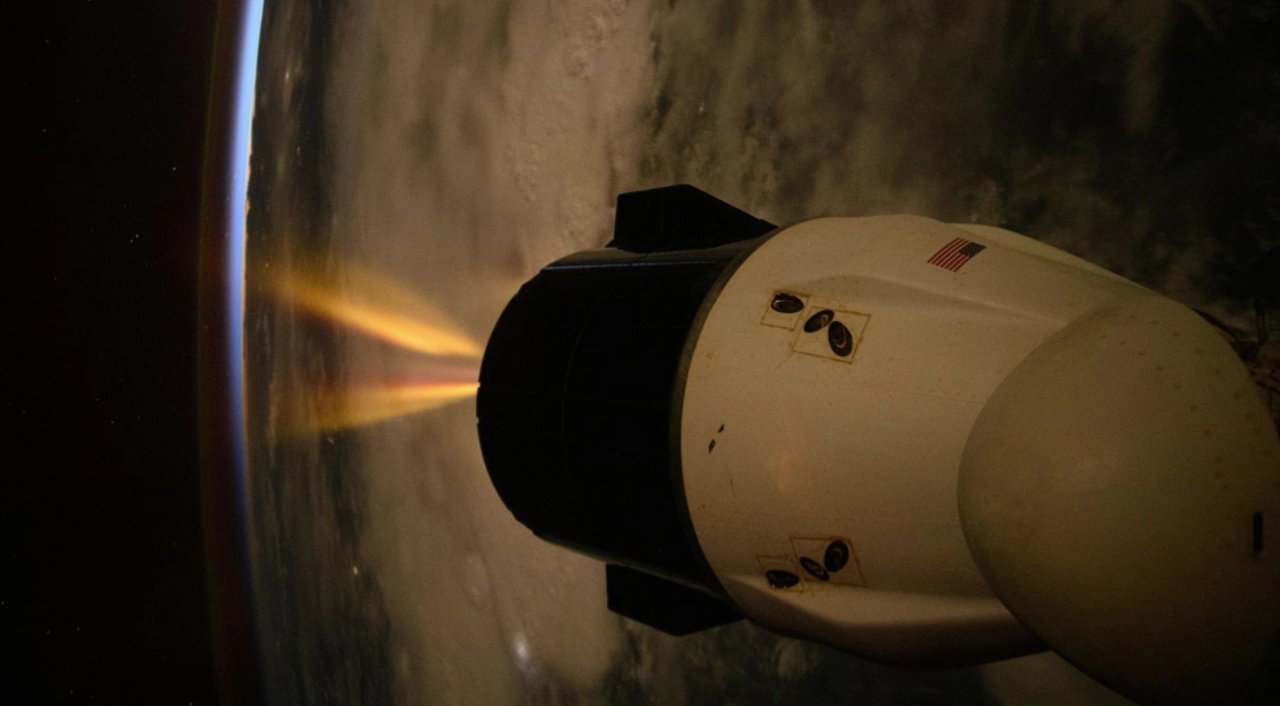
The Expedição 74 crew started the week with activities focused on preparations for SpaceX’s Dragon spacecraft and the maintenance of essential scientific equipment. The three astronauts aboard the Estação Espacial Internacional (ISS) work to ensure the continuity of research in microgravity while preparing for the arrival of the Crew-12 mission, scheduled for this month. Essas operations include securing cargo and reviewing docking procedures on module Harmony.
The current Dragon, docked since August 2025, transported experiments and supplies and is now receiving items for return to Terra. The next mission, Crew-12, is scheduled to launch no earlier than February 11, 2026 from Cabo Canaveral, on Flórida. Daily work combines technical maintenance with research that generates valuable data for terrestrial applications.
The ISS orbits at an altitude of around 400 kilometers and serves as a unique laboratory for studies impossible in terrestrial gravity. Expedição 74 maintains the intense pace of operations to welcome the four new crew members and ensure a smooth transition between missions.
Preparations for mission Crew-12
Flight engineer Chris Williams reviewed monitoring tools and procedures that will be used during the Dragon capsule’s approach to Crew-12. Ele analyzed the computers responsible for controlling the station’s orientation and the operational steps for docking with the Harmony module. Essas revisions guarantee precision in orbital rendezvous maneuvers.
Williams also devoted time to cargo operations in today’s Dragon. Ele packed completed experiments, research samples and disposable equipment for return to Terra. The spacecraft, which arrived on August 25, 2025, carried several scientific investigations and supplies for the crew.
Maintenance of scientific equipment
Chris Williams replaced power and storage components in the TangoLab installation. Essa unit supports multiple research, including studies on virulent bacteria and early cancer detection methods. Maintenance ensures the continued operation of these microgravity investigations.
Next, the engineer swapped a hard drive into Processador Avançado from Experimentos Espaciais-4. Esse equipment processes microbiology and physics samples and operates both on the ISS and on cargo ships such as Dragon and Cygnus. Regular exchanges avoid interruptions to ongoing studies.
Williams also performed additional cleaning and verification tasks on other laboratory systems. Essas actions keep the station’s scientific infrastructure in ideal conditions for upcoming missions.

Health activities and physical monitoring
Cosmonaut Sergei Mikaev started the day with an exercise session on an exercise bike monitored by electrodes and a blood pressure meter. Commander Sergey Kud-Sverchkov assisted in the assessment, which records the impacts of microgravity on the cardiovascular system. The data collected contributes to health protocols for long space stays.
Mikaev also packed obsolete equipment for disposal on ship Progress 92. Essas preventive maintenance tasks prevent operational problems.
Advanced Physics Experiments
Sergey Kud-Sverchkov installed the Plasma Kristall-4 experiment on the Columbus module. The exchange of neon gas for argon allows studies on complex plasmas in microgravity. Esses plasmas help in the development of spacecraft technologies and the understanding of planetary processes.
The commander carried out a detailed photographic inspection of the internal windows of the Zvezda module. The images will be analyzed on the ground to assess wear and optical contamination. Esse procedure occurs periodically to maintain external visibility of the station.
Mission Details Crew-12
The Crew-12 will carry four astronauts on a nine-month mission. The crew includes professionals from different space agencies.
- Commander Jessica Meir, from NASA, with previous experience in long-duration missions.
- Pilot Jack Hathaway, also from NASA, responsible for the capsule’s maneuvers.
- Sophie Adenot mission specialist, from Agência Espacial Europeia (ESA).
- Mission Specialist Andrey Fedyaev, from Roscosmos.
The Dragon capsule will be launched by an Falcon 9 rocket at 6:01 am (Flórida local time) on February 11, 2026. After docking, the new members will join the Expedição 74 and expand research capabilities.
Importance of research in microgravity
Experiments on board the ISS produce results applicable in various terrestrial areas. Estudos about bacteria in TangoLab help develop more effective medical treatments. Pesquisas of plasma physics contribute to propulsion technologies and advanced materials.
Constant maintenance of equipment guarantees uninterrupted data collection. Cada replaced or checked component extends the life of orbital laboratories. Essas operations demonstrate the logistical complexity of a permanent space station.
Activities combine routine tasks with preparations for crew expansions. The transition between expeditions has kept the ISS operational for more than 25 years. The results directly benefit future space exploration and practical applications in Terra.
Loading and return operations
The current Dragon is preparing to undock in the coming weeks carrying valuable samples. Experimentos completed returns for detailed analysis in terrestrial laboratories. The packaging process follows strict safety and preservation protocols.
The Progress 92 receives materials for controlled disposal into the atmosphere. Essas operations optimize the station’s internal space for new deliveries. Coordination between ships from different agencies exemplifies international cooperation in the ISS program.
The Expedição 74 balances multiple work fronts simultaneously. The arrival of Crew-12 will increase the ability to conduct parallel experiments. The station remains an essential platform for global scientific advances.




