
Extreme weather on the planets of the Solar System reveals radical differences in relation to Earth

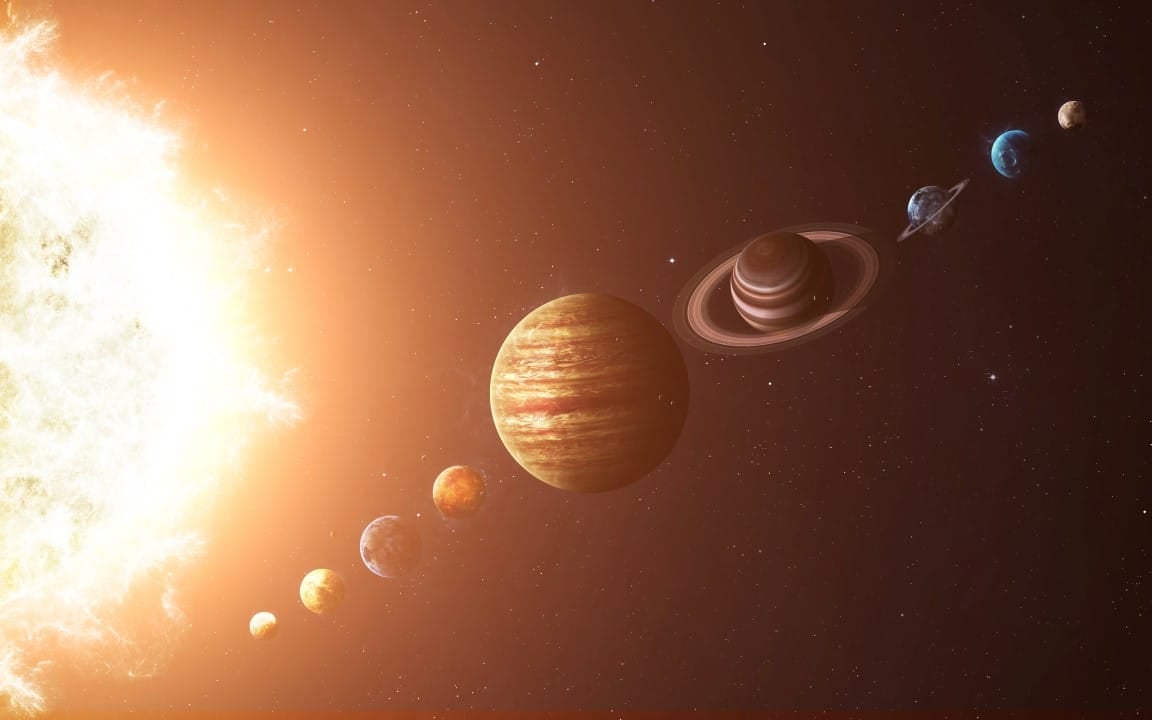
The planets of Sistema Solar present climatic conditions marked by extremes that are unparalleled in Terra. Fatores as distance from Sol, atmospheric composition, gravity and rotation determine intense thermal variations, violent winds and phenomena absent on our planet. Terra maintains balance thanks to the protective atmosphere, presence of liquid water and ideal orbital position.
This balance allows for moderate temperatures and predictable weather cycles. Nos other worlds, the absence or excess of these elements generates hostile environments. Observações of space missions confirm these differences on all celestial bodies orbiting Sol.
The comparison highlights the terrestrial uniqueness in the solar context. Cada planet exhibits unique characteristics that result from distinct physical processes.
Factors determining climatic conditions
The distance from Sol directly influences the amount of energy received by each planet. Corpos closer ones absorb intense radiation, while those far away face deep cold. Essa variation explains part of the observed thermal discrepancies.
The composition of the atmosphere acts as an essential thermal regulator. Camadas dense atmospheres retain heat, while rarefied atmospheres allow energy to escape quickly. Gravidade and rotation complete the picture by affecting heat distribution and the formation of weather patterns.
Thermal variations in Mercúrio
Mercury records extreme thermal amplitudes due to its proximity to the sun and the absence of a significant atmosphere. Durante day, the surface reaches up to 427°C, enough to melt metals such as lead. At night, temperatures drop to -173°C within a few hours.
The planet’s slow rotation contributes to this drastic wobble. Sem protective gaseous layer, heat quickly escapes into space. Essas conditions make Mercúrio inhospitable to any known life form.
Dense atmosphere of Vênus
Venus has the thickest atmosphere among the rocky planets, composed mainly of carbon dioxide. Esse envelope generates an uncontrolled greenhouse effect, maintaining an average temperature of 462°C across the entire surface. Atmospheric pressure is equivalent to 92 times that of Earth.
Sulfuric acid rains occur in the upper layers, but evaporate before reaching the ground. Ventos surface remains slow despite the rapid rotation of the upper atmosphere. Essas features create a uniform and hellish environment.
Dust storms in Marte
Mars has a thin carbon dioxide atmosphere, with average temperatures of -60°C. Daily variations range from -125°C in the polar regions to 20°C at the equator during the summer. Tempestades Global dust blocks sunlight and alters seasonal climate.
- Polar caps of dry ice sublimate and condense annually
- Winds reach 100 km/h at local events
- Suspended dust heats the upper atmosphere
- Seasonal cycles influence global atmospheric pressure
These phenomena result from low gravity and the elliptical orbit.
Atmospheric bands of Júpiter
Jupiter displays colorful bands of constantly moving clouds, driven by winds of up to 600 km/h. The temperature in the visible layers is around -145°C, but increases with depth. Grande Mancha Vermelha has persisted as an anticyclonic storm for centuries.
The planet’s internal energy fuels intense atmospheric circulation. Composição rich in hydrogen and helium forms dense layers. Raios and intense auroras occur in polar regions due to the strong magnetic field.
These dynamics create complex patterns observed by probes like Juno. The absence of a solid surface defines the concept of Jovian climate.
Rings and winds of Saturno
Saturn records average temperatures of -178°C in the upper cloud layers. Ventos zonals reach speeds similar to those of Júpiter, organized in parallel bands. Tempestades hexagonals mark the planet’s north pole.



The ring system does not directly interfere with the main atmospheric climate. Composição gas similar to that of Júpiter generates similar meteorological patterns. Missões like Cassini have documented seasonal variations over decades.
Extreme tilt of Urano
Uranus has the lowest average temperature in Sistema Solar, reaching -224°C. Sua axial tilt of 98 degrees causes extreme seasons that last decades. Ventos reach 900 km/h despite the solar distance.
The atmosphere of hydrogen, helium and methane absorbs red light, giving it a bluish hue. Camadas internal ice contributes to limited heat generation. Observações reveal discrete, fast-moving clouds.
Violent winds from Netuno
Neptune has the fastest winds of Sistema Solar, exceeding 2,100 km/h. Temperaturas averages are -201°C, with significant internal variations. Manchas temporary darkness indicates large-scale storms.
The intense blue color results from the presence of methane in the upper atmosphere. Internal Energia sustains vigorous meteorological activity despite solar distance. Sondas detected rapid changes in cloud patterns over the years.
These characteristics distinguish Netuno among gas giants. Atmospheric dynamics remain active even in extreme cold conditions.
General comparison with terrestrial conditions
The Terra maintains a thermal range between -89°C and 57°C thanks to the moderate atmosphere. Ciclo of water and plate tectonics regulate global climate in unique ways. Outros planets lack these stabilizing mechanisms.
Optimal orbital distance places Terra in the habitable zone. Atmosfera rich in nitrogen and oxygen filters harmful radiation. Esses combined elements allow for moderate climate diversity and life support.
Influence of gravity and rotation
Fast-rotating planets distribute heat more evenly. Slowly rotating Corpos develop sharp thermal contrasts. Gravidade determines atmospheric retention over geological time.
Mercury and Marte lost dense atmospheres due to low gravity. Gigantes gases retain extensive envelopes due to the elevated mass. Esses factors shape climate patterns observed in each world.
Earth’s 24-hour rotation creates balanced daily cycles. Períodos rotational extremes on other planets generate long days and prolonged nights. Essas fundamental differences explain radical climate variations.
Space mission observations
Space probes provide detailed data on planetary atmospheres. Instrumentos accurately measure gas composition, temperatures and wind speeds. Imagens reveal the evolution of storms over time.
- Voyager documented winds on gas giants
- Juno maps internal structure of Júpiter
- Perseverance records current Martian conditions
- Hubble monitors remote seasonal changes
These missions expand understanding of solar climate dynamics.
Veja Tambem em News (EN)

Research reveals that parents are unaware of how their children use artificial intelligence

Samsung releases new system update with new features for Galaxy Watch 4 users

Digital retail reduces the value of the Galaxy S25 5G smartphone with bank bonuses and device exchange

Amazon’s wireless CarPlay adapter has a 50% discount and high approval ratings from drivers

Zach Cregger’s new Resident Evil ignores games and focuses on an unprecedented story with new characters

Rumor suggests that Nintendo is preparing a special edition of the Switch 2 with a remake of Ocarina of Time

Apple accelerates production of the iPhone 17e and develops new Air model with dual camera system

Epic Games platform releases twelve high-budget games at no permanent cost for PC users

PlayStation 5 Pro price drop accelerates digital retail sales and eliminates global stocks

New Galaxy Watch 9 firmware appears on server and confirms progress in software development

Apple’s commemorative project tests cell phone with 1.1 millimeter edge and curved screen for 2027
