
Square Enix opts for Unreal Engine 4 at the end of Final Fantasy VII to speed up development


Square Enix announced that the third and final part of the acclaimed Final Fantasy VII Remake trilogy will be developed using the Unreal Engine 4. The information, confirmed by director Naoki Hamaguchi, points to a strategy focused on optimizing production time and maintaining consistency with the previous titles, Instead of migrating to a more recent technology, such as Unreal Engine 5, the development team prefers to capitalize on the customizations and tools already established, ensuring a more agile launch to conclude the saga.
This approach allows developers to avoid the potential delays and technical challenges associated with adopting a new graphics engine. Familiarity with UE4’s custom platform is a crucial factor in maintaining work momentum and focusing on content creation, polish, and delivering a cohesive final experience for fans awaiting the conclusion of Cloud Strife and his companions’ journey.
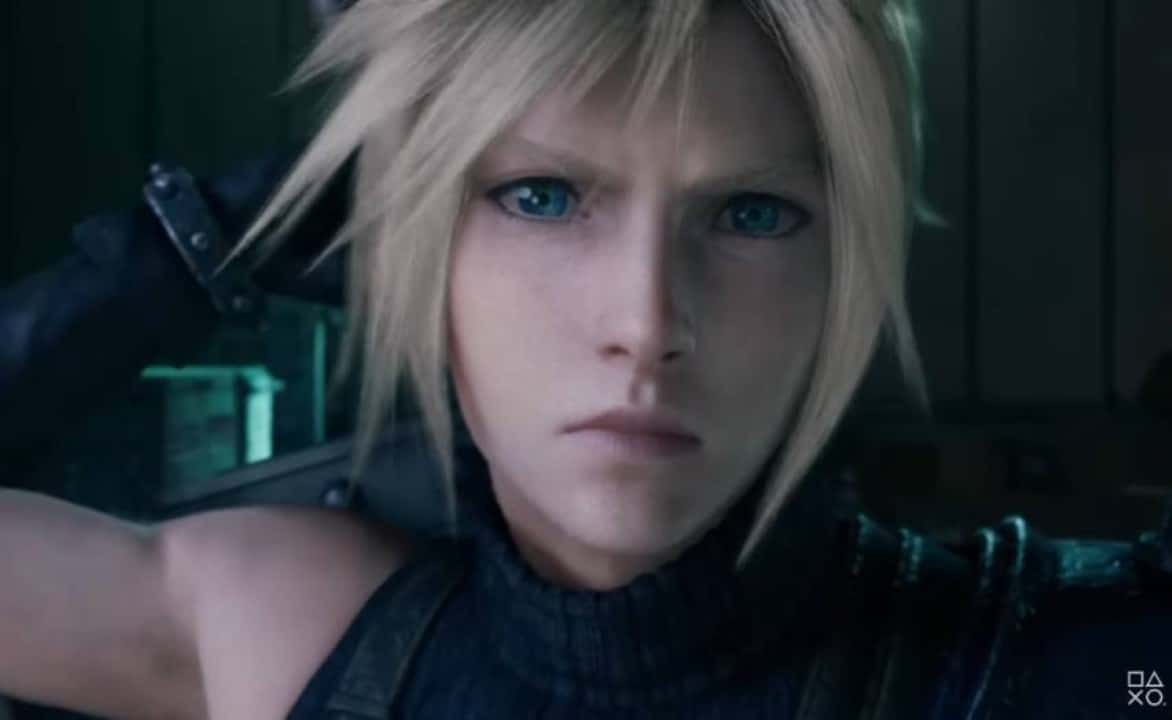
Progress on the development of the final chapter is already at an advanced stage. The game’s core structure is functional and playable internally, with the team now directing its efforts towards final refinements and implementing additional content that will enrich the player experience. The decision to maintain the technological base solidifies the company’s commitment to finishing the trilogy without long gaps between releases.
The pragmatic choice for efficiency
The decision to remain with Unreal Engine 4 was the result of a careful analysis of the project’s resources and schedule. Over the course of almost a decade, the Square Enix team invested heavily in modifying the graphics engine, creating a highly specialized version that perfectly meets the demands of the Final Fantasy VII universe. Essas changes range from the hybrid combat system to the complex tools for creating cinematic scenes.
Moving to Unreal Engine 5 would mean discarding years of work and rebuilding much of these custom tools. Tal process would consume significant time and resources, in addition to introducing new technical risks that could impact quality and delivery time. Portanto, maintaining current technology is the safest and most efficient way to deliver a result that meets expectations.
Internal analysis of Unreal Engine 5
The possibility of adopting Unreal Engine 5 was seriously considered by the project leadership. Director Naoki Hamaguchi had already publicly commented that the benefits of the new technology were under evaluation, especially in relation to the graphical and performance advances that could be implemented.
However, after an in-depth technical analysis, the team concluded that the potential gains would not justify the enormous adaptation effort. The workflow, customized tools and team expertise would have to be restructured, which could compromise the cohesion of the trilogy.
Square Enix’s top priority has always been to conclude the saga consistently, preventing a drastic technological change in the final stretch from fragmenting the player’s experience.
Development progress and news
The development of the final part of the trilogy is at an advanced stage, surpassing the pre-production stage. Grande part of the content has already been implemented and can be played from start to finish by the internal team, which is now dedicated to polishing and optimizing.
The game’s main narrative has now been completed, with final adjustments made at the request of producer Yoshinori Kitase to ensure a memorable and satisfying outcome to the story that captivated millions of players around the world.
Elements that were successful in Rebirth, such as the popular card minigame Queen’s Blood, are confirmed to return. The expectation is that it will come with improvements and new content to further expand its strategic depth.
Additionally, other classic features from the original Final Fantasy VII, such as the iconic snowboarding minigame, will be recreated and modernized, promising to bring a dose of nostalgia with new layers of entertainment to complement the main journey.
Team expertise and technical optimizations
Maintaining Unreal Engine 4 as the technology base offers a fundamental benefit: the team’s deep familiarity with the development environment. Programmers, artists, and designers don’t have to go through a new learning curve, allowing all of their creative energy to be channeled into world-building, side quests, and gameplay systems. Essa expertise, accumulated throughout the development of Remake and Rebirth, significantly accelerates the production cycle, resulting in a more agile and efficient process.
The customizations made to the engine are extensive and range from graphical optimizations to render the vast world of Gaia to refined real-time combat systems for maximum fluidity. Ferramentas of narrative adjusted for highly complex cinematic scenes and personalized audio integrations are also part of the package, ensuring a high level of immersion. Manter This solid foundation minimizes the occurrence of bugs and technical issues, paving a smoother path to launch.
The importance of visual and narrative consistency
By consolidating Unreal Engine 4 as the backbone of the entire trilogy, Square Enix ensures remarkable visual and technical consistency between the three games. Essa strategic decision ensures that players have a fluid and natural transition from Final Fantasy VII Rebirth to the final chapter, without any stylistic or performance disruptions that could break immersion. Technological unification allows the three titles to be seen as a single, grand work, where the art style, performance and gameplay remain cohesive from start to finish. Isso is particularly important for a saga with such an interconnected narrative, as it preserves the integrity of the original creative vision and strengthens the sense of an ongoing journey. The consistency is also reflected in the user experience, which will not need to adapt to new mechanics or a drastically different look, allowing the focus to remain entirely on completing the epic story of Cloud and his allies.
Title definition and next steps
An important milestone in development has already been reached: the official title of the third part has been defined. The final choice was made by creative director Tetsuya Nomura, who considered several options before making the final decision at the end of last year. Embora the name has already been decided internally, it will be kept secret until the official announcement, which should occur at a strategic moment for the game’s marketing campaign.



