
Toyota Yaris Cross XR debuts on the SUV market with a price to intensify the competition with direct rivals


The Toyota officially announced the arrival of the Yaris Cross XR on the national market, a strategic move that intensifies competition in the fierce compact SUV segment. The new model’s mission is to challenge established sales leaders, betting on a combination of modern design, energy efficiency and a robust equipment package to attract consumers.
Positioned to compete directly with vehicles like the Honda WR-V and the Nissan Kicks, the Yaris Cross XR enters the fray with a launch price carefully calculated to be one of its main attractions. The automaker seeks to gain market share among buyers looking for a versatile vehicle for urban use, but who do not compromise on technology and safety.
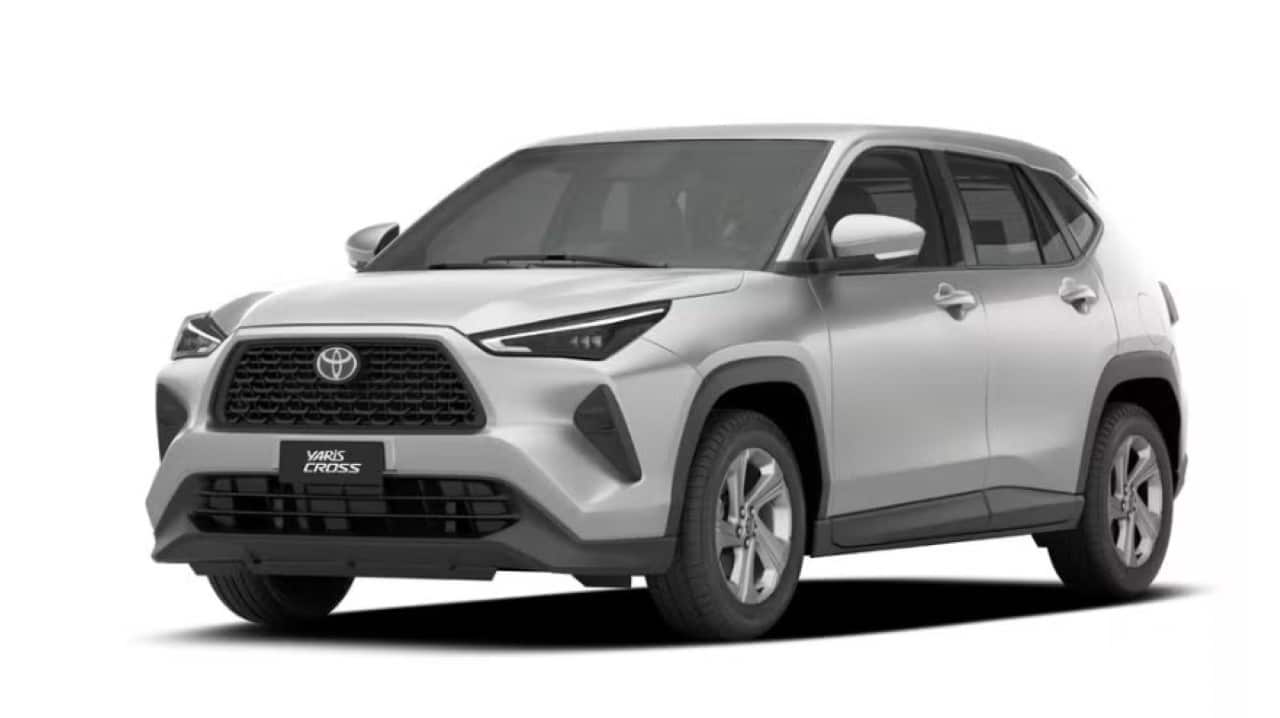
The introduction of the new SUV is part of Toyota’s strategy to expand its presence in one of the most popular categories in the country. The vehicle is built on the modern DNGA platform (Daihatsu New Global Architecture), which promises to offer a good balance between structural rigidity, safety and driving comfort, essential characteristics that should stand out in drivers’ evaluations.
Pricing strategy and direct confrontation in the market
The Toyota Yaris Cross XR arrives at dealerships with a suggested retail price of R$149,990. Esse value puts you in a head-to-head matchup with your closest competitors. The Honda WR-V, for example, is sold in versions ranging from R$ 147,100 (EX) to R$ 152,100 (EXL), positioning the Toyota model exactly between the rival’s two options, offering a competitive and well-balanced alternative in terms of cost-benefit.
On the other hand, the Nissan Kicks, one of the veterans and best sellers in the category, offers the Advance Plus version for R$ 149,890, a value practically identical to that of the Yaris Cross. Essa parity of values demonstrates Toyota’s intention to fight a direct battle for each customer, forcing consumers to analyze in detail the equipment packages, performance and maintenance costs of each model before making the purchase decision, further heating up competition in the segment.
Engine analysis and performance compared to competitors
Under the hood, the Toyota Yaris Cross XR is equipped with a 1.5 flex four-cylinder engine, capable of delivering up to 111 horsepower and 14.9 kgfm of torque. Este engine is associated with a CVT automatic transmission that simulates seven speeds, a configuration that prioritizes smooth driving and fuel consumption efficiency, focusing on comfort for daily use. In comparison, the Honda WR-V uses a 1.5 engine with direct injection that generates a higher power of 126 horsepower and 15.8 kgfm of torque, also coupled to a CVT transmission. The Essa difference gives the Honda model a little more agility in accelerations and restarts, attracting those looking for a more vigorous performance. Já The choice between the three will depend on the profile of each driver, with the WR-V appealing more to those looking for performance, and the Yaris Cross and Kicks balancing efficiency and performance more conservatively.
Fuel efficiency as a differentiator
One of the main selling points of the Toyota Yaris Cross XR is its energy efficiency. Segundo official data, the model has an urban consumption of 12.6 km/l and a highway consumption of 14.3 km/l when fueled with gasoline.
With ethanol, the numbers are 8.8 km/l in the city and 10.2 km/l on the highway, respectively.
These values position it as one of the most economical options in the segment, directly surpassing its competitors. The Honda WR-V, for example, achieves 12 km/l in the city and 12.8 km/l on the highway with gasoline, while the Nissan Kicks records averages of 11.3 km/l (urban) and 13.7 km/l (highway) with the same fuel.
Dimensions and internal space for occupants
In terms of dimensions, the three SUVs have very similar measurements, but with notable differences in the use of space. The Toyota Yaris Cross XR is 4.31 meters long and has a wheelbase of 2.62 meters.
The Honda WR-V is the largest of the trio, measuring 4.32 meters long and with a wheelbase of 2.65 meters.
This small advantage translates into slightly more generous interior space for rear seat passengers, especially when it comes to legroom.
The Nissan Kicks, 4.30 meters long and with a wheelbase of 2.61 meters, offers a trunk capacity of 432 liters, surpassing the 390 liters of the Yaris Cross and the 363 liters of the WR-V, being a strong point for those who need more luggage space.
Internal finishing and materials used
The quality of the interior finish is a point where the three models seek to differentiate themselves. The Yaris Cross XR and Honda WR-V stand out for their use of soft-touch materials on the dashboard, which increases the perception of quality and sophistication in the cabin.
With regard to seats, the top version of the WR-V (EXL) has leather upholstery, an item valued by many consumers. On the other hand, both the Yaris Cross XR and the Nissan Kicks Advance Plus feature seats covered in high-quality fabric, which offer comfort and a modern look to the interior.
Embedded technology and connectivity
Technologically, the three SUVs are well equipped to meet the demands of modern consumers. Todos offer standard multimedia centers with wireless connectivity for Android Auto and Apple CarPlay. The Yaris Cross XR and Honda WR-V have 10-inch screens, while the Nissan Kicks has a 9-inch display. The presence of this technology as a standard item reinforces competitiveness between models, ensuring that drivers have easy access to navigation, music and communication applications.



