
What is the phase of the Moon today, Thursday February 5, 2026: full phase and lunar calendar

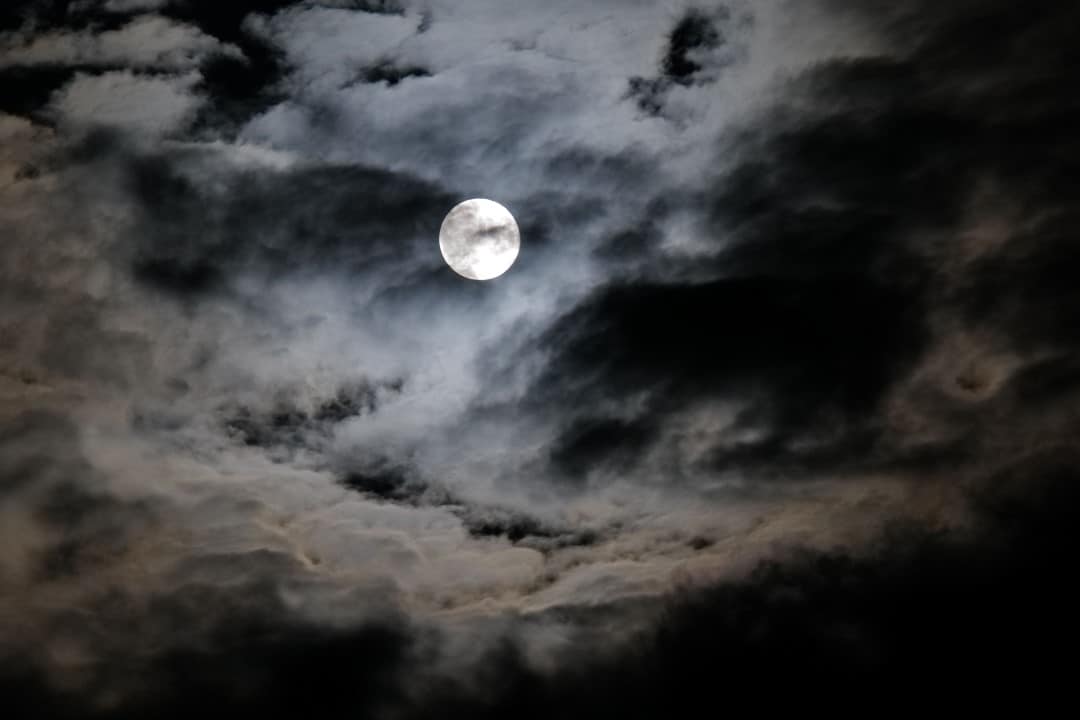
Lua reaches maximum visible illumination in several regions of the country on this date. Observadores record the lunar disk almost completely illuminated by Sol, configuring the appearance of a full phase even days after the exact peak.
The phenomenon occurs due to the alignment between Sol, Terra and Lua. Esse positioning allows the side facing Terra to receive full sunlight, creating a nighttime spectacle accessible to the naked eye.
Millions of people in cities and rural areas take advantage of the extra light for outdoor activities. Astrônomos amateurs and professionals monitor the event with simple equipment or telescopes.
What defines the lunar phases
The phases of Lua result from variations in the illumination of the visible surface of Terra. The complete cycle, called the synodic month, lasts an average of 29.5 days and repeats itself in a predictable manner.
The relative position between Sol, Terra and Lua determines how much of the lunar disk appears illuminated. In the full phase, the Lua is opposite the Sol in relation to the Terra, receiving light on the entire visible side.
This natural process influences phenomena such as more intense ocean tides. Pesquisas Scientific studies confirm that lunar gravity combined with solar gravity generates greater amplitudes during this phase.
Historical observations record the use of phases for agricultural calendars in various cultures. Agricultores traditional people plan planting and harvesting based on these visible cycles.

Complete February 2026 Calendar
February 2026 features four main phases of Lua on specific dates. The timetables consider the time zone of Brasília, facilitating monitoring throughout the national territory.
- Full moon: occurs on February 1st at 7:10 pm, marking the peak of maximum illumination.
- Waning moon: recorded on February 9 at 9:44 am, when half of the disk remains visible.
- Lua new: happens on February 17 at 9:03 am, making the Moon invisible to the naked eye.
- Crescent Moon: appears on February 24th at 9:28 am, with increasing illumination on the right portion.
These dates allow planning astronomical observations throughout the month. Condições clear weather favors visibility in regions Sul and Sudeste of Brasil.
How to observe the full Lua safely
Observing the full Lua requires few resources and follows basic safety rules. Binóculos Ordinary or small telescopes reveal details such as craters and lunar maria clearly.
Avoid looking directly at Sol during the day, even with Lua visible at times close to dawn or dusk. Equipamentos with solar filters protect your eyes during daytime observations.
Astronomy applications for cell phones indicate the exact position of Lua in the sky in real time. Esses free tools show the sunrise and sunset times of Lua in any Brazilian city.
Urban parks and areas away from light pollution offer better visibility conditions. Grupos of astronomers organize public events in different capitals during busy periods.
Scientific facts about the lunar cycle
The lunar cycle maintains an average duration of 29 days, 12 hours and 44 minutes since ancient measurements. Essa precision allows accurate predictions for future years based on mathematical calculations.
Lua moves away from Terra by about 3.8 centimeters per year, slightly changing tides over millennia. Estudos Geological studies confirm this gradual movement by analyzing lunar rocks.
Space missions such as Apollo collected samples that prove the composition of the lunar surface. Esses data helps understand the formation of the natural satellite billions of years ago.
Space agencies constantly monitor lunar movement for future missions. Programas like Artemis plan human returns to Lua in the coming decades.
Influence of phases on ocean tides
High tides register greater amplitude during full and new phases due to gravitational alignment. Forças of Sol and Lua add up, raising sea levels on Brazilian coasts.
Oceanographic research maps variations on beaches in the country’s Nordeste and Sul. Esses data assists predictions for fishing and coastal navigation in specific periods.
Port authorities use lunar calendars to plan maritime operations. Large Navios depend on favorable tides for docking in ports such as Santos and Rio of Janeiro.
Coastal communities adapt artisanal fishing routines to lunar variations. Pescadores Experienced people know patterns that increase captures in specific phases.
Tips for Amateur Lunar Photography
Photographs of the full Lua require cameras with optical zoom or telephoto lenses. Configurações exposure manuals avoid overexposure of the bright disc.
Tripods stabilize images in long exposures at night. Celulares modern models with night mode capture reasonable details with dedicated apps.
Basic editing adjusts contrast and sharpness without altering the star’s real features. Fotógrafos share results on astronomy networks to exchange experiences.
Ideal conditions include cloudless nights and low atmospheric humidity. Regiões elevated like mountain ranges offer cleaner air for sharper images.
Traditional names of the Lua full of February
North American indigenous cultures call the full Lua of February as Lua da Neve. The name reflects periods of intense snowfall in regions of the Norte hemisphere.
Other traditions call it Lua da Fome due to the scarcity of food in the harsh winter. Esses names vary between tribes and reflect seasonal climatic conditions.
In the Sul hemisphere, including Brasil, February corresponds to summer with abundant rain. Observadores places adapt names according to regional characteristics of each year.
Historical records preserve these denominations in modern astronomical almanks. Publicações specialized lists cultural variations for each lunar month.
Preparation for the next phases of the month
The transition to waning Lua occurs progressively after peak illumination. Observadores notice a daily reduction in the illuminated portion until the last quarter.
New moon on February 17 favors views of distant stars and galaxies. Dark Céu without lunar interference benefits deep-sky observations.
Crescent phase ends the cycle with increasing illumination visible at night. Esse period prepares the ground for the next Lua flood in March.
Astronomy clubs plan specific sessions for each transition. Participantes learn to identify daily changes in the lunar shape.
Lua remains visible in its almost full phase this Thursday, February 5, 2026. The monthly calendar offers varied observation opportunities until the end of the period.
Lunar phenomena remain accessible throughout the national territory with suitable conditions. Dados accurate meteorological institutions assist in planning related activities.



