
Xiaomi smart watches: a guide to models from R$229 to R$899 and their features

Xiaomi consolidated its presence in the Brazilian wearable devices market with a diverse line of smartwatches, which cater to different consumer profiles. The brand’s strategy is based on offering advanced technology with a competitive cost-benefit, offering devices with prices starting at R$229 for entry-level models and reaching R$899 for the most sophisticated versions, ensuring an option for every need and budget.
The current portfolio reflects a significant advancement in quality and features, with a focus on high-definition displays, long-lasting batteries and improved integration with the company’s application ecosystem. Funções such as calls via Bluetooth and health monitoring, previously limited to premium segments, have been democratized and are present in a large part of the catalog.
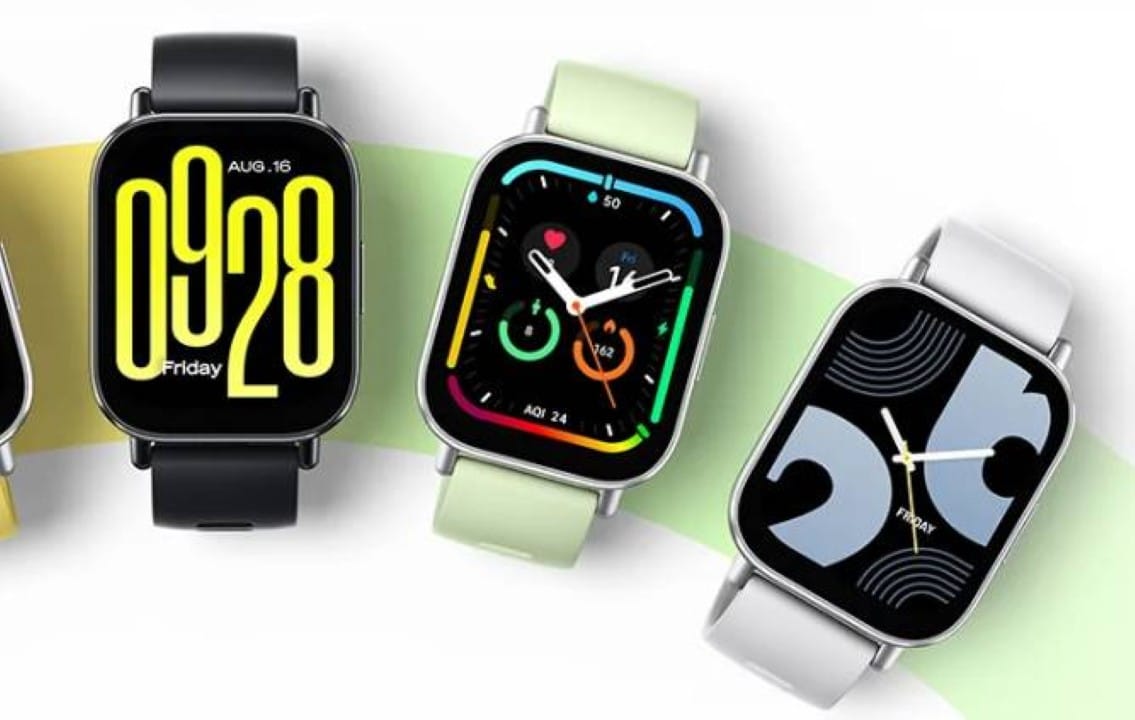
Positive public reception is driven by the search for devices that combine water resistance with broad compatibility with Android smartphones. The variety of models allows users to choose the watch that best aligns with their lifestyle, whether for tracking physical activities, managing notifications or continuously monitoring well-being.
Features present in the smartwatch line
Regardless of price range, Xiaomi smartwatches share a robust foundation of functionality. Most devices come equipped with AMOLED or LCD technology screens, which provide intense brightness and guarantee excellent visibility even in direct sunlight. Essa feature is essential for visualizing data during outdoor activities, improving the user experience in training and in everyday life. The quality of the display is complemented by fluid interfaces, which facilitate navigation between menus and applications.
Health sensors are one of the pillars of the line, including continuous heart rate monitoring, blood oxygenation level measurement (SpO2) and detailed sleep phase tracking. Para For those who practice sports, the watches offer more than 100 training modes, 5 ATM water resistance (allowing use when swimming) and, in different versions, the ability to make and receive calls directly from the wrist through the Bluetooth connection, offering more convenience and security.
Entry options focused on the essentials
For those looking to enter the world of wearables without a large investment, the Redmi Watch 5 Active appears as one of the most competitive alternatives. Comercializado with prices starting at R$229, this model has a 2-inch LCD screen that offers good resolution for displaying notifications and health metrics.
One of its main differences is the inclusion of calls via Bluetooth, a functionality enhanced by microphones with noise reduction technology, which guarantee clearer conversations. Battery autonomy can reach up to 18 days with moderate use, making it ideal for those who don’t want to worry about frequent recharges.
Another standout choice in this category is the Xiaomi Smart Band 9 Active. Costing approximately R$250, it has a 1.47-inch screen with a refresh rate of 60 Hz, which results in smoother animations and navigation. The device supports 50 training modes and the main monitoring features, making it an excellent option for those who prefer a lighter and more discreet device.
Intermediate models with AMOLED screen
Advancing to the mid-range segment, the Redmi Watch 5 stands out for providing a superior user experience. With a starting price of R$699, its biggest attraction is the 2.07-inch AMOLED screen, which has thin edges and offers immersive viewing, with more vibrant colors and deep blacks, surpassing the quality of LCD panels.
This smartwatch already comes with built-in GPS, which allows accurate tracking of outdoor activities, such as running and cycling, without the need to carry your smartphone. Essa Independence is a crucial factor for athletes looking to optimize their training and record routes accurately.
The device also has a linear motor, which offers more sophisticated tactile feedback for notifications and alerts, making interaction more pleasant. The battery life of the Redmi Watch 5 is one of its strongest points, reaching an impressive 24 days of moderate use.
In the same category, the Xiaomi Smart Band 9 Pro, priced at around R$499, also stands out. Ela combines built-in GPS with a high-quality AMOLED display and more advanced monitoring features such as in-depth analysis of stress levels and sleep quality, providing a complete insight into the user’s health.
Premium versions for demanding users
At the top of the line, the Xiaomi Watch S3 positions itself as the definitive choice for those looking for the maximum in technology, design and customization. With prices ranging between R$699 and R$899, the device is built with a stainless steel case and a 1.43-inch circular AMOLED screen, giving it an elegant and durable look, suitable for both sports and corporate environments. The model’s biggest difference is the possibility of changing the bezels and bracelets, allowing the user to adapt the watch to different styles and occasions. Essa innovative feature transforms the device into a fashion accessory, going beyond its technological functionalities. In terms of hardware, the Watch S3 offers eSIM support in some of its variants, ensuring smartphone-independent connectivity for calls and mobile data usage. Seus health sensors are more accurate, with improved blood oxygen monitoring and the inclusion of a compass and altimeter, essential tools for hiking and other outdoor activities. Water resistance of 5 ATM is maintained, making it suitable for swimming, while the battery delivers solid performance of up to 15 days, even with intensive use of features such as GPS and cellular connection.
Battery and connectivity comparison
Battery life is a decisive factor when choosing a smartwatch, and the Xiaomi offers staggered performance between its models. Entry options, such as the Redmi Watch 5 Active, guarantee up to 18 days of use on a single charge, an excellent number for those who value convenience. The Redmi Watch 5 increases this mark to up to 24 days in standard mode, even with an AMOLED screen and more advanced features.
Premium models like the Xiaomi Watch S3, in turn, balance features and energy, offering up to 15 days of autonomy. Esse value may decrease with constant use of eSIM and GPS, but it still remains highly competitive in the market. Connectivity also evolves with price: while all models offer stable Bluetooth, mid-range and premium versions add integrated GPS. eSIM support on the Watch S3 represents the pinnacle of connectivity, providing almost total independence from the cell phone.
Software and ecosystem updates
Xiaomi ensures consistent software support for its wearables through the HyperOS operating system, which receives periodic updates. Essas improvements often include the addition of new sports modes, optimizations to health sensor algorithms, and important security fixes.
This update cycle extends the useful life and relevance of devices in the market, ensuring that users have access to new features and performance improvements even after purchase. Integration with the Mi Fitness application allows data synchronization and detailed control over health metrics and physical activities.
Compatibility with system Android
Compatibility with the Android ecosystem is one of the strengths of the Xiaomi line of smartwatches. Todos models are designed to connect quickly and stably with the vast majority of smartphones that use the Google operating system, ensuring that the user receives application notifications, calls and messages directly on their wrist without communication failures.



