
After dispute with Nokia, Oppo resumes sales in Germany with the powerful Find X9 Pro and the Reno line

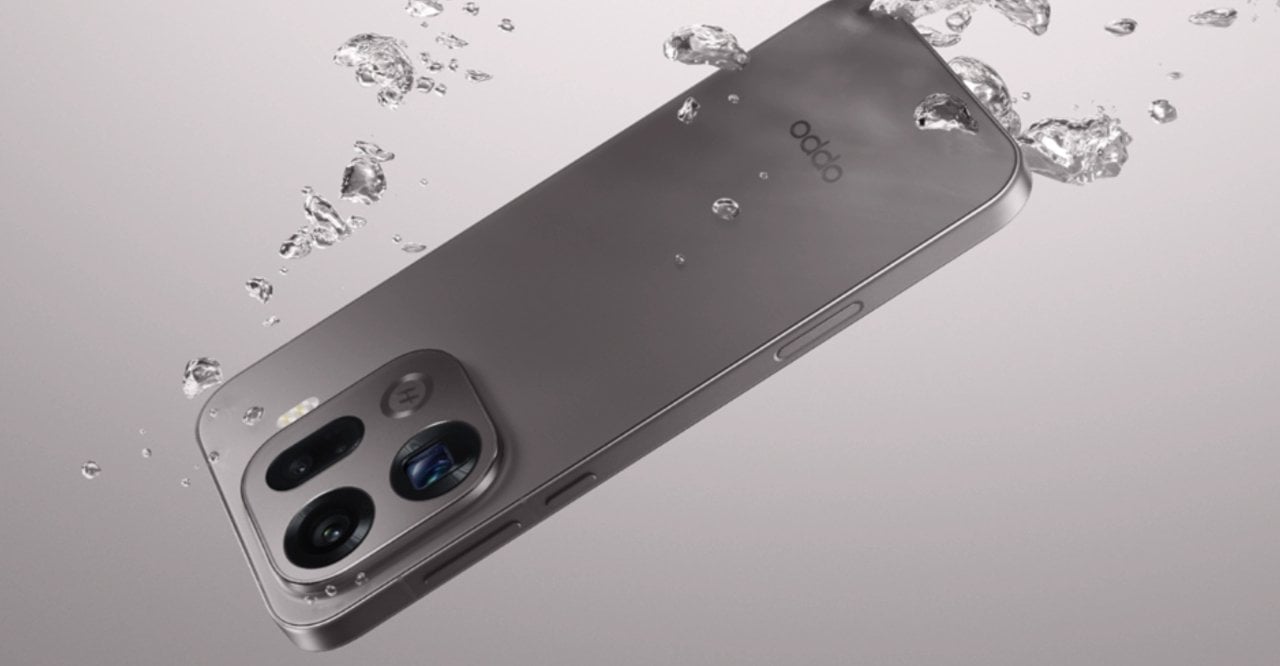
Chinese electronics manufacturer Oppo has officially returned to the German market, reactivating its official online store after an absence of more than three years. Consumidores in the country can now directly purchase a range of smartphones from the brand, ranging from entry-level models to the long-awaited top of the line, the Find X9 Pro, marking a new chapter for the company at Europa.
The relaunch includes not only the premium device, but also several devices from the popular Reno series, known for its balance between cost and benefit, and the A line, aimed at the entry-level segment. Esta strategic move reestablishes Oppo’s presence in one of the most important technology markets on the continent.
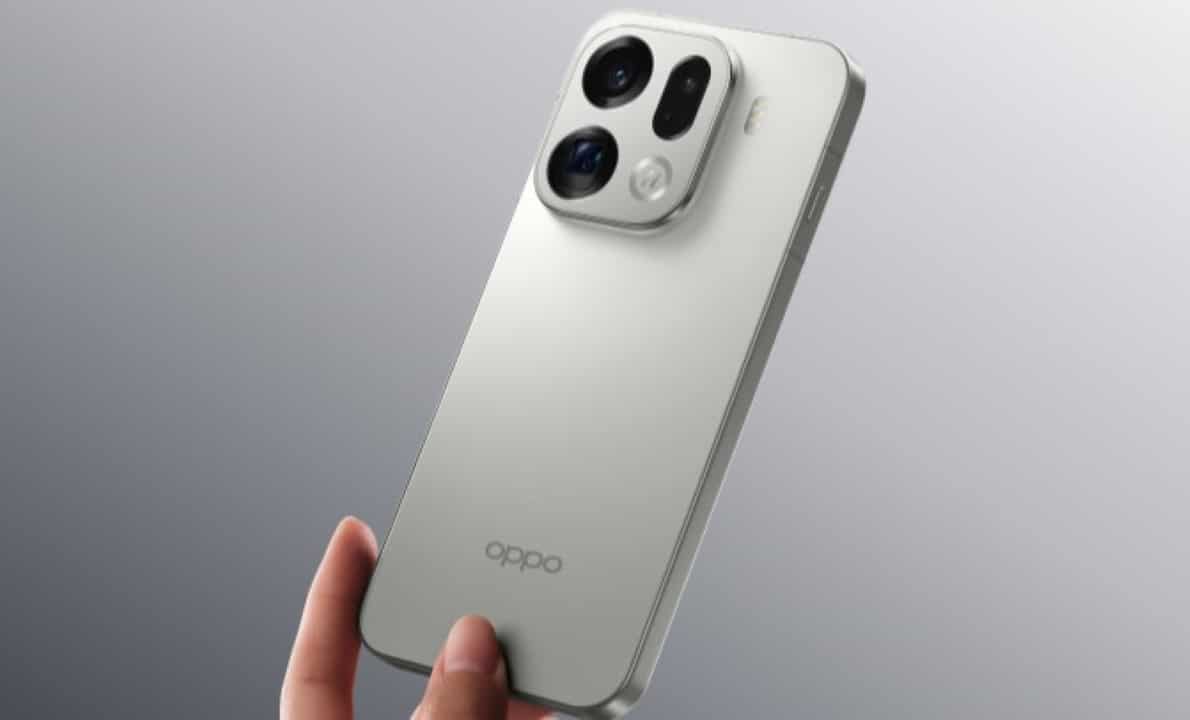
The return comes months after the resolution of a prolonged legal dispute over patents with Nokia, which had forced the suspension of sales of Oppo at
End of patent dispute with Nokia
The interruption of Oppo’s operations in Alemanha was a direct result of a court decision handed down in 2022. Tribunais regions in Munique and The patents in question are considered standard essentials (SEPs), meaning they are crucial for devices to function on modern networks, making licensing a mandatory step. The court ruling resulted in an immediate ban on sales of Oppo smartphones in the country, a significant blow to its European expansion plans. The legal impasse lasted for almost two years, during which the company redirected its efforts to other markets. The solution came in early 2024, when both companies announced a global patent cross-licensing agreement, putting an end to all pending litigation in several jurisdictions. Este agreement not only allowed Oppo to resume its sales, but also established a foundation for future technological collaboration, ensuring legal compliance and long-term stability of operations.
The flagship Find X9 Pro in the spotlight
Leading the Oppo offensive in the German market is the Find X9 Pro, a smartphone that positions itself firmly in the premium segment. With a launch price set at approximately 1,300 euros, the device was designed to compete directly with leading competitor models such as the Samsung and Apple. The device’s biggest difference lies in its advanced camera system, developed in partnership with the renowned Swedish camera manufacturer Hasselblad, promising a professional-level photographic experience, with color calibration and high-fidelity image processing.
Internally, the Find Para To support this performance, the device has a robust 7,500 mAh battery, offering autonomy for more than a day of intense use. The screen is another strong point: a 6.78-inch LTPO AMOLED panel with an adaptive refresh rate of up to 120Hz, which adjusts the frequency dynamically to save energy. The display reaches an impressive maximum brightness of 3,600 nits, ensuring excellent visibility even in direct sunlight.
Camera system with Hasselblad technology
Collaboration with Hasselblad is the cornerstone of the Find X9 Pro photography experience. The rear camera system is led by a 50 MP main sensor with optical image stabilization (OIS), which ensures sharp photos and stable videos even in low light conditions.
The highlight of the set is the 200 MP periscope lens, which allows for high-quality optical zoom and assisted digital zoom that can reach 120x. Essa capability lets you capture details of distant objects with remarkable clarity for a smartphone.
Complementing the set, the device has a 50 MP ultrawide sensor for photos with a wide field of view and a 50 MP front camera. Recursos features such as laser autofocus (Laser AF) and a color spectrum sensor improve focus accuracy and white balance, resulting in more natural, realistic color images.
Other models available in the German store
In addition to the Pro model, Oppo has made available the standard Find X9, which shares many of the specifications of its more expensive brother, but with a slightly simplified camera system and a more affordable price, around 1,000 euros.
For the mid-range segment, the Reno14 series arrives as a strong option, offering a stylish design and a balanced set of specifications that suit most users, with a focus on performance and camera capabilities at a competitive cost.
At the base of the portfolio, the A line offers entry-level devices designed for consumers looking for essential features, such as good battery life and a reliable user experience, without the need to invest in premium features.
The initial sales strategy is focused on the brand’s own online channel, ensuring control over the customer experience. However, it is expected that the products will gradually begin to appear in large partner retail chains in the coming weeks, expanding the brand’s reach in the country.
Accessories and the brand ecosystem
At the time of the relaunch, the accessories offering in the German store is still limited. The company’s main focus is to re-establish its presence in the smartphone market before aggressively expanding its ecosystem of connected products.
Among the items available are the Enco Buds 3 Pro wireless headphones, which offer active noise cancellation and good audio quality for around 60 euros. The Watch X2 Mini smartwatch is also listed on the website, but is still out of stock, indicating a future launch.
Strategy for the European market
Alemanha is considered a strategic market for Oppo, given the high purchasing power of consumers and the strong demand for premium smartphones focused on photography. Returning to the country was a crucial step to consolidate the brand’s presence throughout Europa, joining other markets where sales had already been normalized after the agreement with Nokia. The company seeks to differentiate itself from the competition through innovations in camera technology and fast charging.
Differences from sister brand OnePlus
Interestingly, during the period of absence of Oppo, sister brand OnePlus continued to operate normally at Alemanha. Ambas companies belong to the same conglomerate, BBK Electronics, and often share technologies and components in their devices.
The main distinction between the two lies in the software, with the Oppo using the ColorOS interface and OnePlus using OxygenOS, in addition to different marketing strategies. The presence of both brands in the German market now strengthens the group’s position, allowing it to serve different consumer profiles within the Android smartphone segment.



