
Alternatives to the Apple Watch gain strength with long-lasting battery models and high-brightness screens

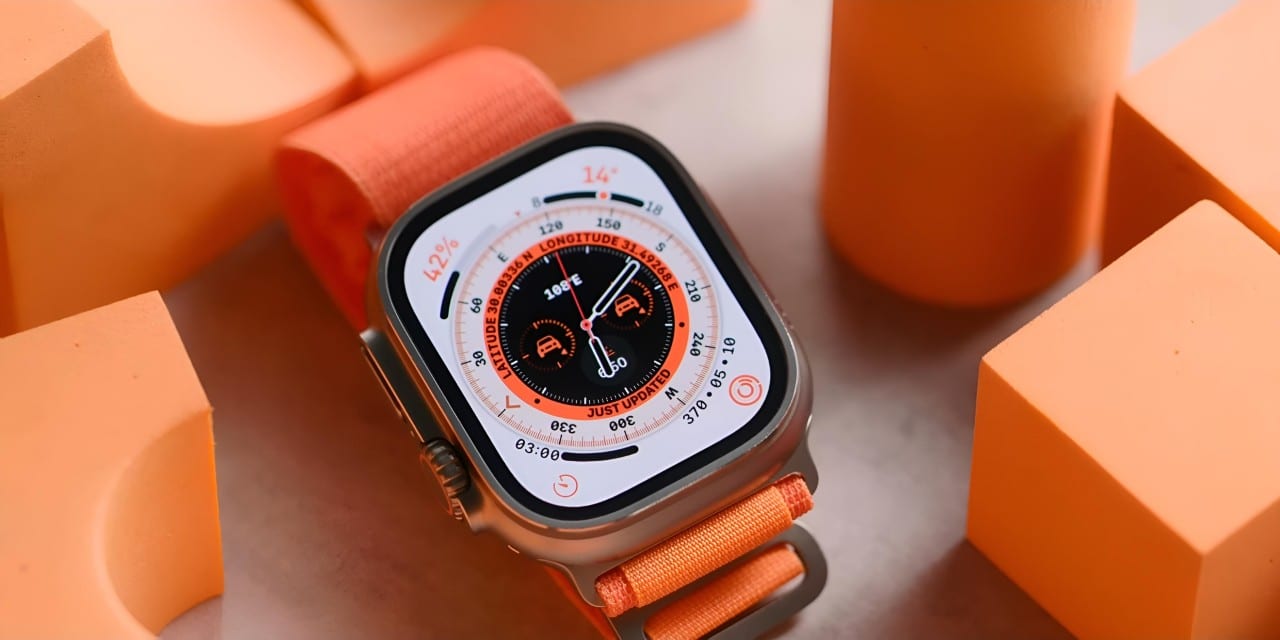
The smartwatch market offers a growing number of options for iPhone users looking for more affordable alternatives to the Apple Watch. Marcas, consolidated as Huawei, Essa trend reflects a demand for functional and cost-effective wearable technology.
The main advantage of these models lies in the ability to synchronize notifications, track physical activities and measure vital indicators without requiring the high investment associated with Apple products. The connection with the iPhone is stable through dedicated applications, available free of charge from App Store, which centralize health data and allow customization of the watch’s functions.

With prices that vary significantly, from simpler smart bracelets to watches with advanced features such as integrated GPS and calls via Bluetooth, consumers find a range of possibilities to meet different needs and budgets. The selection of these devices prioritizes the balance between performance, design and features, making them direct competitors in the wearables segment.
Entry-level models that combine economy and functionality
For those looking for a gateway into the world of smartwatches, the Huawei Band 10 presents itself as an economical and efficient solution. With a lightweight design weighing just 15 grams and an aluminum alloy case, the device is comfortable for continuous use. Sua 1.47-inch AMOLED screen offers vibrant colors and good touch response, making it easy to navigate menus and view notifications. The big highlight is the autonomy, which can reach 14 days in economy mode, and the fast charging, which fills the battery in just 45 minutes. Sleep monitoring is another strong point, with technology that accurately identifies the different phases of rest.
Following a similar proposal, the Xiaomi Smart Band 10 stands out for its 1.72-inch AMOLED screen, which reaches a brightness of 1,500 nits, guaranteeing excellent visibility even in intense sunlight. Focada on active users, the band includes dedicated modes for running with pace guidance and has 5 ATM water resistance, making it suitable for swimming. Além continuous heart rate monitoring, the model also measures blood oxygenation (SpO2) and stress levels. The 233 mAh battery promises a battery life of up to 21 days with typical use, consolidating the device as one of the most complete options in its price range.
Intermediate options with integrated GPS and more autonomy
Moving into the mid-range segment, the Amazfit Bip 6 raises the bar by incorporating a GPS system that supports offline maps, allowing users to track their running or walking routes without needing to carry their smartphone. Sua 1.97-inch AMOLED screen reaches an impressive 2,000 nits of brightness and has a layer of protection against fingerprints. The 340 mAh battery ensures up to 14 days of normal use, even with tracking of more than 140 sports. Positioning accuracy is a differentiator for athletes looking for reliable data from their training. In parallel, the Redmi Watch 5 stands out for its large 2.07-inch screen with a refresh rate of 60 Hz, which provides a more fluid usage experience. GPS uses multiple satellite systems for fast and accurate location. The 550 mAh battery extends autonomy to up to 24 days in a moderate usage scenario. One of its biggest attractions is the ability to make and receive calls via Bluetooth directly on your wrist, thanks to a dual microphone with noise cancellation technology that improves the clarity of conversations.
Advanced performance for health and fitness
The Huawei Watch Fit 4 was designed with a focus on physical activities, offering high-precision independent GPS for route tracking, including water sports.
The 1.82-inch AMOLED screen, with 2,000 nits of brightness, makes it easy to view data during exercises. Health monitoring is complete, covering sleep, heart rate and blood oxygenation.
Fast charging technology allows you to get a full day of use from just ten minutes of charge, while a full battery lasts up to seven days of typical use. Expert reviews often praise the accuracy of the model’s sports sensors.
At the top of the list in terms of autonomy, the Huawei Watch GT 6 stands out with a battery of up to 867 mAh, which can last up to 21 days in moderate mode. Suas screens range between 1.32 and 1.47 inches and reach a peak brightness of 3,000 nits, the highest among the options. The robust construction is confirmed by the 5 ATM and IP69 certifications, which guarantee resistance not only to water, but also to high pressure jets and high temperatures, making it ideal for demanding environments.
What to Consider for iOS Compatibility
The integration of these smartwatches with the iPhone is a crucial point for users. The connection is established through official applications from each manufacturer, such as Huawei Health or Zepp (for Amazfit devices), which must be downloaded from App Store. Esses applications act as a control center, allowing you to customize displays, configure notifications and synchronize all health and physical activity data.
Once paired, the devices display notifications for calls, text messages and alerts from applications such as WhatsApp and social networks. Funções like iPhone music playback control are also common. Embora some more specific features may have deeper integration with smartphones
Analysis of screens and battery life
AMOLED screen technology has become standard on most of these devices, offering advantages such as more vivid colors, deeper contrasts, and greater energy efficiency compared to LCD panels. Essa feature directly contributes to battery life, especially when using dials with a black background.
Screen brightness, measured in nits, is a determining factor for outdoor usability. Modelos with 1,500 nits or more, such as those presented by the Xiaomi and Huawei, ensure that the information on the display remains readable even in direct sunlight, a common condition during outdoor sports.
Battery autonomy is, without a doubt, one of the biggest attractions. Enquanto more performance-focused models, such as the Huawei Watch Fit 4, offer a week of use, others, such as the Redmi Watch 5 and Xiaomi Smart Band 10, can exceed three weeks on a single charge. Essa Longevity eliminates the need for daily charging, a significant convenience point for many users.
It is important to note that actual battery life varies depending on intensity of use. Activating features such as the always-on screen (Always-On Display), continuous SpO2 monitoring and frequent use of GPS are the main factors that consume more energy and can reduce the autonomy announced by manufacturers.
Cost-benefit as a decisive factor
The main reason why iPhone users explore these alternatives is the excellent cost-benefit ratio. Esses smartwatches deliver a robust set of features, which cater to everyone from the casual user who wants to monitor steps and receive notifications to the amateur athlete who needs detailed metrics about their training. By offering cutting-edge technology at a fraction of the price, they democratize access to quality wearable devices.
The ideal choice for each user profile
The final decision on which smartwatch to purchase depends fundamentally on individual needs and available budget. For those who want basic health monitoring and notification features, smart bracelets like the Huawei Band 10 and Xiaomi Smart Band 10 are more than enough, combining a low price with a long battery life.
Users who practice physical activities outdoors and value smartphone independence will benefit from models with integrated GPS, such as the Amazfit Bip 6 and the Redmi Watch 5. The Redmi Watch 5’s ability to make calls is also an important differentiator for those looking for more connectivity on their wrist. Finally, for sports and technology enthusiasts who demand maximum sensor precision and the greatest autonomy possible, the Huawei Watch GT 6 positions itself as the most advanced and robust choice, justifying its superior investment with professional-level features and durability.



