
Apple prepares 120Hz screen for the entire iPhone 17 line and redefines its strategy with an affordable model

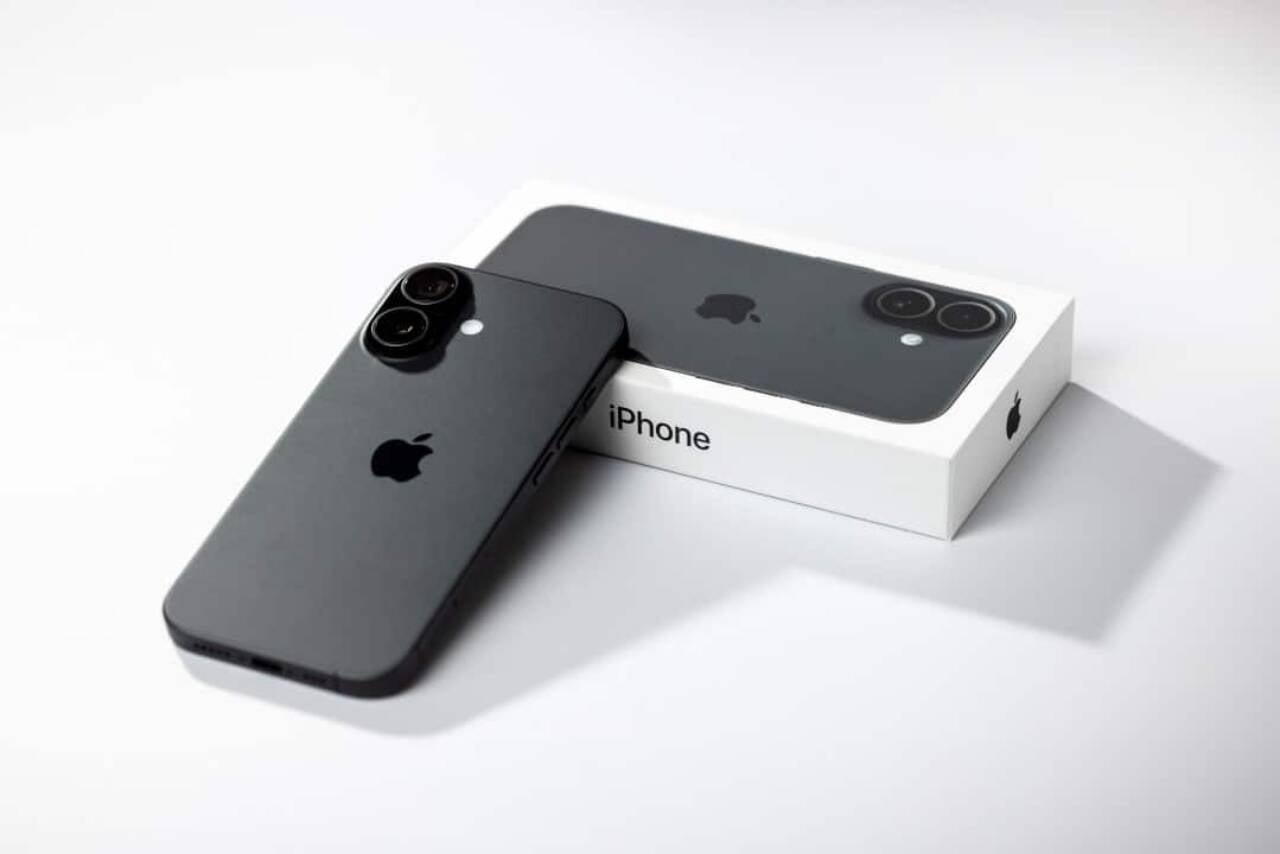
Apple is planning one of the most significant updates to its smartphone lineup in recent years, with the intention of equipping all models in the future iPhone 17 series with 120Hz ProMotion screens. The change represents a democratization of a feature that was previously exclusive to the Pro versions, raising the standard of quality and fluidity for all of the brand’s consumers. Essa change is part of a broader strategic restructuring that seeks to redefine the company’s product categories.
In parallel with the improvement in the main models, the company is developing a new entry-level device, speculated to be the iPhone 16e, which would maintain a 60Hz screen. The objective is to create a clearer segmentation in the portfolio, offering a more accessible option for consumers who wish to join the Apple ecosystem without the need to invest in the most advanced resources, consolidating a new gateway to its products.

This new market approach indicates that Apple intends to strengthen the appeal of its standard devices, making them more competitive, while attacking a lower price range with a device focused on value for money. The strategy aims not only to increase the user base, but also to justify future price differentiations between lines, ensuring that each model has a well-defined value proposition for its target audience.
The new era of ProMotion displays
ProMotion technology, which allows a variable refresh rate of up to 120Hz, completely transforms the experience of using a smartphone. Telas with this capability offers noticeably smoother navigation, fluid animations in games and a more immediate touch response. Atualmente, standard iPhone models operate with a 60Hz display, and standardizing ProMotion across the entire iPhone 17 lineup would put the Apple on par with competitors in the Android ecosystem, which already offer this technology in lower price segments. Além of fluidity, the adaptive nature of the ProMotion screen allows the refresh rate to decrease to as low as 1Hz when the content displayed is static, such as reading text or viewing a photo. Essa capacity results in significant energy savings, contributing to greater battery life, one of the points most valued by users. The decision to bring this feature to all models reflects a maturation of the technology and an optimization of production costs, allowing a premium benefit to become the brand’s new quality standard.

The positioning of the iPhone 16e in the market
The emergence of a possible iPhone 16e signals an attempt by Apple to reconfigure its entry-level offering. Este model would be designed to spiritually succeed the SE line or replace the “Plus” model, which has historically underperformed sales. The expected specifications for this device include a familiar design, a powerful processor from a previous generation to guarantee the longevity of the software, and a competent camera system, but without the advanced sensors and lenses of the more expensive versions. The main distinction would be the screen, which would remain with OLED technology, but limited to 60Hz, creating a clear performance step in relation to the main models.
With a more competitive price, the iPhone 16e would have the mission of attracting new users to the Apple ecosystem, especially in emerging markets and among younger audiences. Ele would compete directly with the premium intermediary smartphones of the Android system, offering software integration, security and resale value associated with the brand as differentiators. Essa strategy would allow Apple to expand its market share in price-sensitive segments without cannibalizing sales of its most profitable devices, which would continue to attract consumers looking for innovation and cutting-edge technology.
Impact on processors and performance
The adoption of 120Hz displays on all iPhone 17 models will require a significant jump in graphics processing power. Para guarantee a fluid and bottleneck-free experience, Apple should equip these devices with a new generation of chips, probably from the A19 Bionic series.
These new processors will not only be optimized for the high refresh rate, but also for the growing demands of artificial intelligence. Recursos like Apple Intelligence, which perform complex tasks directly on the device, rely on an increasingly robust Neural Engine.
In this way, advances in the display are directly linked to the evolution of the smartphone’s brain. The chip will need to efficiently manage power consumption, real-time image processing and AI functionalities, cementing performance as a central pillar of the user experience.
Expected improvements for cameras
The camera system will also receive special attention in the next generation of iPhones. One of the most consistent rumors points to an update to the front camera, which could jump to 24 megapixels across the entire iPhone 17 line, offering selfies with greater detail and better performance in low light.
For the rear assembly, the standard models are expected to inherit technologies currently restricted to the Pro models, such as a 48-megapixel main sensor with improved pixel binning capabilities, which combines multiple pixels into one to capture more light.
This improvement would allow for sharper photos with less noise, especially in challenging environments. The ultrawide lens should also receive a sensor with higher resolution, improving the quality of images with an expanded field of view.
Meanwhile, the Pro models will continue to differentiate themselves with more advanced optical zoom systems and professional video capabilities, maintaining their position as the ideal choice for content creators and photography enthusiasts.
Storage and design options
Meeting growing user demand, Apple can finally increase the base storage capacity of its smartphones. Especula The standard iPhone 17 is expected to start at 256 GB, double the current entry-level model. Essa change is justified by the increasing size of applications, high-resolution photos and videos recorded in 4K.
In terms of design, radical changes are not expected, but rather refinements. The edges around the screen could become even thinner, and Apple is reportedly developing new anti-reflective coating technology, making the display more scratch-resistant and easier to view in direct sunlight.
Apple’s pricing strategy
Apple’s new product structure offers flexibility in pricing. The introduction of the iPhone 16e at a more affordable price allows the company to maintain an attractive entry point into its portfolio. At the same time, the incorporation of technologies such as the ProMotion screen in standard iPhone 17 models may justify a slight price increase for this category, raising its perception of value and bringing it closer to the Pro line, which reinforces segmentation and maximizes revenue potential in each market range.
Release Schedule
Following its traditional calendar, Apple should present the iPhone 16 line, which may include the new entry-level model “16e”, in the second half of the current year. The launch event typically takes place in September, with sales beginning a few weeks later in select markets.
The iPhone 17 line, which will bring the standardization of 120Hz ProMotion screens and other hardware improvements, is scheduled to be launched the following year. Essa annual cadence allows the company to maintain a constant flow of innovations and consistently capture consumer interest.



