
Apple smartphones: iPhones 14, 15 and 16 remain smart and affordable purchasing options


The decision to purchase a new smartphone involves a detailed analysis of performance, features and, most importantly, cost-benefit. In the current scenario, models from previous generations of the Apple, such as the iPhone 14, iPhone 15 and iPhone 16, continue to stand out as viable and powerful alternatives to the most recent launches. Esses devices combine robust hardware, high-quality cameras and, crucially, an extended life cycle thanks to the company’s software update policy.
The attractiveness of these devices is reinforced by a natural drop in their prices, making Apple’s premium technology more accessible to a wider audience. Consumidores who do not need the cutting-edge innovations of the latest model find in these versions an ideal balance between performance for daily tasks and a more moderate investment. Availability on various retail platforms in the national market also facilitates access to these products.
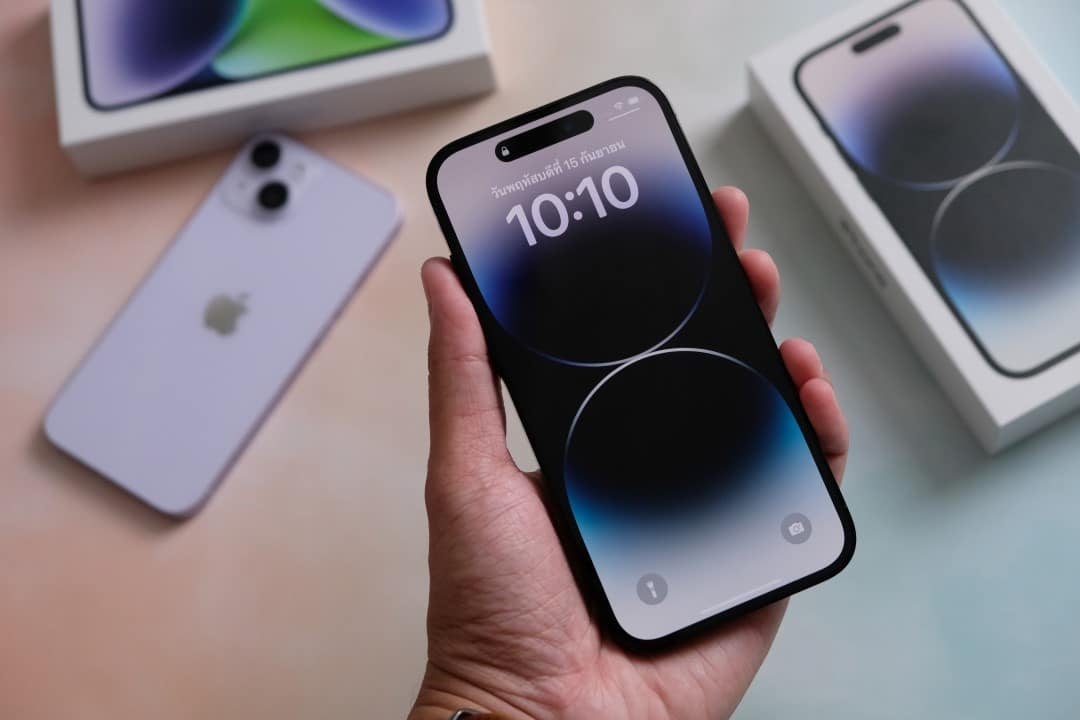
The Apple’s integrated ecosystem remains one of its biggest differentiators, ensuring that even devices launched a few years ago work in perfect harmony with the brand’s other products, such as MacBooks and Apple Watches. Essa synergy, combined with durability and continuous support, solidifies the position of these iPhones as a smart choice for those looking for quality and longevity in a smartphone.
Performance and longevity of Apple processors
One of the pillars that support the relevance of the iPhones 14, 15 and 16 is the capacity of their processors. Apple designs its own chips, such as the A15 Bionic, A16 Bionic and A18, optimizing them to work in perfect sync with the iOS operating system. Essa vertical integration results in energy efficiency and processing power that remains competitive for several years. Mesmo With the release of new chips, previous generation processors are more than capable of running demanding applications, graphics-intensive games, and intense multitasking without slowing down or overheating. Essa lasting performance ensures that the investment in one of these models translates into a fluid and satisfactory user experience for a long period, avoiding the need for frequent device changes and consolidating the value of the device in the long term.
Analysis of cameras and photographic resources
The iPhone 14 sets a quality standard with its 12 MP dual camera system, which delivers consistent and reliable results in various lighting conditions, making it an excellent gateway to Apple computational photography.
The iPhone 15 represents a significant leap by introducing a 48 MP main sensor, allowing the capture of images with a much higher level of detail and offering more flexibility for editing and cropping without loss of quality.
The iPhone 16 line improves on this base, maintaining the 48 MP sensor, but adding innovations such as the customizable Botão of Ação and a new Botão of Controle of
For the most demanding users, the Pro versions of these models offer a triple camera array, including a telephoto lens with advanced optical zoom and the ability to record 4K video at 120 frames per second, meeting professional standards.
Design and connectivity innovations
The design of iPhones has evolved markedly over these generations. The iPhone 15 was a pioneer in bringing the Dynamic Island to the base models, a fluid interface that integrates alerts and activities with the screen hardware, previously exclusive to the Pro models.
One of the most important changes was the transition from the Lightning connector to USB-C, which began on the iPhone 15. The Essa change standardizes charging and data transfer, allowing users to use the same cable for multiple devices and, on the Pro models, achieve significantly higher transfer speeds.
The materials also reflect the segmentation of the devices, with aerospace aluminum ensuring durability in standard models, while titanium, present in the Pro versions of the iPhone 16, offers a combination of superior resistance and reduced weight, improving ergonomics.
Battery autonomy in different models
Energy management is a strong point across the entire line, with hardware and software optimizations that guarantee excellent autonomy. The iPhone 14, for example, already offers up to 20 hours of video playback, which is enough for a full day of moderate use. At the top end, the iPhone 16
Price comparison on the national market
Price analysis reveals a clear segmentation that favors the consumer. The iPhone 14 is positioned as the most economical entry-level option among the models analyzed, with prices often hovering around R$4,600 for the 128 GB version. The iPhone 15, in turn, can be found in promotional offers for values close to R$3,900, representing excellent value for money as it incorporates technologies such as the 48 MP camera and the USB-C port. Curiosamente, the iPhone 16, despite being more recent, maintains a similar price level to the iPhone 14, offering a newer processor at a competitive price.
The Pro variants naturally occupy a higher price range, justified by their advanced features. An iPhone 16 Pro with 1 TB of storage, for example, can exceed R$14,000 on official channels. Essa difference in value reflects the inclusion of premium materials such as titanium, more complex camera systems with long-range optical zoom, and 120 Hz ProMotion technology displays. Essa price scale allows different consumer profiles to find a model that fits both their technological needs and their available budget.
Software support as a competitive differentiator
Apple’s software update policy is, without a doubt, one of the biggest attractions for purchasing an iPhone, even from previous generations. The company guarantees, on average, five to seven years of new versions of iOS for its devices.
This means that an iPhone 14, 15 or 16 will continue to receive not only the latest security fixes, but also new features and functionality for a long time, keeping the device modern and protected against digital threats.
Decisive factors for consumer choice
Storage capacity is a crucial factor in the purchasing decision. Enquanto 128GB versions are suitable for standard use, professionals working with high-resolution photos and videos may need the 256GB, 512GB or even 1TB options available on the Pro models.
Furthermore, Apple’s strong ecosystem plays a key role. The transparent integration between iPhone, Mac, iPad and Apple Watch creates a cohesive user experience that encourages permanence on the platform, making the acquisition of an iPhone, even an older one, a gateway to this connected universe.




