
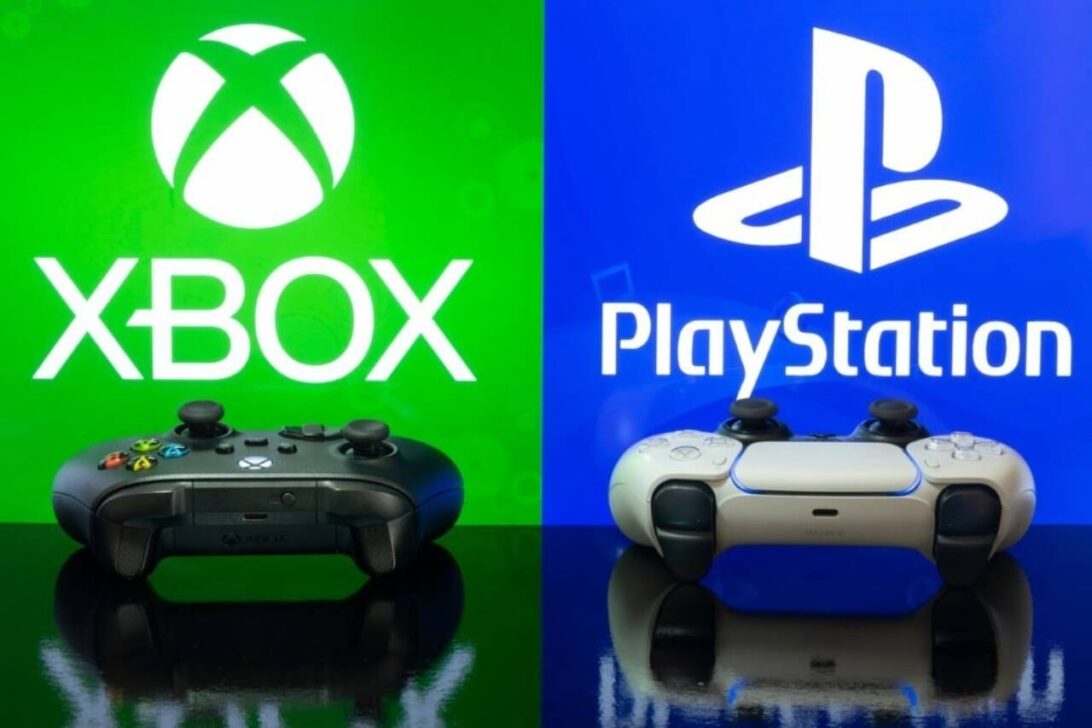
A new logistical and financial challenge threatens plans for the next generation of consoles. Sony and Microsoft are internally reassessing the launch windows for the PlayStation 6 and the successor to the Xbox Series, respectively, in the face of a growing supply crunch for GDDR7 memory, an essential component for advanced graphics performance. The dispute over these chips with the artificial intelligence sector has raised prices to levels that could make new video games financially unviable on the original schedule.
The current situation places technology giants at a crossroads. Manter launch plans, scheduled between 2027 and 2028, would mean absorbing a cost increase of up to 50% in memory components or passing this value on to the end consumer, risking a negative market reception. The alternative, a postponement beyond 2028, is gaining momentum as a measure to wait for the supply chain to normalize.

The epicenter of the problem is the explosion in demand for AI hardware, which uses the same high-speed memories. Fabricantes like Samsung, Micron and SK
Artificial intelligence as a catalyst for scarcity
The rapid advancement of artificial intelligence technologies has become the main driver of the shortage of GDDR7 memories. Grandes technology corporations are investing massively in building infrastructure to train and operate their models, which requires an unprecedented volume of high-bandwidth memory chips. Essa Massive demand has created a significant imbalance between supply and demand in the global semiconductor market.
This direct competition for productive resources directly affects the console industry, which depends on these components to deliver generational leaps in graphics quality and processing speed. With stable supply and predictable pricing, long-term planning for hardware like the PS6 and the upcoming Xbox is compromised, forcing a complete overhaul of production and release strategies.
The strategic dilemma of Sony and Microsoft
Faced with the adverse scenario, the leaders of Sony and Microsoft face a complex dilemma with multiple variables. The first option would be to maintain the schedule, but this would imply launching consoles with a considerably higher final price, which could limit initial adoption and create a barrier for a large portion of consumers, repeating difficulties seen in previous launches marked by high costs.
The second route, which seems to be gaining more traction, is strategic postponement. Postergar the launch for 2029 or even 2030 would give memory manufacturers time to expand their production capacity and supply to stabilize, resulting in a normalization of prices. Essa approach, however, would extend the useful life of the current generation and delay the introduction of technological innovations to the market.
A third, less likely possibility would be to redesign hardware designs to utilize alternative memory technologies. Contudo, this change could compromise the original vision of performance for the new consoles, representing a technical step backwards that companies would probably like to avoid so as not to disappoint gamers’ expectations.
Reflections on the current generation of consoles
The instability in the supply of components for the next generation is already starting to have secondary effects on the current market. The most direct consequence of a possible postponement of the PS6 and the new Xbox is the extension of the life cycle of the PlayStation 5 and the Xbox Series X/S. Isso means gamers can expect longer support for these platforms, with more exclusive and optimized games coming out in the coming years.
This extension could be positive for consumers who have not yet migrated to the current generation, as console prices tend to become more affordable over time. On the other hand, the same shortage of components that affects future projects could also put pressure on the production costs of current models, limiting promotions or even resulting in price adjustments in some markets, depending on the severity of the crisis.
Furthermore, the relevance of mid-generation upgrades, such as the already released PS5 Pro, increases considerably. Esses models serve as a bridge, offering a performance and graphics upgrade for the most demanding gamers, while the true next generation remains on hold. The strategy of launching “Pro” versions could become an even more important tool to keep the market’s interest high.
Industry analysts also point to a possible impact on the availability of special editions and bundles, which could become rarer or more expensive. Manufacturers will need to manage their component stocks even more rigorously, prioritizing the production of standard models to meet base demand and ensure continuity of supply in global retail.
Impacts on launch plans
Originally, the industry was working with the expectation that the PlayStation 6 would launch in late 2027, while Microsoft prepared its new platform for a 2028 launch. Esses timelines, based on seven- to eight-year development and production cycles, are now under intense review. Internal discussions at both companies assess the risk of committing to a date that may not be met due to external factors beyond their control.
The wait for a reduction in GDDR7 memory prices is the main factor motivating the consideration of the delay. Lançar a product with an inflated manufacturing cost could not only harm sales but also negatively affect brand perception. Companies seek a delicate balance between innovation and accessibility, and the current market situation tilts heavily against the latter.
Response from memory manufacturers and the future vision
In response to explosive demand, leading semiconductor producers, including Micron, Samsung and SK Hynix, have already announced ambitious plans to expand their production capabilities. Esses plans involve the construction of new factories (fabs) and the modernization of existing lines, a process that is extremely capital-intensive and time-consuming. Building a new semiconductor factory could take two to three years and cost billions of dollars, meaning a solution to the current shortage won’t be immediate. Especialistas from the sector estimate that the supply of high-performance memories will only begin to balance with demand consistently from the end of 2027, which reinforces the thesis that a console launch before 2028 would be a high-risk bet. Enquanto That said, the engineering teams at Sony and Microsoft continue to work on prototypes of the PS6 and the new Xbox, likely testing multiple hardware configurations to maintain flexibility. The final decision on memory specifications will directly depend on market developments over the next 18 to 24 months. Resolving this supply crisis will be the determining factor in whether companies will be able to maintain their original technical ambitions or whether they will have to make concessions to make the next generation of video games viable.
Alternatives considered by companies
To mitigate risks associated with market volatility, both Sony and Microsoft are actively exploring direct negotiation strategies with suppliers. The objective is to guarantee long-term contracts that ensure a priority allocation of components, even at a slightly higher cost, bringing more predictability to the assembly line. Constant monitoring of price fluctuations and the attempt to diversify the supplier base are also part of the contingency plan.