
Driver’s license tests in the United Kingdom have seen almost 3,000 frauds and authorities arrest dozens

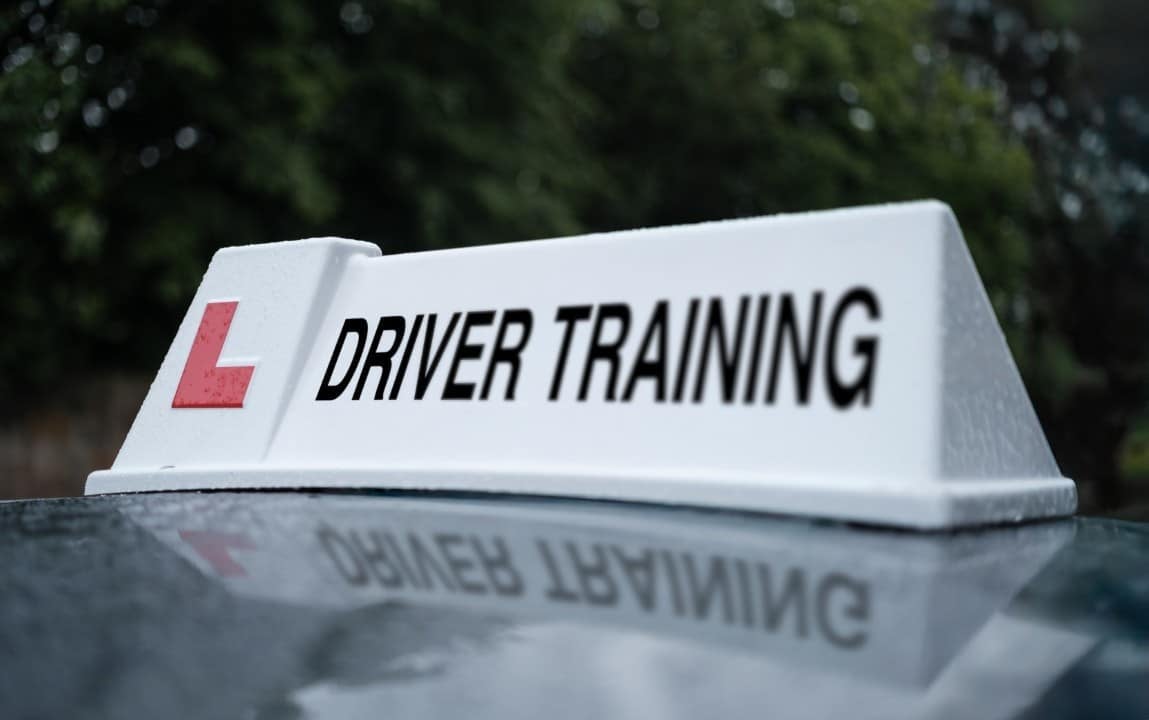
A significant increase in attempts to cheat driving tests in Grã-Britain has raised alarm about road safety. Dados officials reveal that the number of frauds identified jumped 47% in one year, totaling 2,844 incidents recorded by September 2025. The volume of cases, which covers both theoretical and practical tests, raises serious concerns about the qualification of new drivers and the integrity of the licensing process.
Driver and Vehicle Standards Agency (DVSA), the body responsible for applying and monitoring the tests, attributes the growth in numbers to greater efficiency in detecting irregularities and the increase in fraud attempts themselves. Especialistas from the traffic sector warn that drivers who obtain a license illegally represent a real and immediate danger to all road users, as they do not have the necessary skills to drive a vehicle safely.

The scenario is worsened by a long waiting list for practical exams, which currently reaches an average of 22 weeks in several regions of the country. Essa delay puts additional pressure on candidates, who are sometimes led to seek illegal shortcuts to obtain their license more quickly, fueling an underground market of fraud.
Most frequent types of fraud
The practice of impersonating someone else, known as impersonation, is one of the most common forms of fraud detected by the DVSA. Nos theoretical exams, 1,084 cases were recorded in which an individual tried to take the test in place of the real candidate.
In practical driving assessments, the situation is repeated, with 647 instances of more experienced drivers trying to impersonate students. Esses “professionals” even charge high amounts to illicitly guarantee approval.
The use of technology also stands out as a recurring method. Foram identified more than 1,113 cases in the theory test in which candidates used hidden electronic devices, such as headphones connected via Bluetooth, to receive answers from an external source during the test.
Detection measures implemented
To combat the problem, the DVSA has implemented a strict safety protocol at all exam centers. Antes Before starting the test, each candidate undergoes an identity check, in which their face is compared with the photo on the document presented. Essa measure aims to mainly curb cases of impersonation, ensuring that the person taking the test is in fact the registered candidate.
In addition to the facial check, candidates are instructed to completely empty their pockets and roll up the sleeves of their clothing for a visual inspection. The procedure is complemented by the use of portable metal detectors, which help identify any hidden electronic devices that could be used to cheat the exam. Essas actions are applied in a standardized way at the centers of Inglaterra, Escócia and País of Gales.
The agency also uses an intelligence system to monitor individuals and vehicles that have been involved in suspicious activity. Essa proactive approach allows inspection teams to act in a more targeted manner, increasing effectiveness in identifying new fraud attempts. Collaboration with local police forces is critical to the success of these operations.
Lawsuits and severe punishments
The growing wave of fraud has resulted in stronger legal action. Durante During the period analyzed, 96 people were criminally prosecuted for involvement in fraud schemes or for impersonating other candidates. The sentences imposed by the courts vary according to the severity and recurrence of the crimes, serving as a warning to those considering using illegal methods.
Recent convictions include prison sentences, unpaid community work orders and a ban on driving for certain periods. One of the most notorious cases involved a 23-year-old man, sentenced to eight months in prison after it was proven that he took 12 theory exams in someone else’s place. In another situation, a defendant received a 12-week suspended sentence for attempting to perform a practical exam for a third party.
The most severe punishment was meted out to an individual who, over eight months, repeatedly cheated on the theory test using a hidden headset. Ele was sentenced to two years in prison. Além of custodial sentences, defendants are also often obliged to bear the legal costs of the process.
The context of high waiting time
The backlog of candidates waiting for a practical exam is a problem that has persisted since the end of pandemic restrictions. In February 2020, before the health crisis, the average waiting time was approximately five weeks. Atualmente, apprentices can face up to 22 weeks in line, generating frustration and anxiety.
Although the DVSA does not establish a direct, official link between long waiting times and the increase in fraud, the agency recognizes that the delay creates a pressured environment. Para To try to mitigate the problem, measures were implemented such as extending exam times and hiring new examiners, but demand still exceeds the capacity for immediate service.
Statements from authorities and experts
The DVSA’s director of enforcement stressed the importance of ensuring all drivers on the roads have demonstrated the skills needed to drive safely. Ela stated that the agency conducts rigorous investigations into any suspected fraud and that partnership with the police is essential to bring the most serious cases to justice.
Representatives of traffic safety foundations also spoke out, highlighting that, although the prolonged wait is a stress factor, it does not justify violating the law. Eles warn that professional fraudsters, by profiting from replacing candidates, put everyone’s lives at risk by allowing unprepared people to obtain a driving license.
Historical evolution of records
The data shows a worrying increase in recent years. In the period 2018/2019, before the pandemic, 1,274 cases of fraud were recorded, a number considerably lower than current levels. The steady progression since then indicates a change in both the behavior of applicants and the detection capabilities of authorities, who continue to improve their strategies to combat the problem and ensure the integrity of the licensing process.



