
Electric Captiva surprises by arriving costing less than rival BYD Yuan Plus in the automotive market

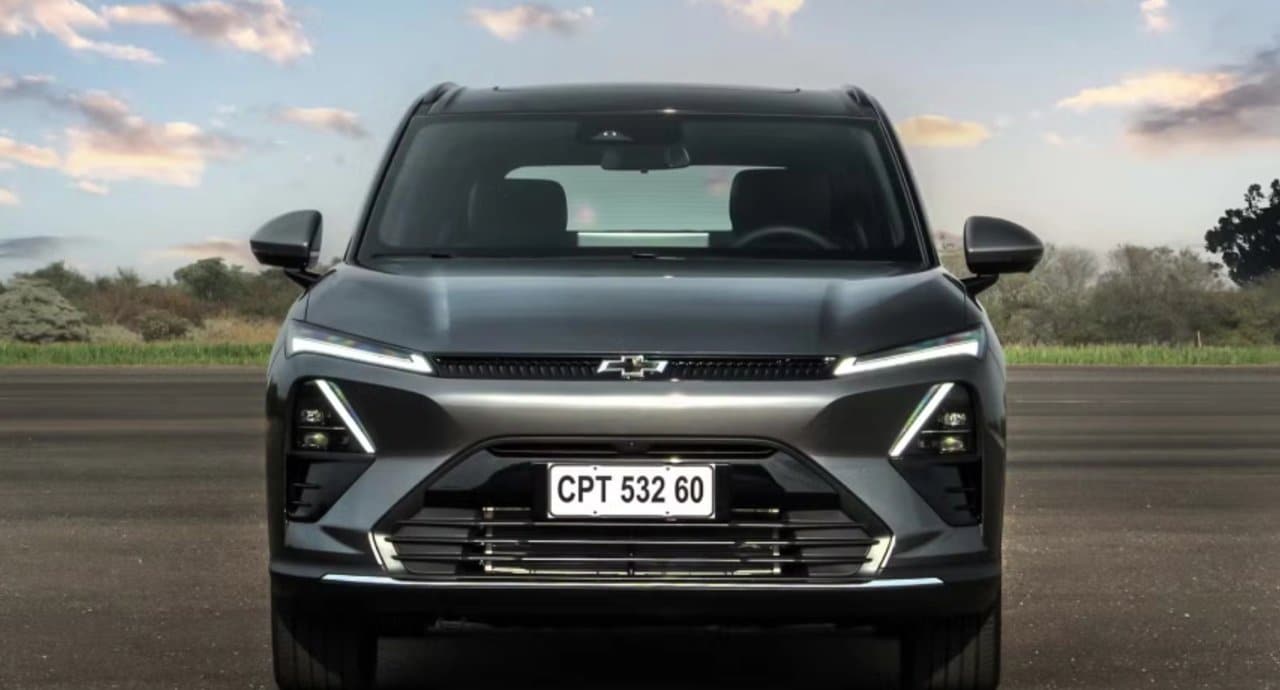
The Chevrolet Captiva, an icon of SUVs in the 2010s, re-emerges in the automotive market with a radically different proposal, embracing complete electrification and a design that reflects Chinese influence in the segment. The model, which had been discontinued eight years ago, returns to be 100% electric, with a focus on technology, internal space and a reduced operating cost, positioning itself as an attractive alternative in the current scenario of zero-emission vehicles and directly challenging established competitors.
This launch represents General Motors’s second foray into the advancement of Chinese electric vehicles in the Brazilian market, following in the footsteps of the Spark EUV. The new Captiva arrives to present an option to potential buyers of the BYD Yuan Plus, one of the Chinese brand’s best-selling electric vehicles in 2025, with more than 6 thousand units sold.
The main advantage of the newly launched Captiva lies in its price competitiveness. Enquanto the BYD Yuan Plus has a value of R$235,990, the Chevrolet Captiva is offered for R$199,990, representing a difference of approximately R$35 thousand.
Unexpected return and GM’s strategy

The return of the Captiva is a strategic move by General Motors to consolidate its presence in the electric vehicle segment, especially those with technological appeal and accessibility. The success of the previous version, powered by combustion, paves the way for the name to bring familiarity to the new model, although the essence is completely renewed.
This electric SUV, despite GM’s signature, is a project that was born in China as Wuling Starlight S. Sua arrival on the market is a clear response from the American automaker to the growing demand for electric vehicles and the strong entry of Chinese manufacturers, which have stood out for their innovation and competitive prices.
Eastern design with a western touch
The look of the new Captiva incorporates elements typical of models of Chinese origin, following modern and functional design trends. The daytime running light (DRL) is very pronounced, the headlights are positioned lower and the taillights are narrow, features that give the vehicle a contemporary look.
Even though the inspiration is predominantly oriental, the Captiva maintains an identity that connects it to the Chevrolet line, especially at the front. The brand’s logo is integrated into a plastic piece that resembles a combustion car grille, and the functional air intake below the logo reinforces the feeling of a more robust package, bringing it closer to the look of Western vehicles. The LED lighting design also adds personality without directly referring to other Asian brands.
Inside, the environment is undergoing deeper transformations, highlighting Chevrolet’s target audience for this model. The interior is clearly more technological, with strong inspiration from Chinese minimalism.
Cutting-edge internal technology and increased comfort
In the cabin, the similarities with Chinese rivals, such as the BYD Yuan Plus, are notable, especially in the minimalism that reduces the number of physical buttons. Most of the controls, including those for air conditioning, are concentrated in the multimedia center, which stands out for its impressive 15.6 inches, a size larger than that of many notebooks and even luxury car displays.
The image quality of the 360-degree cameras, even in low light conditions, is impressive. During the tests, the sensation was of a drone flying over the vehicle, with clarity comparable to that of high-end smartphones. Além of visual quality, the screen offers a touch response time without signs of slowdown, although there are even more refined experiences on the market.
Despite the technology-focused aesthetic, the comfort is undeniable. The interior has very few areas made of hard plastic, with soft-touch surfaces in different tones and textures predominating, and details on the dashboard that simulate metal and wood. Essa attention to finishing gives the Captiva a level of comfort that surpasses even the combustion engine Equinox, which has a considerably higher price.
Even the electric version of the Equinox, which costs R$150,000 more and is based on a North American project, does not reach the same standard of care in finishing and technology. The Captiva’s suspension was adjusted to Brazilian tastes, with a firmer setting that is reminiscent of the brand’s other SUVs, such as the Tracker and Equinox. The extremely light steering ensures comfortable and precise maneuvers at any speed, maintaining the driver’s feeling of control.
Generous dimensions and optimized space
In addition to the innovative design and technological comfort, the SUV presented significant growth in its dimensions. Compared to the last version sold in the country, the new Captiva is 26.9 centimeters longer and has an increase of 10 centimeters in the wheelbase, which translates into more internal space and load capacity.
The trunk has expanded from 383 to 403 liters, and the interior offers enough space to accommodate five passengers in complete comfort, eliminating the worry of tight knees. Seu total length exceeds that of an Volkswagen Tiguan and is close to larger models such as the Jeep Commander (4.77 meters) and the
The decision to keep the Captiva with five occupants, even with the dimensions of a seven-seater SUV, prioritizes individual space and passenger comfort. The excellent internal use, facilitated by the more compact electrical package, allows the Captiva EV, despite being just three centimeters shorter than the Jeep Commander, to avoid the feeling of an excessively large vehicle.
Performance and autonomy for urban routine
The performance of the new Captiva EV is compatible with its positioning as a family vehicle focused on comfort and everyday practicality. With a top speed of 150 km/h and acceleration from 0 to 100 km/h in 9.9 seconds, the SUV does not seek sporty appeal, but delivers a smooth and efficient drive, surpassing the comfort levels of the old Captiva.
This performance was possible thanks to the project’s Chinese base, which allowed for a more affordable cost without compromising quality, avoiding the price levels of luxury brands such as BMW or Mercedes-Benz. The range of 304 km on a single charge is well suited to urban use and short trips.
Fabio Rua, vice-president of General Motors Brasil, explained that the choice for this autonomy aims to keep the cost of the vehicle affordable. Although there are technologies, such as Ultium’s own Chevrolet architecture, that could offer greater range, the main focus of Captiva is to provide a more economical option.
The consumer profile of the new Captiva EV
The Chevrolet Captiva EV targets a different audience than the previous model, driven by the switch to electric powertrains and the diversity of the current SUV market. The perception that it is a spacious utility vehicle remains, but now with dimensions close to those of a seven-seater SUV.
For those who already have children and travel frequently, Captiva presents itself as an alternative with few direct competitors. If the consumer values technology and contemporary design, the model can rival Chinese options, adding the prestige of a brand with more than a century of experience in the Brasil.
The vehicle is less suitable for those who do not have charging facilities at home or live outside large urban centers. The Associação Brasileira of the Veículo Elétrico (ABVE) indicates that, despite the 16,880 charging points in the country, the majority are concentrated in the capitals:
Campinas is the only city outside the capitals that accounts for just 1% of the country’s charging stations, while São Paulo has 12.5%.
Advantages and attention to price in the current scenario
Given the current situation and considering the availability of charging stations, the Captiva EV is a highly recommended option. Ela offers excellent value for money compared to its main rival, the BYD Yuan Plus.
It is important, however, that potential buyers remain alert to price fluctuations in the market. The Chevrolet Spark, which was launched in a similar price situation to the BYD Dolphin, has already undergone adjustments and currently costs R$19,990 more than its direct competitor.



