
F1 calendar is revealed with 24 races, six sprints and the big news of the Madrid GP

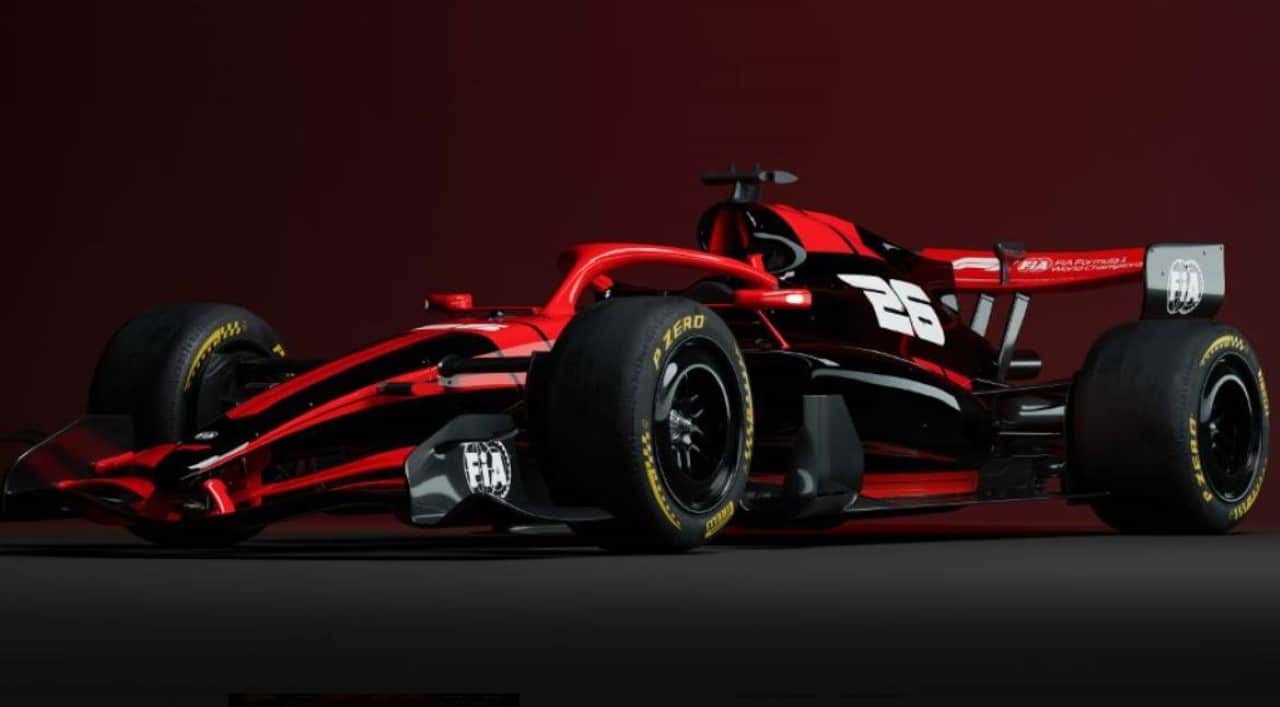
Federação Internacional of Automobilismo (FIA) and Fórmula 1 have released the complete structure for the 2026 world championship, confirming a record season with 24 Grandes Prêmios. The schedule establishes a global journey that will extend from March to December, testing the teams’ resistance and logistics in a year marked by profound technical changes.
Among the main highlights is the maintenance of six stages in the sprint race format, which add a different dynamic to the competition weekends. Além Furthermore, the big news is the debut of the Grande Prêmio and Espanha on a new circuit in
The season will traditionally open at Austrália and will close under the lights of Abu Dhabi. Para Brazilian fans, the organization took care to publish the session and race times already converted to the Brasília time zone, making it easier to follow all the emotions throughout the year.
Debuts in Madri and musical chairs in Europa
The main change to the European roadmap for Fórmula 1 is the introduction of Grande Prêmio from Espanha in Madri, scheduled to take place between September 11th and 13th. The event marks the departure of the traditional Circuito from Barcelona-Catalunya, which hosted the race for decades. The new layout, a hybrid circuit that combines street sections with permanent sections, was designed to promote more overtaking opportunities and offer a visually impressive spectacle in the Spanish capital. The main race is scheduled for 10am at Brasília time, following the pattern of European summer races. The change represents an effort by the category to explore new markets and modernize its headquarters, while preserving the strong motorsport heritage on the continent. Iconic Circuitos such as Mônaco, Silverstone,
Opening at Oceania and Asian marathon
The 2026 championship will kick off at Circuito of Albert Park, at Melbourne, with the Grande Prêmio of The opening race, scheduled for 1am on Sunday at Brasília time, represents a challenge for the Brazilian public, but maintains the tradition of starting the season on one of the most popular routes among drivers and teams. The free practice sessions, taking place during the night of Thursday and Friday at Brasil, will allow the most dedicated fans to follow the first steps of the new cars.
Immediately after Austrália, the F1 circus moves on to an intense Asian sequence. The Grande Prêmio of China, in Xangai, is scheduled for March 13th to 15th and will be the first stage of the year to host a sprint race. The short race will take place at midnight on Saturday, while the main race will start at 4am on Sunday. Fechando this opening block, the Grande Prêmio of
The sprint format gains strength in strategic locations
The sprint race format, which offers additional points and an extra qualification, has been confirmed for six stages strategically distributed throughout the calendar, aiming to increase entertainment and unpredictability.
The first sprint of the season will take place right at the start, at Grande Prêmio from China, at Xangai, bringing competitive action on Saturday.
The second short race will be at Grande Prêmio of Miami, from May 1st to 3rd, in an event that combines sport and entertainment on the urban circuit around Hard Rock Stadium.
Following this, the Grande Prêmio of the Canadá, in the challenging Circuito Gilles Villeneuve, in Montreal, will also feature a sprint format between May 22nd and 24th, adding another element of excitement to one of the most beloved races on the calendar.
Journey through Américas with a stop at Interlagos
The Fórmula 1’s passage through the American continent will continue to be one of the highlights of the season, with races that attract massive and passionate audiences. Grande Prêmio of
At the end of the year, the category returns for the decisive sequence. The Grande Prêmio of the Estados Unidos, in the Circuito of the Américas in
The climax for local fans will be Grande Prêmio’s Brasil at São Paulo from November 6th to 8th. The Autódromo of
Challenges in Oriente Médio and the end of the season
Racing at Oriente Médio continues to play a crucial role in the calendar, offering modern circuits and state-of-the-art infrastructure. The Grande Prêmio of the Bahrein, in Sakhir, and the Arábia Saudita, in the fast street circuit of Essas tracks test different aspects of cars, from efficiency on long straights to performance in night conditions.
The final stretch of the championship returns to the region for the final and decisive stages. The Grande Prêmio of the Catar, on the Lusail circuit, and the Grande Prêmio of the Las Vegas, with its spectacular night race on the famous Strip, precede the grand final. The 24-race season will come to an end in Yas Marina, with the Grande Prêmio of Abu Dhabi, which traditionally crowns the world champion in a race that starts at dusk and ends under artificial lights.
New technical rules transform the show
The 2026 season will not only be notable for its extensive calendar, but mainly for the revolution in its technical regulations. Este will be the first year with the new power units, which will feature a split of 50% energy from the internal combustion engine and 50% electrical energy. Essa change aims to increase the sustainability and relevance of technology for street cars. Além In addition, the cars will be smaller and 30 kg lighter, with a minimum weight reduced to 768 kg, which should make them more agile. Active aerodynamics, with movable wings at the front and rear, will be introduced to reduce drag on the straights and maximize grip in the curves, facilitating overtaking and promising closer races.
Impact for teams and drivers
The combination of a 24-round calendar and the introduction of completely new technical regulations will represent a monumental challenge for teams and drivers. Logisticamente, the season will require impeccable planning to transport equipment and personnel around the globe, while managing physical and mental exhaustion will be crucial to maintaining performance at a high level from start to finish.
Adapting to new cars will be the determining factor for success. Pilotos and engineers will have to quickly learn how to get the most out of a radically different aerodynamic concept and power unit. Este scenario opens the door to a possible reorganization of forces on the grid, with the arrival of new manufacturers such as Audi and the official return of Ford and Honda, promising one of the most unpredictable and exciting seasons in the recent history of Fórmula 1.





