
Global tests of HyperOS 3.1 with Android 16 are released for nine high-end phones from Xiaomi and Poco


Xiaomi has begun a crucial new stage in the development of its operating system with the expansion of the HyperOS 3.1 testing program to the global market. The update, which is based on the latest version of the Google platform, the Android 16, began to be distributed to a selected group of users who own nine of the most advanced smartphone and tablet models from the brand and its subsidiary, Poco.
This strategic move expands the reach of the validation program, which was previously restricted to the Chinese market. The main objective is to subject the software to a wide range of hardware conditions and international mobile networks, aiming to optimize stability and performance to ensure a cohesive and refined user experience for a global audience.
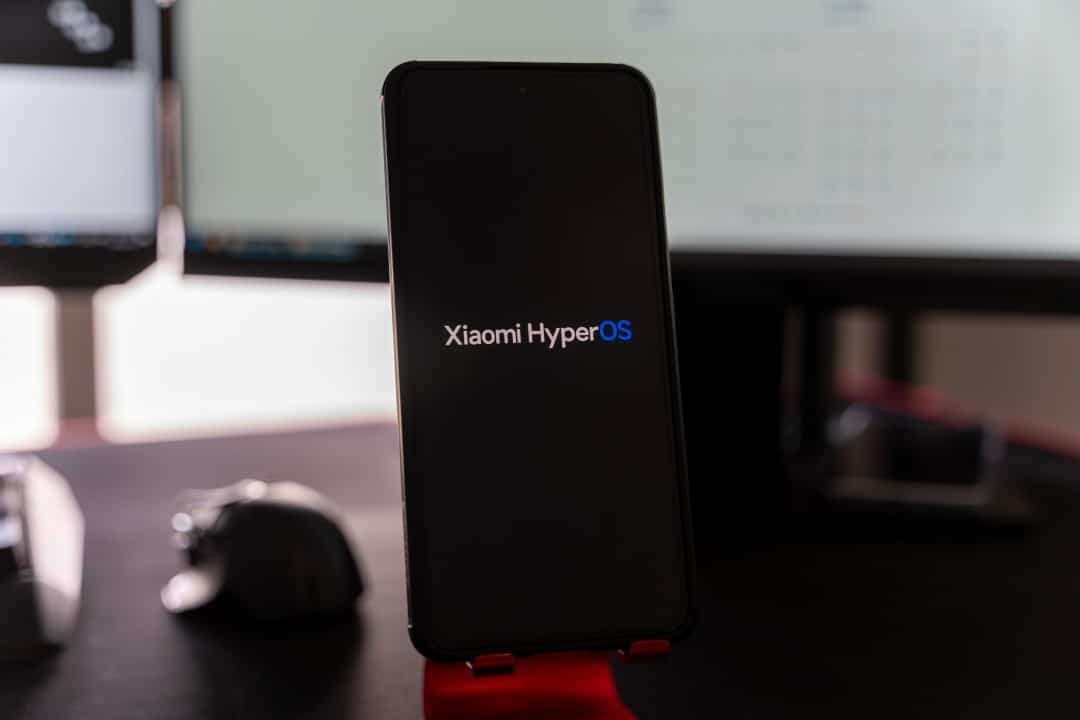
The feedback collected during this beta phase will be essential for improving the final version of the system. The information and crash reports sent by testers will allow the development team to fine-tune the interface and correct any problems before the mass release, which should occur in the coming months for millions of consumers.
Models included in the global testing phase
The list of devices selected for this first wave of international tests is made up of the elite from the Xiaomi portfolio. The devices chosen were the Xiaomi 17, Xiaomi 15, Xiaomi 15 Ultra, Xiaomi 14, Xiaomi 14 The inclusion of the Xiaomi Pad Mini tablet in the selection demonstrates the company’s commitment to unifying the software experience across its product ecosystem.
The choice of these models is strategic, as they are all equipped with high-performance processors and state-of-the-art components. Essa robust configuration allows developers to test the limits of new HyperOS 3.1 features in a controlled but demanding environment, evaluating system behavior under maximum stress and in different usage scenarios.
Deep integration with Android 16
The decision to build HyperOS 3.1 on top of the Android 16 architecture provides an optimized synergy between the Xiaomi hardware and the Google software. Essa approach allows the manufacturer’s interface to natively use new APIs and operating system features, resulting in greater efficiency and access to advanced features. Entre The main benefits inherited from the Android 16 are the significant improvements in power management, which promise to extend battery life through more intelligent algorithms for controlling background processes. Outro Notable advancement is the improved processing of artificial intelligence tasks, which can now be performed more quickly and efficiently directly on the device, without relying on a constant connection to the cloud, which increases privacy and speed of response. Digital security has also been strengthened, with a more granular permissions system and stricter privacy controls, which Xiaomi is integrating directly into HyperOS to offer a safer and more transparent digital environment to its users.
Interface and usability improvements
The new version of the Xiaomi interface promises to deliver a significantly renewed user experience, with several visual and functional improvements designed to increase fluidity and customization.
One of the most obvious changes is in the animation system, which has been completely redesigned to offer smoother transitions and better touch response time.
The lock screen also received special attention, gaining new depth effects that interact dynamically with the wallpaper, creating a more modern and personalized look.
Additionally, the “Super Island” feature, an evolution of interactive notifications, has been expanded to add more functionality and quick shortcuts, allowing users to perform actions without having to open applications completely.
Update distribution strategy
The HyperOS 3.1 distribution plan will follow a phased and gradual model, a standard practice in the industry to ensure server stability and monitor possible failures in smaller batches of devices. The public launch for the nine models in this first wave is expected to begin between the end of January and the beginning of February.
Initially, the update will be made available to a small percentage of users. If no critical errors are detected, availability will be progressively expanded over the following weeks, until it reaches all eligible devices. Após the successful completion of this phase, the company will direct its efforts towards premium mid-range models.
Focus on system stability
Software stability from the first builds is a priority for Xiaomi, as a negative user experience at this early stage can impact the public’s perception of the quality of the update. For this reason, monitoring of devices participating in the beta program is intense and continuous, with teams dedicated to analyzing bug reports sent by testers to quickly implement fixes.
Relevance to users of the Poco brand
The inclusion of high-performance models from the Poco sub-brand, such as the Poco F7 Pro, Poco F7 Ultra and the Poco F8
By receiving HyperOS 3.1 based on the Android 16 simultaneously with the Xiaomi flagships, these devices ensure that their users have early access to all system optimizations and new features.
This parity in update schedule solidifies Poco’s image as a cutting-edge option in the market, offering a modern and efficient software experience that keeps pace with the parent company’s mainline innovations.



