
High demand for AI chips forces Xiaomi to withdraw 1TB Redmi and POCO models from the market


Xiaomi announced a significant strategic shift in its product portfolio, suspending production and sale of 1TB storage variants for its popular mid-range smartphone lines, Redmi and POCO. The decision is a direct response to the growing global shortage of NAND memory chips, components that are being massively repurposed to meet explosive demand from the artificial intelligence sector. With this measure, the storage ceiling for these devices is now 512GB, a configuration that is also beginning to undergo price adjustments on the international market.
Sources linked to the supply chain confirm that the relocation of components is a necessity to ensure the viability of the company’s other production lines. The increase in manufacturing costs for NAND memories, driven by the prioritization of contracts with data centers, created a challenging scenario for the mobile device segment. With this action, the company seeks to balance product offerings without compromising its competitiveness and profit margins in a high cost environment.
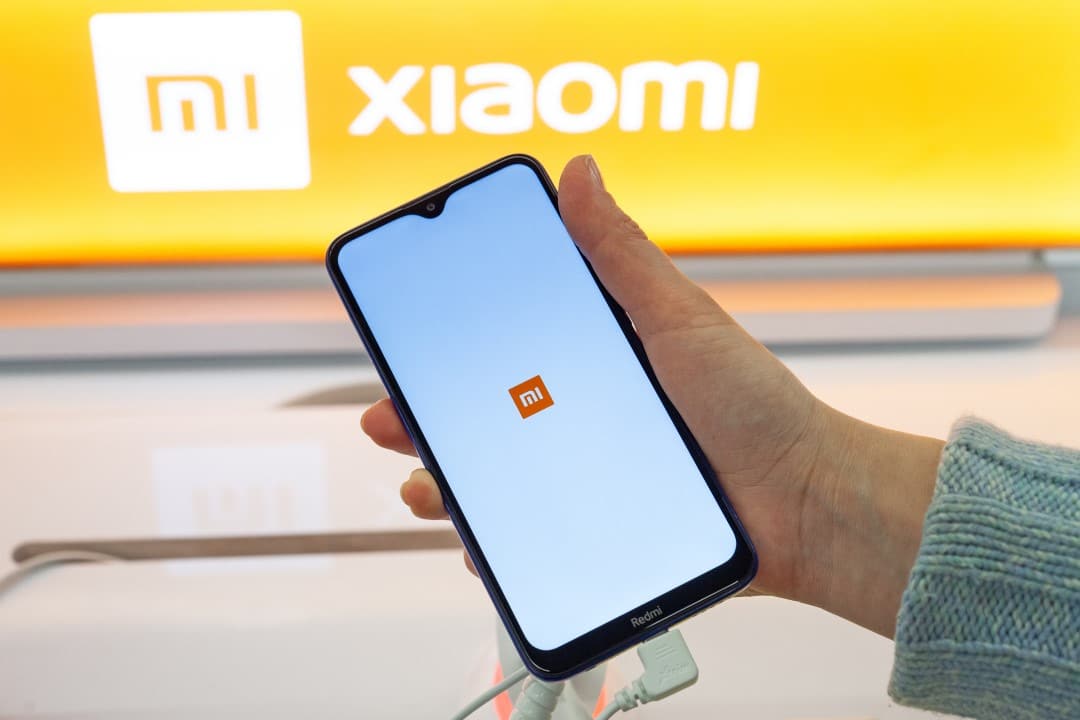
This restructuring not only affects the availability of configurations, but also the consumer’s pocket. Modelos with 512GB of storage already shows increases ranging between 400 and 500 yuan in the Chinese market, an indication that the pressure on the components is gradually being passed on. The trend signals a new reality for the smartphone market, where access to large volumes of internal storage could become a differentiator increasingly restricted to the high-end segments.
The epicenter of global shortages
The root of the current components crisis lies in the meteoric rise of generative artificial intelligence. Gigantes of technology are investing heavily in building and expanding data centers dedicated to training and operating complex language models. Essas infrastructures demand extraordinary volumes of high-speed and high-capacity memory chips, such as NAND and DRAM. Fabricantes of semiconductors, such as Samsung, SK Market Projeções indicates that AI data centers could absorb up to 70% of all global high-performance memory production in the coming years, solidifying a scenario of limited supply and inflated prices for other sectors, including consumer electronics.
Price adjustments and new market reality
As a direct consequence of the shortage of components, Xiaomi has already started implementing price adjustments for its devices. The strategy adopted by the company is to apply gradual increases, especially in versions with 512GB of storage, to avoid an abrupt shock to the consumer and maintain the perception of competitiveness. Essa dynamic pricing tactic allows the company to absorb part of the increase in production costs without completely sacrificing its profit margins. The company has also been exploring sales models with more aggressive discounts concentrated in pre-launch periods, returning to regular prices shortly after the products officially arrive in stores.
This phenomenon is not exclusive to Xiaomi and reflects a broader trend that is expected to impact the entire mobile device ecosystem. Analistas in the sector predict a moderate increase, between 5% and 8%, in the average price of smartphones in several categories over the next year. Outras fabricantes que operam no segmento intermediário premium estão enfrentando pressões semelhantes e devem adotar medidas parecidas, seja limitando as configurações de armazenamento, seja repassando os custos adicionais aos consumidores finais. The era of smartphones with robust specifications at highly competitive prices may be undergoing a reset forced by the semiconductor industry’s new priorities.
The Redmi and POCO lines in focus
Xiaomi’s decision directly affects the heart of its volume portfolio, impacting series that are extremely popular with consumers.
Recent models in the Redmi Note line, known for offering an excellent balance between cost and benefit, will no longer have the 1TB option.
Likewise, the POCO X and F series, aimed at audiences looking for performance and advanced features at affordable prices, will follow the new standard of 512GB as maximum capacity.
This standardization reaches an audience that values internal storage for games, high-resolution videos and a large volume of applications, forcing them to adapt their usage habits.
Component relocation strategy
The suspension of the 1TB variants for Redmi and POCO is part of a larger supply chain optimization strategy. The high-capacity memory chips that the company manages to acquire are now redirected to its high-end devices.
This maneuver ensures that the flagship Xiaomi series, which competes directly with flagships from other brands, continues to offer the most advanced specifications, including massive storage options, thus preserving its premium positioning.
The future of storage on mid-range smartphones
The change imposed by Xiaomi signals a transformation in what consumers can expect from the intermediate segment. The availability of 1TB of storage at affordable prices, which was beginning to become a reality, suffers a strong setback.
Consumers who require large storage space will have to turn to alternative solutions, such as more intensive use of cloud services or the use of microSD memory cards, when the device supports it.
To compensate for this limitation, manufacturers are expected to reinforce other aspects of intermediate devices, such as camera quality, processor performance and battery charging speed, seeking to maintain the attractiveness of their products.
Premium models remain untouched
While the mid-range lines adjust to the new reality, the flagship models from the Xiaomi main brand will continue to be the stronghold of maximum specifications. Aparelhos like those in the Xiaomi numbered series will maintain options of 1TB or even more.
This differentiation creates an even clearer market segmentation. Consumidores with a need or desire for extreme storage capacity will naturally be guided towards more expensive devices, reinforcing the brand’s value structure.
Consumer and industry response
The news sparked debate in online communities and technology forums, with many users lamenting the end of the high storage option in more affordable price ranges. The repercussion, however, shows an understanding that the movement is a consequence of larger market forces, especially the semiconductor industry’s prioritization of the artificial intelligence sector, affecting not only Xiaomi, but the entire consumer technology ecosystem.



