
Hyundai Creta Ultimate and BYD Song Pro compete in the SUV market with different prices and technologies


The Brazilian market for SUVs in the R$200,000 range is witnessing a fierce dispute between different engine philosophies. On one side, the consolidated Hyundai Creta Ultimate, equipped with a flex combustion engine, and on the other, the newly arrived BYD Song Pro, which bets on plug-in hybrid technology to attract consumers seeking greater energy efficiency and lower environmental impact.
This direct competition, with prices of R$199,950 for the Creta and R$199,990 for the Song Pro in its top-of-the-line version, puts buyers in front of a fundamental choice. The decision involves weighing the fuel savings and superior performance of the electrified model against the robustness, broad dealer network and more predictable maintenance costs of the traditional vehicle.
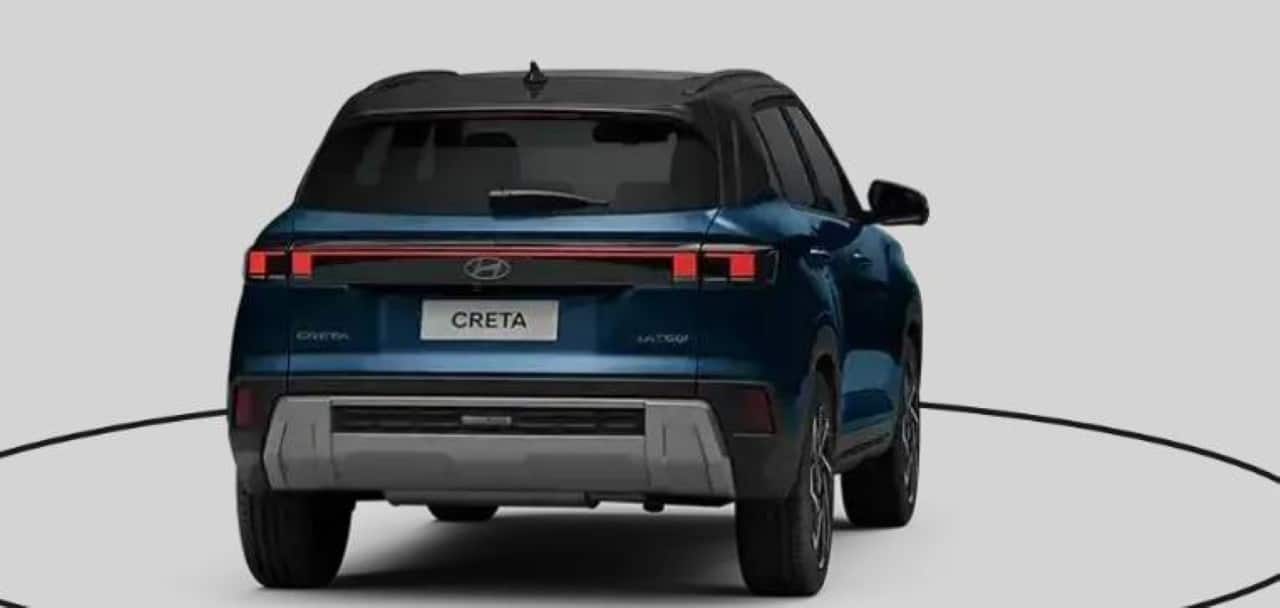
Both models are designed to meet the needs of urban families, offering a complete package of equipment, safety and comfort. Contudo, different technological approaches create very different usage profiles, influencing everything from the daily fueling or recharging routine to insurance costs and the driving experience on roads and cities.
Performance and engine in contrast
The main difference between the two SUVs lies under the hood. The BYD Juntos, they deliver a combined power of 235 hp and a robust torque of 43 kgfm, allowing the vehicle to accelerate from 0 to 100 km/h in just 7.9 seconds.
On the other hand, the Hyundai Creta Ultimate is powered by a 2.0 flex aspirated engine, which generates 167 hp of power and 20.6 kgfm of torque when fueled with ethanol. Acoplado with a six-speed automatic transmission, its performance is more restrained, completing the 0 to 100 km/h test in 10.9 seconds, a number suitable for everyday use, but noticeably lower than that of its Chinese rival.
Energy efficiency and autonomy in focus
In terms of consumption, the advantage of hybrid technology is evident. The BYD Song Pro records an average consumption of 22 km/l, an impressive number for an SUV of its size. Além In addition, its 18.3 kWh battery provides a range of up to 68 kilometers in pure electric mode, which allows many users to carry out their daily journeys without using a drop of fuel.
Fully recharging the battery can be done in approximately 3 hours using a 220V domestic socket, making electrical use very practical for those who have a garage. With a full fuel tank and a charged battery, the combined range of the Song Pro can exceed 1,100 kilometers.
The Hyundai Creta, in turn, presents more traditional consumption figures for a combustion engine. In the city, its averages are around 11.9 km/l with gasoline. Embora is a reasonable value for the category, it does not compare to the efficiency of the hybrid system, resulting in a significantly higher cost per kilometer driven.
Dimensions and internal space
The size of the vehicles also reveals important differences. The BYD Song Pro is classified as a medium SUV, measuring 4.74 meters long and with a generous wheelbase of 2.71 meters. Essas measurements translate into a wider interior space, especially for rear seat passengers, who enjoy more legroom.
The trunk of the Chinese model also stands out, with a capacity of 520 liters. Essa advantage is partially explained by the absence of a traditional spare tire, which has been replaced by a tire repair kit, an increasingly common solution in electrified vehicles.
The Hyundai Creta is a compact SUV, measuring 4.33 meters in length and 2.61 meters in wheelbase. Apesar is smaller, its interior is well designed and comfortably accommodates four adults, but legroom in the rear seat is more limited in direct comparison with its rival.
The Creta’s trunk, with 422 liters, is adequate for the compact category, but falls short of that offered by the Song Pro. The Hyundai model, however, makes up for it with comfort items such as a panoramic sunroof and reclining rear seats in the Ultimate version, which increase the feeling of well-being on board.
Technology and safety equipment
In the field of embedded technology, the dispute is balanced, with each model betting on different strengths. The BYD Song Pro impresses with its 15.5-inch rotating multimedia center, which dominates the dashboard and offers wireless connectivity. The equipment package also includes full LED headlights, electric trunk opening, induction cell phone charger and a PM 2.5 air filter, which improves air quality in the cabin. However, the model lacks advanced driving assistants, such as automatic emergency braking and frontal collision warning, with only six airbags and hill descent assistant.
The Hyundai Creta Ultimate responds with a much more robust and complete active security package. Ele comes standard with adaptive cruise control, lane keeping system, blind spot monitoring and autonomous emergency braking. The multimedia center has a 10.25-inch screen, compatible with Apple CarPlay and Android Auto, and the instrument panel is also digital. Embora its central screen is smaller, the Hyundai’s focus on driver assistance technologies represents a crucial differentiator for those who prioritize safety on the road.
Maintenance costs, insurance and dealer network
Analysis of long-term ownership costs is essential in the purchasing decision. The BYD A six-year vehicle warranty, with eight-year battery and engine coverage, provides peace of mind. Contudo, the cost of insurance tends to be higher, and as it is a model with many imported parts, any repairs outside the warranty may have a higher value. BYD’s network, although rapidly expanding, still has around 150 stores, a lower number than established brands. Já o Hyundai Creta benefits from the capillarity of a network with more than 200 dealerships across the country, which facilitates access to parts and maintenance services. The overhaul packages have fixed and competitive prices, and the insurance cost is usually, on average, lower than that of the hybrid rival. The five-year unlimited mileage warranty is also a strong point, conveying confidence in the durability of the mechanical set.
Market positioning
The arrival of models like the BYD Song Pro is redefining the SUV landscape in the Brasil. The model has recorded significant sales numbers in the hybrid segment, driven by the combination of technology, performance and efficiency, in addition to local production at the Camaçari factory, at Bahia. The offensive Essa puts pressure on traditional models like the Hyundai Creta, which, despite maintaining its leadership position with tens of thousands of units sold annually, needs to adapt to a consumer increasingly interested in the advantages of electrification.



