
Leaked Capcom technical details reveal Monster Hunter Wilds optimization for Switch successor


New unofficial information about the highly anticipated game Monster Hunter Wilds, by Capcom, has emerged on international forums, indicating that the developer is already working on an optimized version for the successor to Nintendo Switch. The alleged leak details the technical strategies that would be implemented to ensure that the title, known for its graphical complexity, operates smoothly on the new Nintendo hardware, which has not yet been officially announced.
The documents, whose veracity has not been confirmed, point to a concentrated effort to adapt RE Engine, Capcom’s proprietary graphics engine, to the specifications of the future console. The initiative aims to balance visual quality with stable performance, a considerable challenge given the game’s ambitious scope, which promises dynamic ecosystems and a scale unprecedented in the franchise. The existence of a console version of Nintendo was not mentioned during the game’s official announcement, which confirmed the release for PlayStation 5, Xbox Series X|S and PC.
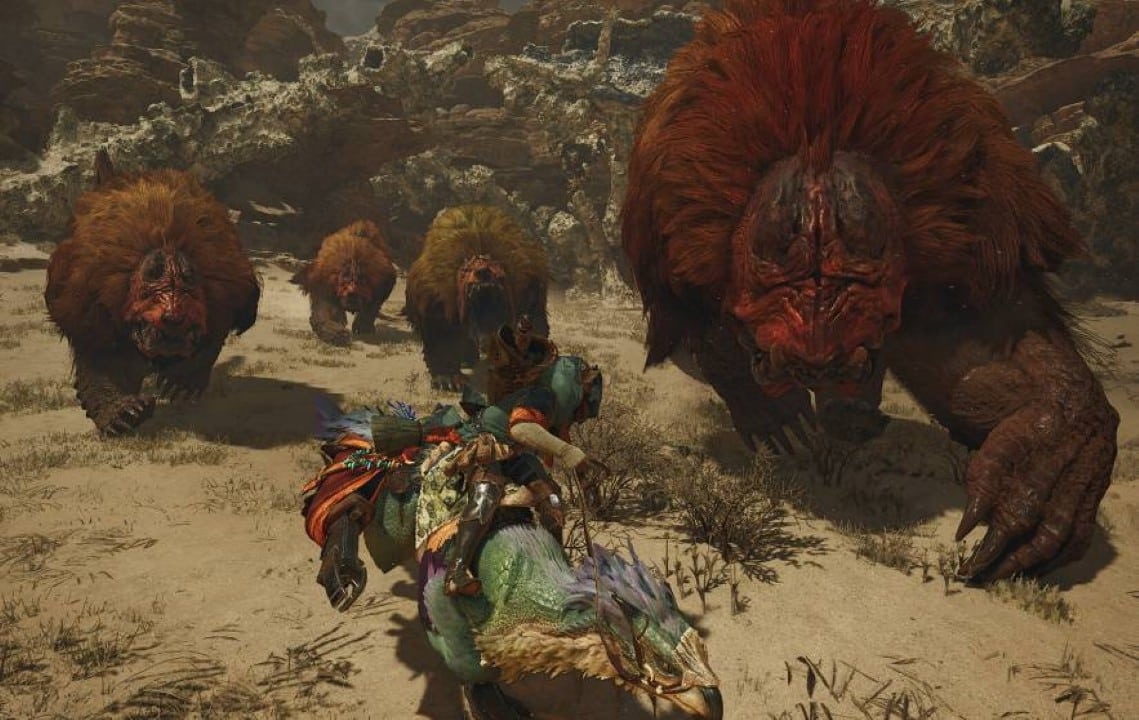
This move, if confirmed, reinforces rumors about the processing capacity of the new Nintendo console, suggesting that it will be capable of running adapted versions of major releases on other platforms. Para fans of the franchise and future owners of the console, the news represents the possibility of accessing one of the most anticipated titles of the generation in a portable format, maintaining the series’ tradition of success in Nintendo video games.
The focus of the leak is on the software solutions that Capcom would be developing to overcome hardware limitations compared to more powerful desktop consoles. The techniques described are consistent with optimization practices used in the industry to adapt complex games to different systems, which provides a degree of plausibility to the information circulating online.
Optimization Techniques Revealed
Among the technical details mentioned in the leaked material, the implementation of a feature called “FastLoadMode” stands out. Essa functionality would be primarily aimed at drastically reducing loading times, allowing for a smoother transition between the vast areas of the game’s map. The technology would work to intelligently preload assets, ensuring that the player experience is not interrupted by long waiting screens, a crucial element for an open-world game.
Another detailed technique is the use of a dynamic system of Nível of Detalhe (LOD). Essa approach allows the graphics engine to automatically adjust the complexity of 3D models and textures based on distance from the player. Distant Objetos are rendered with less polygons and detail, saving processing resources, while elements close to the camera are displayed in high quality. Essa optimization is critical to maintaining a stable frames per second rate without sacrificing visual immersion.
The leak also points to the use of “Occlusion Culling”, a technique that prevents the graphics processor from rendering objects that are hidden behind other elements in the scene, such as a mountain or a large structure. By avoiding the processing of elements invisible to the player, the system frees up significant processing capacity, which can be reallocated to improve other graphical aspects or guarantee the fluidity of the game.
These three techniques, when combined, form a robust strategy for a visually demanding game like Monster Hunter Wilds to run on hardware with potentially more modest specs. The approach demonstrates careful planning on the part of Capcom to expand the reach of its flagship release, including Nintendo’s player base.
RE Engine’s proven scalability
The Capcom graphics engine, RE Engine, is the central pillar that makes this adaptation possible. Desde made its debut with Resident Evil 7, the engine demonstrated remarkable flexibility, being able to operate on a wide range of platforms, from high-performance PCs to the original Nintendo Switch. Títulos like Monster Hunter Rise are a testament to this versatility, delivering a visually rich and solidly performing experience on the Nintendo hybrid console, a technical feat lauded at the time of its release.
The architecture of RE Isso means the team can create a version of Monster Hunter Wilds that takes full advantage of the Switch successor’s hardware, without having to rebuild the game from scratch. The experience gained with previous titles for the Nintendo platform gives Capcom a significant advantage in this optimization process, allowing for more efficient development and more polished results.
Expected performance on the new console
According to the leaked information, the performance of Monster Hunter Wilds on the successor to Switch would be comparable to the “low” to “medium” settings of the PC version. Essa estimate, although unofficial, offers a parameter on what players can expect in terms of graphical quality and fluidity.
This suggests that while there may be compromises in areas like texture resolution and shadow complexity, the core gaming experience would be preserved. The aim would be to achieve a stable frame rate, likely 30 frames per second, to ensure that the agile and responsive gameplay, a hallmark of the series, is not compromised.
For the public, this parity with PC input configurations is a positive indication, signaling that the new Nintendo console will have a considerable leap in power compared to its predecessor, bringing it closer to more modern performance standards and enabling the arrival of more multiplatform games.
The nature of leaks in the industry
It is essential to contextualize that information leaks are common in the gaming industry, but should be treated as rumors until official confirmation. Muitas times, the data released may come from old development versions, prototypes, or internal documents that do not reflect the final product plan. Capcom, following standard industry practice, has not issued any official statement on the matter, keeping its development plans confidential. Da Likewise, Nintendo remains silent on the specifications and release date of its next console. However, the consistency and technical nature of the details provided in the alleged Monster Hunter Wilds leak have caught the attention of analysts and fans alike, as the optimization techniques described are logical and in line with the challenges of porting a large-scale game to more compact hardware. The discussion generated around the topic serves to increase expectations for both the game and the new console, but final confirmation will depend on future announcements by the companies involved.
Implications for the launch of the successor to Switch
The potential inclusion of Monster Hunter Wilds in the launch catalog or first window of games for Switch’s successor would have a significant impact. The presence of a title with great global appeal developed by an important partner like Capcom would strengthen the image of the new console before the public and the market.
This would signal not only the technical capability of the hardware, but also the strong support of external developers, a crucial factor in the success of any video game platform. Confirmation of such a project would validate Nintendo’s strategy of offering an ecosystem that attracts both its iconic exclusives and biggest multiplatform hits.
What is dynamic resolution system
One of the most effective tools for optimization on consoles is dynamic resolution. Essa technique allows the game to adjust image resolution in real time to keep the frames per second rate stable. In intense action scenes, with many visual effects, the resolution can be slightly reduced to alleviate the load on the graphics processor, returning to its maximum value in moments of less demand, thus ensuring a smooth gaming experience.



