
Luxury market has a new leader with Volvo EX30 surpassing rivals and Denza makes a strong debut in the ranking


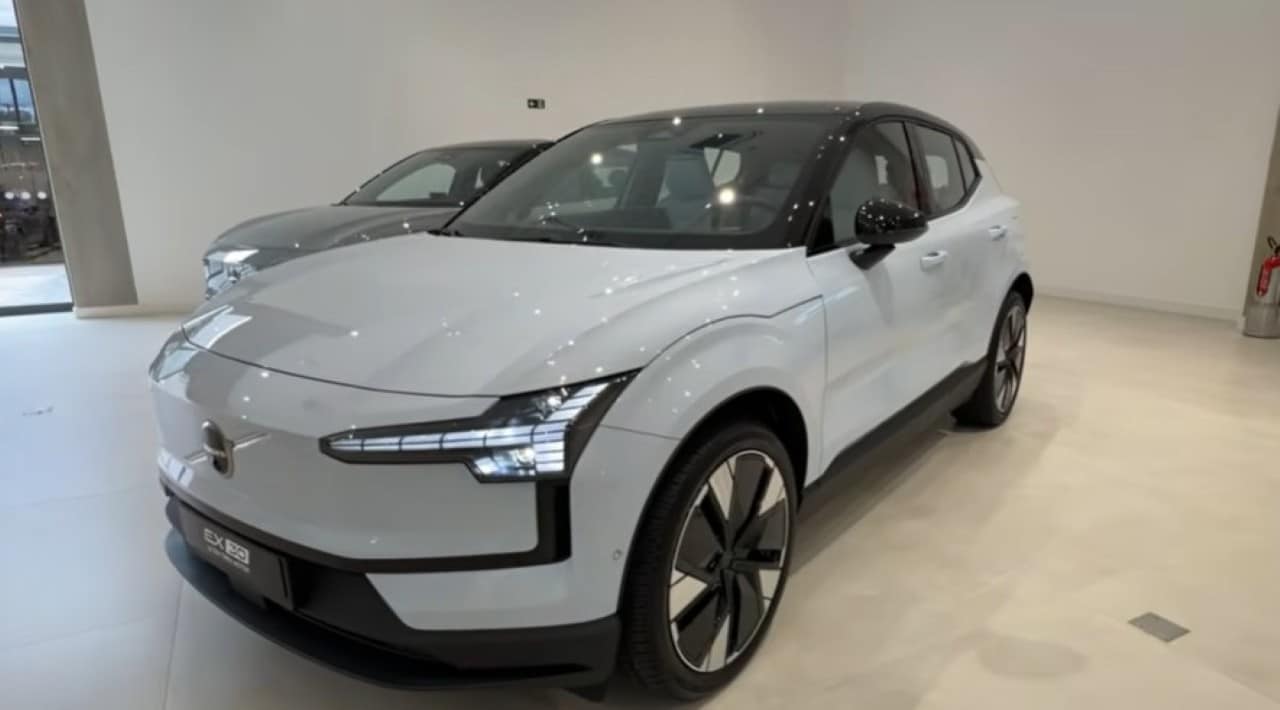
The premium vehicle landscape in the Brasil registered a notable change in January 2026, with the Volvo EX30 taking the lead in registrations for the first time. The Swedish brand’s electric model reached 285 licensed units, surpassing traditional competitors by a narrow margin and signaling a new dynamic in the high-end sector. The period was also marked by the significant debut of Denza, BYD’s luxury division, which positioned its B5 SUV directly among the ten best-selling vehicles in the country.
The fierce competition was one of the highlights of the month, with only nine units separating first from second place. Essa proximity demonstrates the intensity of the dispute between automakers, who invest in technology, design and electrified engines to attract the Brazilian consumer. The performance of the models reflects both the consolidation of European brands and the rise of new forces in the national market.
January’s numbers reveal a market in transformation, where electrification is gaining more and more relevance. The arrival of new players, such as the Denza, and the success of vehicles such as the EX30 indicate a reconfiguration of consumer preferences, which now values attributes of sustainability and technological innovation alongside luxury and performance.
Electrical advancement and new leadership
The performance of the Volvo EX30 was the main protagonist at the beginning of the year. The electric compact SUV not only took the top spot in the model rankings, but also boosted Volvo’s overall results. The Swedish brand consolidated its second position among premium manufacturers, adding a total of 719 registrations in the period.
The success of the EX30 is attributed to the combination of modern design, onboard technology and an efficient powertrain. The recent update to the range, with the introduction of a version with two engines, broadened the vehicle’s appeal to a public that seeks high performance without compromising sustainability, a growing trend in the luxury segment.
BMW demonstrates consistency and volume
Despite having lost first place in the model ranking, BMW maintained its sovereignty as the best-selling premium brand in the Brasil. With a total of 960 units registered in January, the German manufacturer demonstrated the strength and depth of its portfolio. The company managed to position three of its vehicles among the five best-selling vehicles of the month.
The BMW X1 was very close to the lead, with 276 licenses, confirming its status as one of the public’s favorite SUVs. Sua The combination of space, refined finishing and several engine options continues to be a major attraction. Logo followed by the BMW Série 3 sedan, with 250 units, and the BMW X3 SUV, with 180 units, completed the brand’s strong presence at the top of the list, demonstrating a successful commercial strategy that covers different consumer profiles.
Denza’s impactful debut at Brasil
The arrival of Denza, a luxury brand belonging to the Chinese giant BYD, shook the national market. In its first full month of sales, the Denza B5 SUV recorded 130 registrations, securing eighth position in the overall ranking. Esse result is considered a notable achievement for a newly launched brand in such a competitive segment.
The B5 model stands out for its proposal that combines a sophisticated and technological interior with robust off-road capability, attracting an audience looking for versatility. The initial performance of Denza exceeds expectations and serves as a strong indication of the potential acceptance of high-end Asian brands in the Brasil. The company is already planning to expand its portfolio to consolidate its presence in the country.
The detailed ranking of the top 10
The list of best-selling premium vehicles in January 2026 was led by the Volvo EX30, with 285 units. The second position was occupied by the BMW X1, with 276 units, followed closely by the Volvo XC60, which secured third place with 258 registered units, showing the strength of the Swedish brand in the SUV segment.
From fourth to seventh position, the competition remained fierce. The BMW Série 3 reached 250 units, consolidating itself as the best-selling premium sedan. The BMW X3 registered 180 units, followed by the Audi Q5, with 161 units, and the iconic sports car Porsche 911, which totaled 142 licensed units in the period.
Closing the list of the top ten, the newcomer Denza B5 appeared in eighth place with 130 units. The robust Land Rover Defender came in ninth place, with 103 units, while the Porsche Cayenne ended the ranking in tenth position, with 99 units sold.
Performance of other traditional brands
The Porsche maintained its solid presence in the high-performance market, with two models being among the best-selling and a total of 365 units registered as a brand. The Audi, in turn, had its main representative in the Q5, with the new generation SUV boosting the German manufacturer’s results in the country.
Meanwhile, Mercedes-Benz, despite not placing any individual model in the top 10, demonstrated consistent sales volume. The brand occupied third place in the general ranking of manufacturers, with 504 units sold, which indicates a more dispersed sales distribution among the various vehicles in its wide range available on the Brazilian market.
Competitive landscape and industry trends
The panorama of the luxury vehicle market at Brasil in January 2026 solidifies the energy transition as a decisive competitiveness factor. The leadership of a 100% electric model like the Volvo EX30 is not an isolated fact, but rather a reflection of a paradigm shift in consumer behavior, which seeks to combine status and performance with environmental responsibility. The fierce competition, with minimal margins separating the leaders, indicates that continuous innovation will be crucial for maintaining and gaining positions. The successful debut of the Denza, in turn, breaks the historical hegemony of European brands and opens a new chapter in competition, forcing traditional automakers to reevaluate their strategies in the face of the arrival of Asian competitors with strong technological appeal and aggressive value propositions. Este new environment suggests a dynamic future, where the ability to adapt to new demands for electrification, connectivity and design will be fundamental to success.
Other strong competitors
Land Rover Defender reaffirmed its specific niche in the market by securing ninth position. The model continues to attract consumers who value its iconic design and its unrivaled ability to tackle any type of terrain, remaining a reference in the robust luxury utility vehicle segment.



